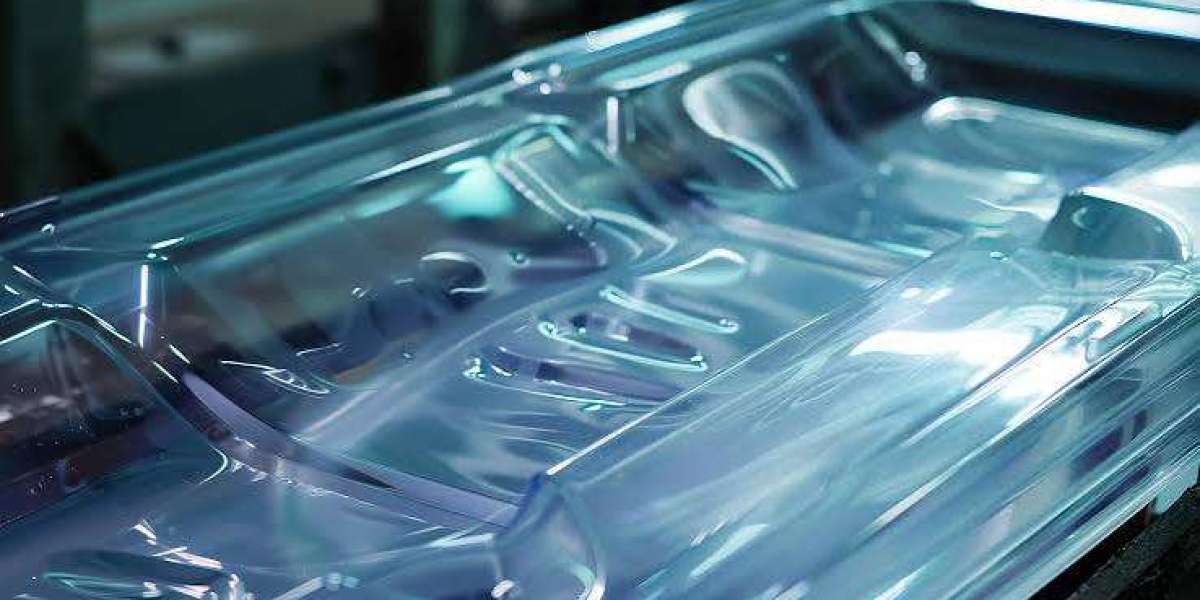
Product design is about more than creating an attractive appearance. A successful product must be practical, durable, lightweight, and affordable to manufacture. Businesses across industries are constantly looking for ways to improve product performance while keeping production costs under control. Advanced plastic thermoforming has become a useful manufacturing method for meeting these needs, offering flexibility in design, material selection, and production.
From packaging and automotive components to medical equipment housings and industrial trays, thermoformed plastic products are used in many everyday applications. The technology allows manufacturers to transform flat plastic sheets into functional shapes that meet specific product requirements. With careful planning and the right manufacturing expertise, plastic thermoforming can help businesses turn design concepts into reliable finished products.
Understanding Advanced Plastic Thermoforming
Plastic thermoforming is a manufacturing process in which a thermoplastic sheet is heated until it becomes flexible. The softened sheet is then shaped over or into a mold using vacuum pressure, air pressure, or mechanical force. After cooling, the formed part is trimmed and finished according to the product's specifications.
Modern thermoforming technology offers improved control over heating, forming pressure, and cooling. These improvements help manufacturers achieve more consistent shapes and better surface finishes while supporting a wide range of product designs.
Unlike manufacturing methods that require material to flow through complex mold cavities, thermoforming starts with a plastic sheet. This approach can be particularly useful for products with large surface areas, curved profiles, protective covers, and relatively thin walls. Depending on the application, designers can choose from different plastics to achieve the desired balance of strength, flexibility, appearance, and cost.
1. Greater Freedom in Product Design
One of the biggest advantages of advanced plastic thermoforming is the flexibility it offers during product development. Designers can create curved surfaces, rounded corners, recessed areas, and custom contours without relying on overly complicated tooling.
This flexibility is valuable when developing products that must fit around existing equipment or accommodate specific components. For example, a manufacturer designing a protective equipment cover can use thermoforming to create a shape that follows the dimensions of the machine while allowing sufficient space for ventilation, access, and maintenance.
Thermoforming also supports the development of custom packaging, display components, equipment enclosures, and interior panels. By considering the forming process during the design stage, businesses can create products that balance appearance with practical manufacturing requirements.
2. Lightweight Products Without Unnecessary Bulk
Weight is an important consideration in many industries. Heavy components can increase transportation expenses, complicate installation, and make products less convenient to handle.
Advanced thermoforming allows designers to create lightweight plastic components with carefully planned wall thicknesses and structural features. Depending on the material and design, manufacturers can produce parts that provide the necessary rigidity without adding unnecessary weight.
For example, storage trays, protective housings, and automotive interior components can be designed to remain lightweight while meeting their intended performance requirements. Reducing weight can also make products easier to transport, assemble, and use.
However, lightweight construction should never come at the expense of product performance. Wall thickness, material selection, forming depth, and reinforcement features must be evaluated according to the component's intended use.
3. More Efficient Prototyping and Product Development
Product development often involves several rounds of design changes before a final version is ready for production. Manufacturers need a practical way to test dimensions, fit, appearance, and usability without committing to expensive tooling too early.
Thermoforming can support this process because certain applications can use relatively economical tooling compared with more complex mold systems. This may make it easier to produce trial components, assess design improvements, and identify potential problems before moving into larger production runs.
For instance, a company developing a custom plastic enclosure can evaluate its size, shape, mounting points, and accessibility before approving the final design. Feedback from these trials can then guide adjustments to the mold and product specifications.
Early testing helps reduce the risk of costly redesigns later. It also encourages better communication between product designers, engineers, and manufacturing teams.
4. Better Material Selection for Different Applications
The material used in a plastic product affects its durability, appearance, flexibility, and resistance to environmental conditions. Advanced thermoforming supports the use of different thermoplastic materials, depending on the requirements of the application.
Some products require impact resistance, while others need transparency, chemical resistance, or improved performance under changing temperatures. Packaging components may prioritize appearance and protection, whereas industrial covers may require greater rigidity and durability.
Selecting the right material requires an understanding of the product's operating environment, expected lifespan, and relevant industry requirements. Manufacturers must also consider how a material behaves during heating and forming.
By matching material properties with product requirements, businesses can avoid unnecessary material costs and improve the reliability of the finished component.
5. Cost-Effective Manufacturing for Custom Products
Manufacturing costs influence almost every product development decision. Tooling expenses, material usage, labor, production time, and finishing requirements all contribute to the final price.
Thermoforming can be an economical option for many large, thin-walled, or customized plastic components. In suitable applications, the tooling can be less complex than that required for injection molding, making thermoforming attractive for prototypes, specialized products, and certain medium-volume production runs.
However, the most suitable manufacturing method depends on the design and expected production quantity. Plastic injection molding manufacturing may be more economical for high-volume production of small, detailed components, particularly when repeatability and complex molded features are important. Thermoforming may be better suited to larger parts and designs that can be formed effectively from plastic sheets.
Comparing these processes early helps businesses select a solution that meets their design goals and budget.
6. Supporting Diverse Industries and Applications
The versatility of thermoforming makes it suitable for a broad range of industries. In packaging, it is used to create trays, protective inserts, and product holders. In automotive manufacturing, it can support the production of interior panels, covers, and selected trim components.
Medical and laboratory environments may use thermoformed trays and protective packaging designed around specific equipment or products. Industrial businesses can also benefit from custom machine covers, storage compartments, and component housings.
Companies exploring plastic thermoforming Thailand may be evaluating regional manufacturing options for customized plastic parts, packaging, and industrial applications. When comparing suppliers, it is important to review their material capabilities, tooling experience, quality control processes, production capacity, and ability to meet delivery requirements.
The right manufacturing partner should understand both the intended function of the product and the practical requirements of producing it consistently.
7. Improving Product Quality Through Modern Technology
Advances in thermoforming equipment have made process control an increasingly important part of product manufacturing. Consistent sheet heating, controlled forming conditions, and suitable cooling methods can help reduce variations between finished components.
Good mold design also contributes to product quality. Designers must account for material stretching, draft angles, wall thickness distribution, and the ease of removing the formed part from the mold.
When these factors are considered together, manufacturers can reduce common issues such as uneven thickness, warping, surface imperfections, and dimensional inconsistencies.
Quality inspections remain essential. Depending on the application, they may include checking measurements, examining surface finishes, assessing fit, and testing the product under expected operating conditions. These steps help ensure that the finished part meets the agreed specifications.
8. Designing with Sustainability in Mind
Sustainability is becoming an important consideration in product design. Businesses are increasingly interested in reducing waste, improving material efficiency, and selecting materials that support their environmental objectives.
Thermoforming projects can incorporate these considerations through efficient sheet layouts, careful trimming strategies, appropriate material selection, and designs that avoid unnecessary thickness or excess material.
Where technically and legally suitable, recyclable thermoplastics may also be considered. However, recyclability depends on the material composition, additives, product design, available collection systems, and local recycling infrastructure.
Manufacturers should evaluate sustainability goals alongside product safety, durability, and performance. A well-designed component should use resources responsibly while remaining suitable for its intended application.
9. Choosing the Right Plastic Manufacturing Partner
Even a well-planned design depends on the manufacturer's ability to produce it accurately. Choosing a suitable plastic production factory involves more than comparing prices.
Businesses should look for manufacturing partners with relevant project experience, appropriate equipment, reliable quality procedures, and clear communication. It is also helpful to discuss design feasibility, material options, tooling costs, production quantities, and finishing requirements before starting a project.
An experienced supplier can identify potential problems early and recommend practical adjustments that improve manufacturability. These suggestions may involve changing a corner radius, adjusting wall thickness, modifying a forming depth, or simplifying a feature that adds cost without improving functionality.
Working collaboratively with a manufacturer helps designers make informed decisions and reduces the likelihood of unexpected production issues.
Conclusion
Advanced plastic thermoforming offers valuable opportunities to improve product design by combining creative flexibility with practical manufacturing considerations. It can support lightweight construction, customized shapes, efficient prototyping, and cost-conscious production for many types of plastic components.
The best results come from considering manufacturing requirements at the beginning of the design process. Material selection, mold design, product geometry, quality control, and production volume all influence the final outcome.
Whether a business is developing packaging, industrial housings, automotive components, or specialized equipment parts, choosing suitable plastic solutions can make a meaningful difference to product quality and overall manufacturing efficiency.
By evaluating thermoforming alongside alternatives such as injection molding and working with an experienced manufacturing partner, businesses can develop products that meet functional requirements, suit their budgets, and remain practical to manufacture at scale.