A well-organized kitchen depends on small habits that make everyday tasks easier. Keeping ingredients accessible, storing dishes properly, and preparing the dining area before meals can save time throughout the week. Choosing the right cloth napkins can support that routine by giving you a reusable option for everyday dining.
The most useful napkins are not necessarily the most decorative ones. They should fit your household's eating habits, work with your laundry routine, and remain easy to find when a meal is ready.
Whether you live alone, share a home with roommates, or prepare meals for a family, a practical napkin collection can help simplify daily dining without adding unnecessary steps.
Choose Napkins for the Way You Actually Eat
Before buying napkins, consider how meals usually happen in your home. You may eat breakfast at the kitchen island, have lunch at a desk, or sit down together for dinner.
These habits affect where napkins should be stored and how many you need. If most meals take place in one area, keep your everyday supply nearby. If household members eat at different times, choose a location everyone can access easily.
There is no need to create a separate napkin arrangement for every meal. A versatile collection can work for breakfast, lunch, dinner, and snacks.
Start with the situations you encounter most often, then add specialized designs only if you discover a genuine need for them.
Select Fabric That Fits Your Maintenance Routine
Fabric influences the texture, appearance, and care requirements of napkins. Choosing a material that works with your regular laundry habits can make reusable dining items easier to maintain.
Cotton napkins are a familiar option for everyday meals. They can be used across different dining situations and are available in a wide range of colors and designs.
Linen napkins offer a more textured appearance that may suit a kitchen with natural materials, neutral colors, or simple dinnerware.
Neither fabric automatically requires the same care in every product. Construction, fiber composition, and finishing can affect maintenance, so review the product details before purchasing.
Choose napkins that you can wash and prepare again without making your household routine more complicated.
Keep an Appropriate Number of Napkins Available
Running short of clean napkins can make reusable options inconvenient. On the other hand, buying more than you need can take up valuable drawer space.
Estimate how many napkins your household uses during a typical day. Include regular meals and consider whether anyone frequently eats at home between breakfast and dinner.
Next, think about how often you do laundry. A household that washes textiles frequently may need a smaller collection than one that waits several days between loads.
For example, a family of four might begin with enough napkins for several meals, plus a few extras for guests and unexpected needs.
Check the quantity included in each product set before ordering. You can always expand your collection once you understand your actual usage.
Choose Colors That Make Everyday Use Simple
A practical kitchen collection should coordinate with your existing dinnerware without requiring much thought each time you set the table.
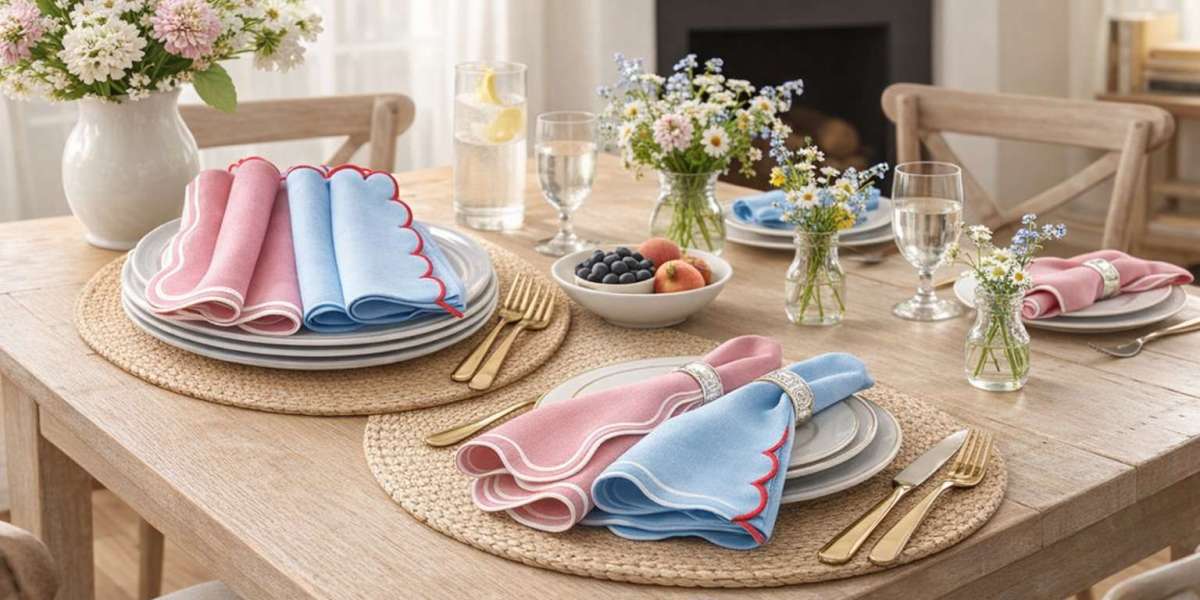
Neutral colors such as white, beige, gray, and soft brown are easy to combine with many plates and bowls. If you prefer more color, choose a small group of complementary shades that work together.
Patterns can be useful when you want a little variety. Simple stripes or checks can add interest without limiting the napkins to a single table setting.
You might keep lighter colors for everyday meals and use a darker shade when serving foods that are likely to leave visible marks. However, all napkins should be cleaned according to their care instructions, regardless of color.
The aim is to create a collection that is easy to use with the items you already own.
Store Napkins Where You Need Them
Storage location can determine whether you remember to use your napkins regularly. If they are kept in a cupboard far from the dining area, reaching for them may become an extra step.
Choose a convenient drawer, shelf, or basket near where meals are served. Make sure the storage area is dry and separate from damp cleaning cloths.
Fold napkins consistently so you can see the available colors and take one without disturbing the entire stack.
If you have decorative napkins for special occasions, store them separately from the pieces you use every day. This keeps the main collection practical while protecting less frequently used items from unnecessary handling.
A simple storage arrangement can make reusable napkins part of your routine without requiring a dedicated cabinet.
Keep Dining Napkins Separate From Cleaning Cloths
One important kitchen habit is keeping dining textiles separate from cloths used for wiping counters or cleaning spills.
Dinner napkins are intended for use at the table, while cleaning cloths have different purposes. Storing them separately makes it easier for everyone in the household to choose the correct item.
You can use separate drawers, labeled containers, or different shelves to maintain this distinction. If space is limited, separate compartments within one storage area can also work.
After use, place dining napkins in a designated laundry collection point rather than returning them to the clean stack.
These small habits help maintain an organized kitchen and reduce confusion when several people share household responsibilities.
Build a Laundry Routine You Can Maintain
Reusable napkins are easiest to manage when washing them becomes part of your regular schedule.
Keep used pieces separate from clean ones. Avoid leaving damp or heavily soiled napkins crumpled in a closed container for extended periods, and follow the manufacturer's washing and drying instructions.
You can decide whether to wash napkins alongside other suitable laundry or collect enough pieces for a separate load. The right approach depends on the size of your collection and the fabric's care requirements.
Once the napkins are completely dry, fold them and return them to their designated storage location.
If the collection becomes difficult to maintain, review your habits before buying more. You may need a different storage spot, a larger supply, or a simpler laundry schedule.
Make Room for Guests Without Overbuying
Even a kitchen designed around everyday meals may occasionally need to accommodate visitors. Keeping a few additional napkins available can help you prepare for guests without maintaining an oversized collection.
Choose extra pieces that coordinate with your regular napkins. This allows you to combine the sets when additional people join a meal.
If you host frequently, dinner napkins in a versatile color can work for both family meals and casual gatherings.
Custom napkins may be useful for celebrations or events where a personalized design adds meaning, but they are not essential for an everyday kitchen routine.
Focus first on having enough practical napkins for normal use. Add decorative options when they serve a clear purpose.
Review Your Collection From Time to Time
Household routines change. You may start cooking at home more often, move to a larger space, or begin hosting more frequently.
Every few months, check whether you have enough clean napkins and whether the current colors and sizes still suit your needs. Remove damaged pieces from regular use and replace them when necessary.
If you are considering new products from All Cotton and Linen, compare fabric composition, dimensions, pack quantity, and care instructions before choosing a set.
A small review can help you maintain a collection that remains useful instead of gradually filling drawers with items you rarely reach for.
Final Thoughts
A practical kitchen routine relies on everyday essentials that are easy to use, store, and maintain. Cloth napkins can support that routine when the fabric, quantity, and storage arrangement fit your household's needs.
Cotton napkins offer a versatile option for regular meals, while Linen napkins bring a different texture to the table. Custom napkins can provide a personal detail for occasional celebrations.
Choose a manageable collection, keep dining napkins separate from cleaning cloths, and establish a laundry routine that works for your home. When exploring All Cotton and Linen, use the product details to find options that fit your everyday habits without adding unnecessary complexity.