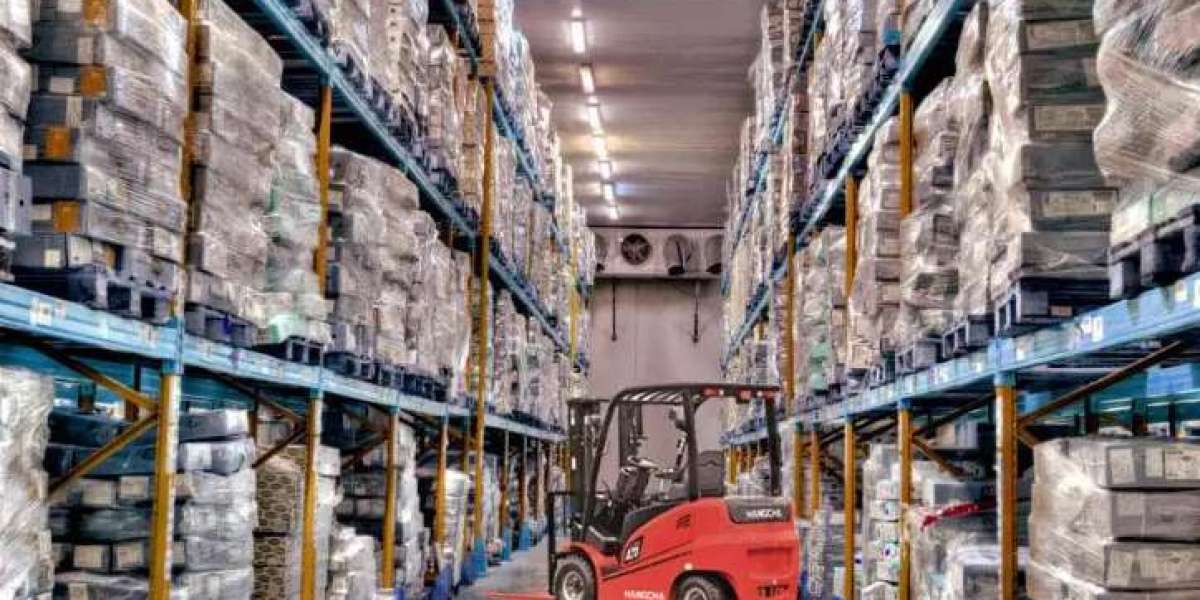
In manufacturing, storage is no longer just about “where to put inventory.” It’s a profitability driver. The way you store raw materials, finished goods, or temperature-sensitive products directly impacts shrinkage, compliance, energy costs, and customer satisfaction.
Across Southeast Asia—especially in tropical markets like the Philippines—logistics complexity is rising. Climate volatility, export regulations, and stricter quality standards mean storage decisions carry more weight than ever.
This brings us to a common but critical dilemma: dry vs cold storage. Choose correctly, and you protect margins. Choose incorrectly, and you risk product spoilage, regulatory penalties, and inflated operating expenses.
As a logistics service provider working closely with manufacturers, we’ve seen how the right storage strategy can strengthen supply chains—and how the wrong one quietly erodes profits.
Let’s break it down clearly.
What Is Dry Storage?
Dry storage refers to warehousing in a clean, well-ventilated environment with controlled—but not refrigerated—conditions. Temperatures typically range between 20–25°C, depending on facility design and product requirements.
It’s ideal for:
- Raw materials
- Packaging supplies
- Electronics and hardware
- Construction materials
- Non-perishable chemicals
For many manufacturers, dry storage offers strong cost efficiency. Infrastructure requirements are simpler. Energy consumption is significantly lower compared to refrigerated environments. It’s also easier to scale, making it suitable for high-volume inventory or production surges.
If your products are stable under ambient conditions and not humidity-sensitive, dry storage is often the most economical and operationally flexible choice.
What Is Cold Storage?
Cold storage facilities are temperature-controlled environments designed to maintain product integrity within strict ranges—typically from -25°C to 15°C, depending on the commodity.
Industries that rely heavily on cold storage include:
- Food processing and distribution
- Pharmaceutical manufacturing
- Cosmetics production
- Agricultural exports
These sectors operate under strict regulatory frameworks, including standards set by agencies like the Food and Drug Administration and the World Health Organization for pharmaceuticals and food safety compliance.
Cold storage isn’t optional in these industries—it’s a compliance requirement. Temperature monitoring systems, backup power supplies, and audit-ready documentation are standard. Failure to maintain consistent temperatures can result in rejected shipments, recalls, or legal penalties.
In short, cold storage protects product safety, brand integrity, and regulatory standing.
Dry vs Cold Storage — Cost Comparison
From a financial standpoint, the gap between dry and cold storage is significant.
Capital Expenditure (CapEx):
Cold storage facilities require insulated panels, refrigeration systems, humidity controls, and backup generators. Construction costs can be two to three times higher than standard dry warehouses.
Operating Costs:
Energy is the biggest differentiator. Refrigeration systems run 24/7. Add to that temperature monitoring technology and skilled personnel to manage compliance. Dry storage, by contrast, consumes far less electricity and requires simpler monitoring.
Inventory Insurance:
Cold-stored goods often carry higher insurance premiums due to spoilage risks. A single refrigeration failure can mean massive inventory loss.
Here’s a simplified cost-risk perspective:
- Dry Storage: Lower operating cost, lower energy demand, lower compliance risk (for stable goods).
- Cold Storage: Higher cost, higher energy dependency, but essential risk protection for perishable or regulated products.
The decision isn’t just about expense—it’s about risk exposure.
Risk Factors Manufacturers Must Consider
Before choosing between dry vs cold storage, manufacturing leaders should evaluate several critical risk factors.
- Product Shelf Life
How quickly does your product degrade? Even minor temperature fluctuations can shorten shelf life in food, pharma, and cosmetic products. - Humidity Sensitivity
In tropical regions like the Philippines, high humidity can damage packaging, corrode metals, and compromise electronics. Even dry storage facilities may require humidity control systems. - Geographic Climate
Southeast Asia’s climate presents year-round heat and moisture challenges. What works in temperate regions may fail in tropical environments without climate-adaptive design. - Supply Chain Volatility
Port congestion, shipping delays, and customs processing slowdowns increase dwell time. The longer goods sit in storage, the higher the risk if environmental conditions are not optimized.
Storage is not an isolated decision—it’s deeply connected to supply chain resilience.
When Hybrid Storage Solutions Make Sense
For many modern manufacturers, the answer isn’t strictly dry or cold—it’s both.
Hybrid storage models work best for:
- Manufacturers handling mixed inventory
- Export-oriented operations
- Centralized warehousing strategies serving multiple product lines
For example, a food manufacturer may store packaging materials in dry zones while keeping raw ingredients in chilled environments—all within one integrated facility.
Hybrid solutions reduce fragmentation, improve inventory visibility, and optimize cost allocation per SKU category. They also allow companies to scale cold storage space based on seasonal demand rather than overbuilding.
Conclusion
The debate around dry vs cold storage is not simply operational—it’s strategic.
Your storage model affects capital allocation, compliance exposure, insurance costs, and brand reputation. In fast-growing manufacturing markets across Southeast Asia, the wrong decision can quietly erode profitability.
The right decision, however, strengthens resilience and protects margins.
If you’re evaluating your current warehousing setup or planning expansion, it’s worth taking a deeper look at how dry vs cold storage truly compares—especially from a manufacturer’s perspective.