Why Look Into Solar Energy?
For most people, electricity is a regular monthly expense. Homes need it for cooling, lighting, appliances, and water pumps. Businesses may need much more for computers, machinery, and air conditioning.
A Solar panel system provides another way to produce some of that electricity.
Instead of getting all your power from the grid, you can use sunlight to generate electricity on your own property.
What Happens Inside a Solar Panel?
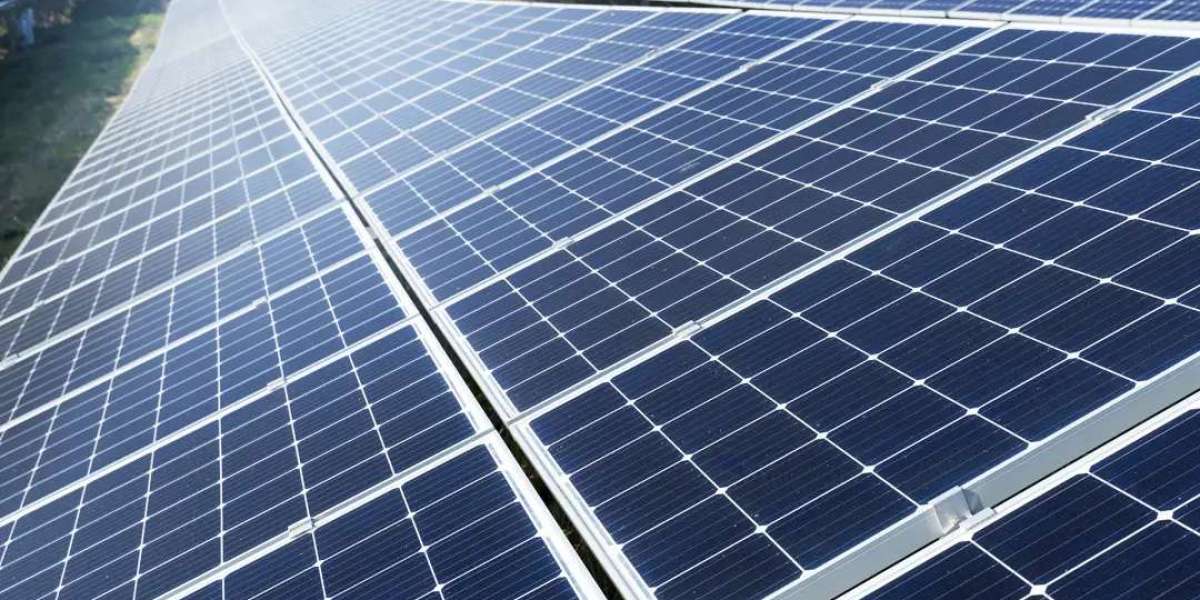
A Solar panel contains photovoltaic cells. These cells react to sunlight and produce direct current electricity.
One panel produces a limited amount of power, so several panels are connected when a property needs more electricity.
The electricity then goes to an inverter, which converts it into alternating current for everyday use.
It's a simple chain, but every part needs to work properly.
How Solar Power Helps During the Day
Solar power is most useful when the sun is available.
If you're running appliances during daylight hours, electricity from the panels can help power them directly. This can reduce the amount of electricity you draw from the grid.
For businesses that operate mainly during the day, this can be especially useful.
How Much Electricity Can You Produce?
There's no single answer for every system.
Production depends on the number and capacity of panels, sunlight conditions, panel orientation, shade, temperature, and system design.
A larger system can produce more electricity, but only if the property has enough suitable space and the energy is actually needed.
Check Your Roof or Installation Area
Before installing a Solar panel system, look carefully at the available space.
A good location should have:
Plenty of direct sunlight
Enough room for the required panels
Minimal shading
A suitable structure
Safe access for maintenance
A roof can be a great option, but it's not automatically suitable just because it's large.
Why Shade Is a Problem
Solar panels need sunlight to generate electricity.
A tree may look far enough away, but its shadow can move across the panels during the day. Nearby buildings, walls, tanks, and other structures can cause similar problems.
This is why the installation area should be checked at different times of the day.
What About Panel Cleaning?
Panels are exposed to the weather all year.
Dust, dirt, and other debris can collect on their surface and reduce the sunlight reaching the solar cells.
Cleaning needs vary by location. If your property is in a dusty area, you may need to clean the panels more often.
Choosing an Inverter
The inverter is just as important as the panels in a complete system.
It converts the DC electricity produced by the panels into AC electricity that appliances can use.
When comparing options, check the inverter's capacity and warranty. It should also be suitable for the number of panels and the expected electrical load.
When Are Batteries Useful?
Batteries store electricity for later.
They're useful if you want to use solar energy at night or keep selected equipment running during power outages.
But battery storage isn't required for every setup. It depends on your energy habits and what you want the solar system to do.
Solar Maintenance Isn't Complicated
A Solar panel system doesn't need daily maintenance.
Keep the panels reasonably clean, watch for visible damage, and check the inverter for warnings. If electricity production suddenly falls, investigate rather than assuming it's normal.
Simple checks can help keep the system working properly.
Make the System Fit Your Needs
Don't start by asking how many panels you can fit on the roof.
Start with how much electricity you use.
Once you know your average consumption, you can think about panel capacity, inverter size, battery storage, and installation space.
Final Thoughts
Solar power can be a useful source of electricity for homes, offices, shops, and industrial sites. A properly planned Solar panel system can reduce grid dependence and make good use of available sunlight.
The smartest approach is to understand your energy needs first. Then choose a system that fits your property, rather than trying to make your property fit the system.