Few areas of the body frustrate people as much as stubborn fat that refuses to respond to diet and exercise. It may sit around the abdomen, thighs, hips, arms, or chin, and it often stays put even when the rest of the body becomes leaner. Liposuction is a body contouring procedure designed to remove these localized fat deposits and refine the body’s shape. Many people researching Liposuction in Islamabad want to understand what the procedure can realistically achieve before they book a consultation. This guide explains the purpose, benefits, suitability, limitations, risks, and alternatives, so you can make an informed and confident decision.
What Is Liposuction and What Is It Meant For?
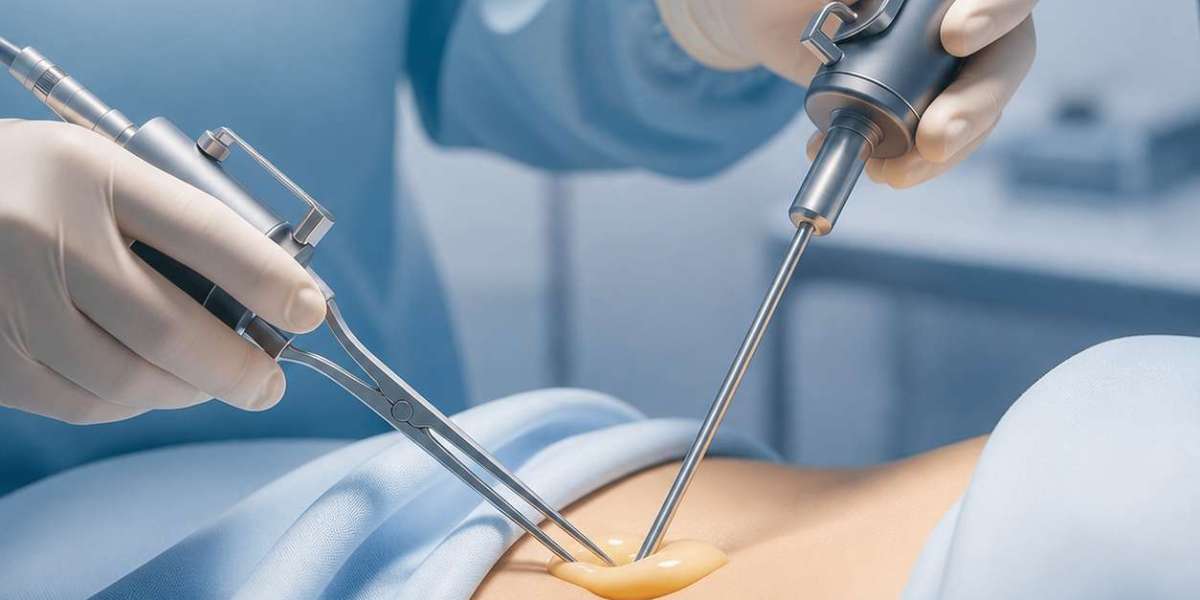
Liposuction, also called lipoplasty or suction-assisted fat removal, uses a thin hollow tube called a cannula to remove fat cells from targeted areas under the skin. Once removed, those fat cells do not grow back in the treated zone, which is why the change in contour can be long lasting when weight stays stable.It is important to understand what the procedure is not. Liposuction is a body sculpting treatment, not a weight loss solution and not a treatment for obesity. Its purpose is to improve proportion and contour in people who are already close to a healthy weight but have specific areas that do not respond to lifestyle efforts.
Why Do People Consider Liposuction?
People choose fat removal for many personal reasons, and understanding your own motivation helps set the right expectations.
Stubborn Fat Pockets
Genetics largely determine where the body stores fat. Some people carry weight in the lower abdomen or love handles, while others store it in the thighs or upper arms. These pockets can remain even after consistent exercise and a balanced diet.
Clothing Fit and Body Proportion
Many patients want clothes to fit more smoothly and comfortably. Reducing a bulge in one area can bring the body into better balance, which often improves how people feel in everyday outfits.
Changes After Pregnancy or Aging
Life events and aging change how fat is distributed. Some individuals notice new deposits around the midsection or flanks that were never an issue earlier in life.
Male Body Contouring
Men also seek treatment for areas such as the abdomen, flanks, and chest. Liposuction can be part of a plan for refining the male torso, and it is sometimes combined with other procedures.
Key Benefits of Liposuction
When performed on the right candidate by a skilled surgeon, liposuction offers several advantages.
Targeted Contour Improvement
Unlike general weight loss, which reduces fat across the whole body, liposuction addresses specific zones. This precision allows the surgeon to sculpt the waist, define the jawline, or slim the thighs.
Long-Lasting Results
Because treated fat cells are permanently removed, the new shape can remain stable over the years as long as you maintain a steady weight. Remaining fat cells elsewhere can still expand, so lifestyle still matters.
Improved Self-Confidence
Many patients report feeling more comfortable in their bodies and clothing after recovery. Greater confidence is often one of the most valued outcomes, though it should come from realistic goals rather than perfection.
Combination Flexibility
Liposuction can be combined with procedures such as tummy tuck, body lift, or fat transfer, depending on your anatomy and goals. A qualified surgeon can advise which combination makes sense.
Common Treatment Areas
The most commonly treated areas include the abdomen, waist and flanks, hips, thighs, buttocks, upper arms, back, chin and neck, and knees. Each region has different skin characteristics and fat structure, so techniques and results vary. Your surgeon will assess which areas are suitable and how much fat can be safely removed.
Who Is a Suitable Candidate?
A good candidate is generally an adult in good overall health, at or near a stable and healthy body weight, with localized fat deposits and reasonably firm, elastic skin. Non-smokers tend to heal better, and realistic expectations are one of the most important traits of a successful patient.Certain conditions may make liposuction unsuitable or require extra caution, including uncontrolled diabetes, heart or lung disease, bleeding disorders, active infections, pregnancy, and poor wound healing. People with significant loose skin may need a skin-tightening or excision procedure instead of, or in addition to, liposuction. A thorough medical assessment is essential before any decision.
The Consultation Process
A professional consultation should be unhurried and honest. The surgeon reviews your medical history, medications, allergies, and previous surgeries, then examines the areas of concern and evaluates skin quality. Photographs and measurements may be taken for planning.You should discuss your goals openly, ask about technique, anesthesia, recovery, and costs, and expect a clear explanation of risks. A responsible clinic will sometimes advise against surgery or recommend waiting if you are not a suitable candidate.
Techniques Used in Modern Liposuction
Several techniques exist, and the right choice depends on the area, the amount of fat, and surgeon preference. Tumescent liposuction involves injecting a fluid solution that numbs the tissue and reduces bleeding before fat is removed. Ultrasound-assisted and laser-assisted approaches use energy to help loosen fat, which may suit certain dense areas. Power-assisted liposuction uses a vibrating cannula to make fat removal more efficient. No single method is best for everybody, and technique matters less than the surgeon’s skill and judgment.
Limitations You Should Understand
Honest information about limitations protects you from disappointment. Liposuction does not remove cellulite, and it does not tighten loose skin. It cannot replace a healthy lifestyle, and weight gain after surgery can still alter your shape. There is also a limit to how much fat can safely be removed in one session, so it cannot deliver dramatic weight loss.Results also depend on your skin elasticity, body structure, and healing. Mild asymmetry or contour irregularities can occur, and a revision procedure is occasionally needed.
Possible Risks and Side Effects
All surgery carries risk, and liposuction is no exception. Common effects include swelling, bruising, soreness, and temporary numbness. Less common complications include contour irregularities, fluid collection, infection, scarring, changes in skin sensation, and reactions to anesthesia. Rare but serious complications include blood clots, fat embolism, and damage to deeper structures.Choosing a qualified surgeon, a properly equipped facility, and following all pre- and post-operative instructions greatly reduces these risks. Being honest about your health history is equally important.
Recovery and Aftercare
Recovery varies with the size and number of treated areas. Most people feel sore and swollen for the first week, and many return to desk-based work within several days to a week or two. Compression garments are typically recommended for several weeks to control swelling and support the new contour.Light walking is encouraged early, while strenuous exercise is usually delayed for a few weeks, as advised by the surgeon. Swelling can take months to resolve fully, so the final shape emerges gradually. Staying hydrated, eating nutritious meals, avoiding smoking, and attending follow-up visits all support healing.
Realistic Expectations
Expect improvement, not perfection. You will likely see a slimmer contour once swelling subsides, but the body will not look like another person’s. Results depend on anatomy, skin quality, lifestyle, and the area treated. Maintaining stable weight through balanced eating and regular activity is the most reliable way to protect your outcome.
Alternatives to Liposuction
Surgery is not the only route to body contouring, and some people prefer less invasive options.
Non-Surgical Fat Reduction
Treatments using cold, heat, radiofrequency, or focused energy can reduce small fat pockets with minimal downtime. Results are generally more modest and gradual than surgery.
Lifestyle and Medical Weight Management
For people with more general excess weight, structured nutrition, exercise, and medically supervised programs may be more appropriate than liposuction.
Skin Tightening and Surgical Contouring
If loose skin is the main concern, procedures such as abdominoplasty or skin tightening treatments may deliver better results.
How to Choose the Right Clinic?
Look for qualified, experienced surgeons, a clean and accredited facility, and transparent communication about risks and costs. Ask to see realistic before-and-after photographs, understand who performs each stage of care, and confirm that follow-up support is included. Be cautious of aggressive discounts, guaranteed outcomes, or pressure to commit quickly.
Conclusion
Liposuction can be an effective way to refine body contours when it is chosen for the right reasons and performed by the right professionals. It works best for healthy adults near their ideal weight who have localized fat and good skin elasticity, and it is not a shortcut to weight loss. By understanding the benefits, limitations, risks, alternatives, and recovery involved, you can approach the decision with clarity and realistic expectations. Begin with an honest consultation, ask detailed questions, and choose a clinic that prioritizes safety and long-term wellbeing. With sound preparation and careful aftercare, liposuction can help you achieve a smoother, more balanced shape and greater confidence in your own body.
Read More :
https://splashy-snarl-af3.notion.site/Liposuction-Surgery-Preparation-Guide-for-Islamabad-Patients-3fa7a638ab22805abf70ecf1691abdf1