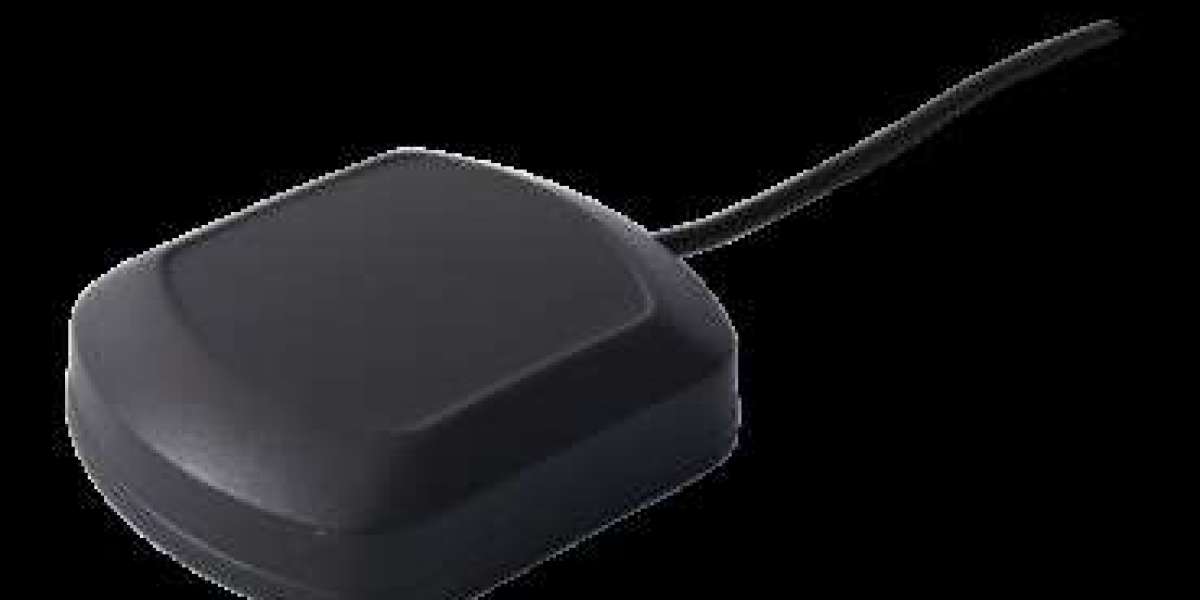
In fleet management, accuracy is everything. From real-time vehicle monitoring to route optimization and fuel efficiency, your tracking system depends heavily on one critical component — the GPS antenna.
While fleet operators often focus on the GPS tracker device itself, the antenna plays an equally important role in signal strength, reliability, and data accuracy. Choosing the wrong GPS antenna can lead to signal loss, inconsistent tracking, and increased operational costs.
Here are the top mistakes to avoid when selecting a GPS antenna for fleet tracking, along with practical insights to help you make the right decision.
- Ignoring Antenna Type: Active vs. Passive
One of the most common mistakes is not understanding the difference between active and passive GPS antennas.
- Active GPS antennas include a built-in low-noise amplifier (LNA) that strengthens weak satellite signals.
- Passive GPS antennas do not amplify signals and are generally suitable for short cable runs and strong signal environments.
For fleet tracking — especially in trucks, vans, and heavy equipment — active antennas are typically the better choice. They provide stronger, more stable signals in challenging environments such as urban areas or remote locations.
Avoid this mistake: Always match the antenna type to your fleet’s operational conditions.
- Overlooking Signal Gain Specifications
Signal gain determines how effectively an antenna can capture and transmit GPS signals. Choosing an antenna with insufficient gain can result in:
- Inaccurate vehicle positioning
- Delayed location updates
- Dropped tracking signals
High-gain antennas are particularly important for fleets operating in:
- Dense urban environments
- Industrial areas
- Regions with weak satellite coverage
Avoid this mistake: Review technical specifications such as gain (dBi), noise figure, and frequency compatibility before purchasing.
- Poor Antenna Placement Planning
Even the best antenna can underperform if installed incorrectly. Poor placement can block satellite visibility and reduce tracking accuracy.
Common placement errors include:
- Installing the antenna inside metal enclosures
- Positioning it under thick vehicle structures
- Mounting it too close to interference sources
For fleet vehicles, external roof-mounted or magnet-mounted antennas often provide the best signal performance.
Avoid this mistake: Plan antenna placement during installation to maximize clear sky visibility.
- Ignoring Environmental Conditions
Fleet vehicles operate in demanding conditions — extreme temperatures, vibration, dust, and moisture. Selecting a standard indoor antenna for outdoor fleet use can result in premature failure.
Look for antennas with:
- Weather-resistant housing
- IP-rated protection
- Vibration resistance
- UV protection
This is especially important for logistics, construction, mining, and industrial fleets.
Avoid this mistake: Choose rugged, industrial-grade antennas designed for long-term outdoor use.
- Not Checking Connector Compatibility
Connector type mismatches can delay installations and increase costs. GPS antennas commonly use connectors such as SMA, FAKRA, or MCX.
Before purchasing, verify:
- Connector type
- Cable length requirements
- Compatibility with your GPS tracker
Avoid this mistake: Always confirm hardware compatibility with your fleet tracking device.
- Choosing Based on Price Alone
Low-cost antennas may seem attractive, but they often compromise on signal quality, durability, and lifespan. Poor signal reception can lead to:
- Inaccurate route data
- Fuel inefficiencies
- Increased driver monitoring issues
- Higher maintenance costs
In fleet management, reliability directly impacts operational efficiency and ROI.
Avoid this mistake: Focus on long-term performance and reliability rather than just upfront cost.
- Neglecting Future Scalability
As fleets grow or upgrade to advanced telematics systems (4G LTE, Cat-M, NB-IoT), antenna requirements may change. Selecting an antenna without considering future connectivity upgrades can limit scalability.
Avoid this mistake: Choose antennas compatible with modern fleet telematics systems to ensure long-term usability.
The Business Impact of Choosing the Right GPS Antenna
A properly selected GPS antenna offers:
- Higher tracking accuracy
- Improved fleet visibility
- Reduced signal interruptions
- Better route optimization
- Lower operational costs
- Increased driver accountability
Reliable GPS performance enables data-driven decisions, helping fleet managers improve efficiency and profitability.
Final Thoughts
Selecting the right GPS antenna for fleet tracking is not just a technical decision — it’s a strategic investment in your fleet’s performance. Avoiding these common mistakes ensures stronger signal reliability, improved tracking precision, and long-term operational success.
If you’re planning to upgrade your fleet tracking system or need expert advice on choosing the right GPS antenna, working with a trusted supplier can make all the difference.
Read More: https://tecsysproductguides.blogspot.com/2026/02/top-mistakes-to-avoid-when-selecting.html