Industries in Qatar Using Intelligent Lockers
Retail and Shopping Destinations
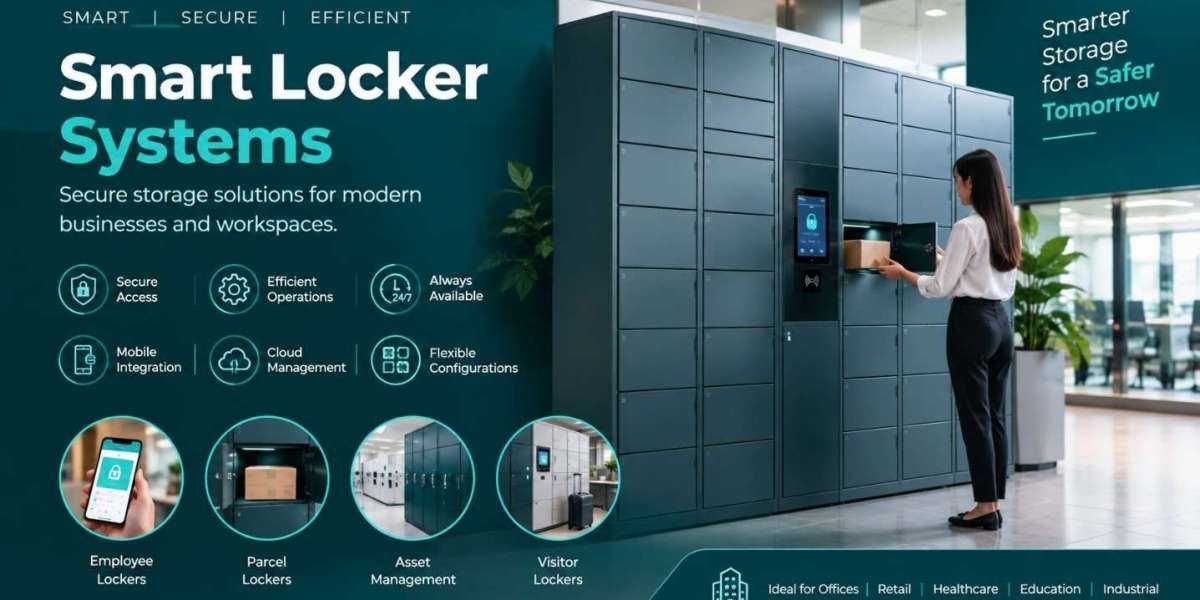
Shopping centres in Doha, Lusail and The Pearl welcome large visitor numbers, tourists and event crowds. Shoppers can store bags, strollers and purchases while they browse, and tenants can use secure compartments for stock or staff belongings. This improves customer comfort and reduces congestion at entrances.
Corporate Offices and Coworking Spaces
Hot desking is growing across West Bay and Lusail towers. Personal lockers assigned for a day or a week let employees keep devices and documents safe without owning a fixed desk.
Healthcare, Education and Sports
Hospitals use lockers for uniforms, medical equipment and patient valuables. Universities and schools handle books and laptops, while stadiums, gyms and fitness clubs benefit from short term rentals during tournaments and training sessions.
Airports, Hotels and Logistics
Travel hubs such as Hamad International Airport and hospitality venues need luggage storage and parcel pickup points. Retailers and courier partners also use locker banks for click and collect orders, which cuts failed delivery attempts.
The Software Layer: Management and Analytics
Hardware delivers convenience, but software delivers control. A cloud based Digital Locker System connects every compartment to a single platform, while Locker Management Software lets administrators assign compartments, set time limits, revoke credentials and receive instant alerts when a door is forced or left open.
Open APIs allow integration with HR databases, building access control, payment gateways and enterprise resource planning tools. Arabic and English interfaces make daily operation simple for multinational teams working in Qatar.
Implementation Roadmap for Qatari Businesses
1. Site survey: measure available space, power points and network coverage.
2. Capacity planning: choose compartment sizes based on the items users will store.
3. Integration: connect lockers with staff cards, mobile apps or visitor registration.
4. Installation and testing: certified technicians mount, calibrate and test every unit.
5. Training and support: train administrators and agree a maintenance schedule.
Companies comparing options can explore the full product range or review RFID locker solutions for enterprises before requesting a site assessment.
Why Experience and Trust Matter When Choosing a Provider
Storage hardware protects personal belongings, so buyers should evaluate suppliers carefully. Look for a provider with documented installations in similar environments, certified components that meet CE, FCC and RoHS standards, and clear data handling practices that respect the Personal Data Privacy Protection Law of Qatar (Law No. 13 of 2016).
Reliable vendors also offer local technical support, spare parts availability, written warranties and transparent service agreements. Asking for case studies, references and a live demonstration is the most dependable way to confirm that a supplier can deliver what the brochure promises.
Conclusion
Adopting RFID storage gives Qatari organisations stronger security, smoother operations and measurable data about how space is used. Tek Locker combines durable hardware with intuitive software so teams can launch quickly and scale with confidence. Whether you manage an office tower or a retail destination, a dependable Locker System reduces queues, staff effort and lost property complaints. Businesses searching for a Smart Locker System Doha partner should prioritise local support, transparent pricing and proven integrations. Contact Tektronix Global today to book a consultation and a site assessment.