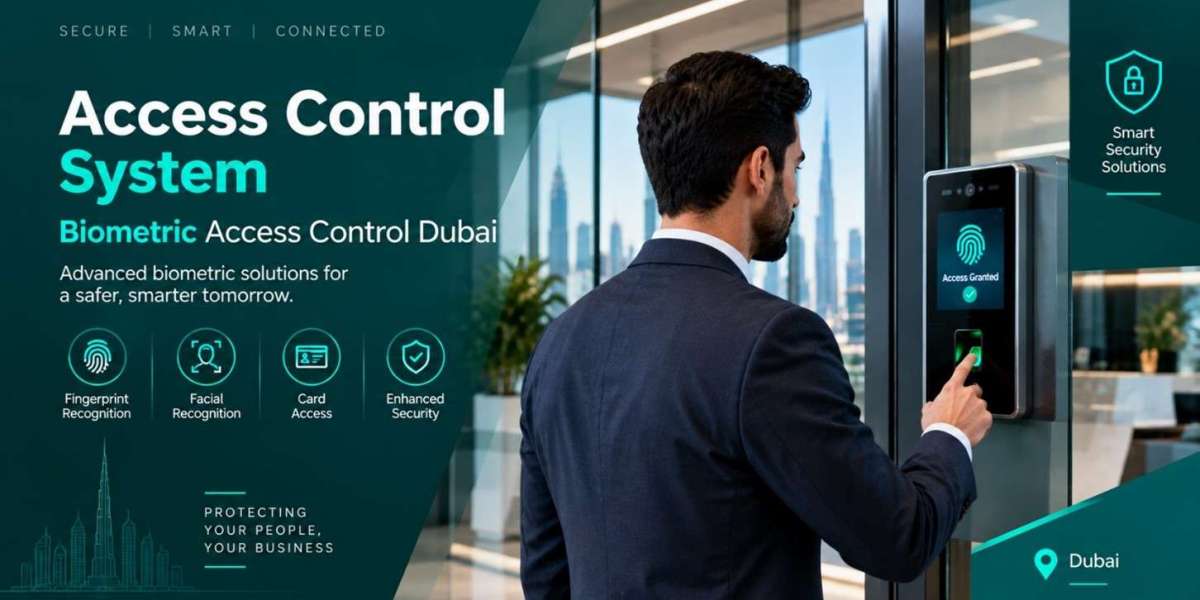
Qatar offices are moving from cards and PIN codes toward identity based entry, and Tektronix supports that shift with Access Control Solutions that combine facial, fingerprint, and mobile credentials under one management layer. This guide explains how biometric entry works in a Qatar workplace, which components matter, how local regulation shapes design, and what a well run deployment looks like. It draws on Tektronix field experience across the GCC and on technology from HID Global, a long established name in secure identity.
Mobile Access Control: The Smartphone as a Credential
Mobile Access Control turns an employee's own smartphone into their entry credential, using a secure app that communicates with the door reader over Bluetooth or near field communication rather than requiring a separate physical card. This approach has gained traction among Qatar organizations that want to reduce the administrative burden of issuing, replacing, and deactivating physical cards, since a lost phone can be remotely revoked from the access platform in moments, and a new credential can be issued to a replacement device without anyone visiting a security office.
Measuring Results After Go Live
Track a small set of indicators from the first month: average entry time at peak hours, number of denied or forced entries, credential issue and revoke times, and visitor wait time at reception. These figures show whether readers are placed well and whether policies match how people actually move through the building. Many offices also report fewer help desk requests once lost card replacement disappears. Sharing a short monthly summary with management builds confidence and supports budget decisions for future floors.
Common Mistakes to Avoid
The most frequent errors are choosing readers before mapping door types, ignoring network and power planning, skipping liveness testing, and leaving default administrator passwords in place. Another risk is keeping a single shared credential for contractors. Each of these weakens the audit trail that biometrics are meant to strengthen, so a documented design review before purchase is time well spent.
How Tektronix Delivers: Experience You Can Verify
Tektronix follows four stages: a site survey and risk review, a design that maps users, doors, and zones, staged installation and commissioning, and ongoing support with firmware and policy reviews. Its engineers work with HID Global platforms across the GCC from regional offices in the UAE, so Qatar clients benefit from lessons learned on projects in Dubai, Abu Dhabi, Riyadh, and Muscat. Commissioning records, administrator training, and documentation are handed over at completion so facilities teams stay in control. To review options for your building, visit Tektronix Global and request a site assessment.
Conclusion
A well-planned Access Control System Qatar deployment helps offices manage entry with clear permissions and accountable processes. An Advanced Access Control System can combine biometric verification, cards, mobile credentials, and monitoring according to site risk. The right Security Access Control System should protect privacy, support emergency egress, and integrate reliably with existing infrastructure. A suitable Door Access Control System and correctly selected Access Control Device help make each entry point secure and practical.
Explore Tektronix Global Access Control Solutions to discuss an approach for Access Control System Doha requirements and your workplace needs.