Platelet-rich plasma therapy has become one of the most talked-about regenerative treatments in aesthetic and hair medicine. It uses a concentrated portion of your own blood to encourage healing and renewal in the area where it is applied. People turn to it for thinning hair, tired-looking skin and other concerns where they want a natural, minimally invasive option. Many patients considering PRP in Islamabad ask the same practical question before booking: how long will the results actually last? This guide answers that question honestly, along with who may benefit, what limits to expect and what alternatives exist.
Understanding PRP Treatment
What Is Platelet-Rich Plasma?
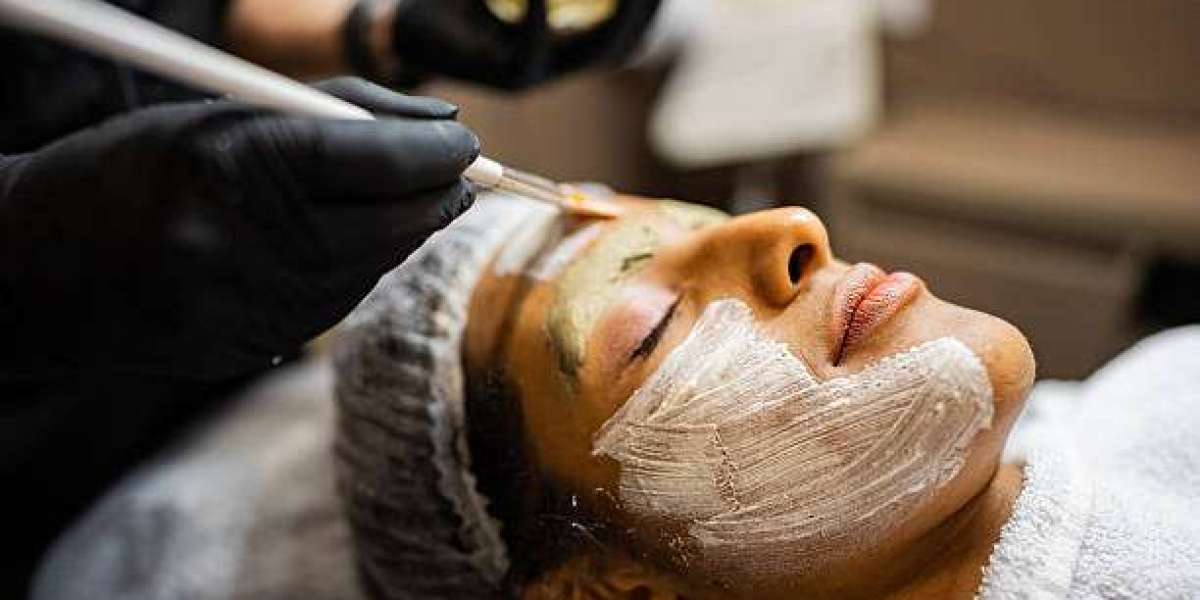
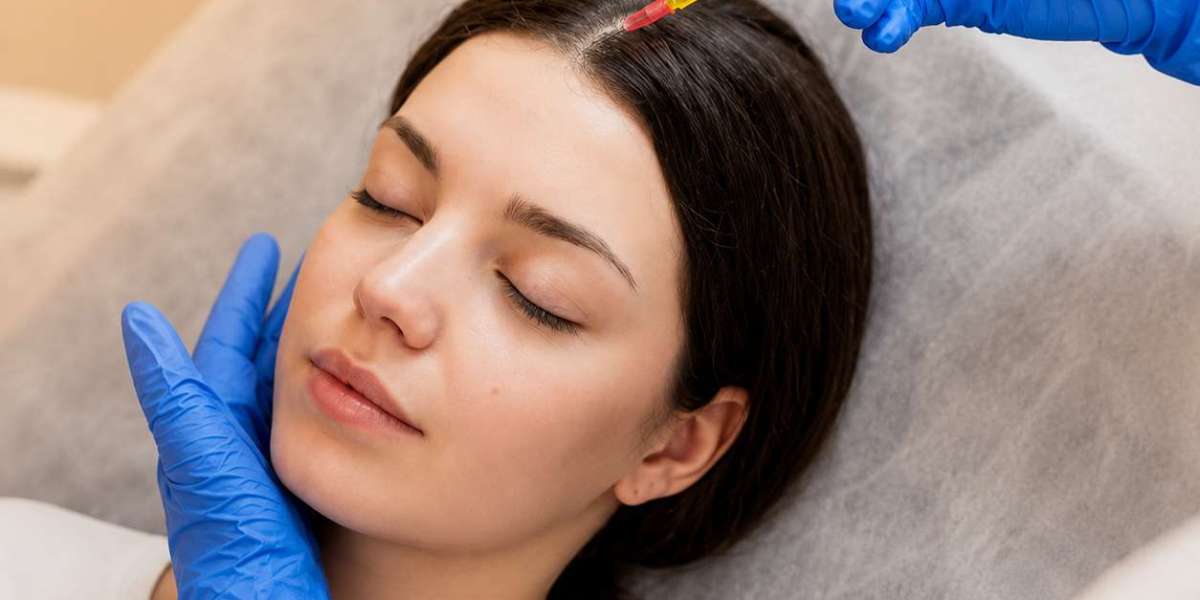
Blood contains platelets, which are cells that play a key role in healing. They carry growth factors, which are proteins that signal tissues to repair and regenerate. PRP is made by drawing a small sample of your blood and spinning it in a centrifuge to separate and concentrate the platelets. The resulting plasma is then applied to the target area, either through small injections or, in some skin treatments, alongside microneedling.
What Is the Treatment Intended to Do?
The aim is to stimulate the body’s own repair processes. In hair treatment, PRP is intended to support dormant or weakened follicles and encourage thicker, healthier growth. In skin treatment, it is used to improve texture, tone and overall freshness. Because the material comes from your own body, the risk of allergic reaction is generally low.
Why People Consider PRP?
People choose PRP for different reasons. Some want an alternative to surgery or prescription medication. Others like the idea of using their own biological material. Many appreciate that the procedure is quick, is done in a clinic and usually needs little downtime. Early hair thinning, a receding look at the crown or temples, dull skin and early signs of aging are common reasons for seeking a consultation.
How Long Do PRP Results Last?
Hair Restoration Results
For hair concerns, PRP is usually given as a series of sessions spaced weeks apart, rather than as a single treatment. Many patients begin to notice changes such as reduced shedding or improved thickness after a few months, as hair growth cycles are slow. Results are not permanent. Hair loss is often an ongoing process driven by genetics, hormones or health factors, and PRP does not remove these underlying causes. Because of this, practitioners commonly recommend maintenance sessions after the initial course, often a few times per year, to help sustain improvement. Without maintenance, gains may fade gradually over time.
Skin Rejuvenation Results
For facial skin, improvements in glow, texture and fine lines tend to appear gradually over weeks as collagen production is stimulated. These effects typically last for several months, and many patients choose periodic top-up sessions to maintain the look. Ongoing aging, sun exposure and lifestyle habits all influence how long the benefits remain visible.
Why Duration Varies From Person to Person?
No clinic can promise an exact duration, because several factors shape the outcome. Age and general health affect how well tissues respond. The cause and stage of hair loss matter, since early thinning often responds better than advanced baldness. The number of sessions completed, the quality of the PRP preparation and the technique used also play a part. Smoking, poor sleep, stress, nutritional deficiencies and hormonal imbalances can reduce results, while good aftercare and healthy habits may help preserve them.
Potential Benefits of PRP
Natural and Autologous
Because PRP is prepared from your own blood, it avoids synthetic ingredients and carries a low risk of rejection.
Minimal Downtime
Most patients resume normal activities soon after a session, with only mild redness, tenderness or swelling for a short period.
Support for Hair and Skin Quality
PRP may improve hair density, strength and shedding in suitable candidates, and may enhance skin texture and radiance. It can also be combined with other treatments under professional guidance to support broader goals.
Who Is a Suitable Candidate?
Good Candidates
PRP tends to suit adults with early to moderate hair thinning, people whose hair follicles are still active and individuals seeking a non-surgical option. For skin concerns, it may suit those with mild to moderate signs of aging or dull texture who prefer a gentle, gradual approach.
Who May Need Caution or Alternatives
PRP may not be appropriate for everyone. People with certain blood disorders, low platelet counts, active infections at the treatment site, some autoimmune or chronic conditions, or those taking blood-thinning medication should discuss their situation carefully with a doctor first. Those who are pregnant or breastfeeding are usually advised to wait. Advanced baldness with little or no remaining active follicle is unlikely to respond well, and a doctor may suggest different options.
Limitations of PRP
PRP is not a cure for hair loss or aging. It will not create new follicles where none remain, and it will not stop the natural aging process. Results are gradual, vary widely and are not guaranteed. The evidence supporting PRP is encouraging for some uses but still evolving, and protocols differ between practitioners, which makes outcomes harder to compare. Commitment to multiple sessions and maintenance is usually needed, so it should be viewed as an ongoing plan rather than a one-time fix.
Possible Risks and Side Effects
Common, Short-Term Effects
PRP is generally well tolerated. The most common effects include mild pain, tenderness, redness, swelling or small bruises at the injection sites, which usually settle within a few days. Some people experience a mild headache or a feeling of tightness in the treated area.
Less Common Risks
Rarely, complications such as infection, scarring, nerve irritation or uneven results can occur, especially if the procedure is not performed under sterile conditions or by a trained practitioner. This is why choosing a qualified clinic is so important. Always disclose your medical history, medications and allergies before treatment.
Alternatives to PRP
Medical Options
Doctors may recommend topical or oral medications for certain types of hair loss, depending on the cause. These treatments have a longer track record but require consistent, ongoing use and may carry their own side effects.
Procedural and Surgical Options
Hair transplantation is a more permanent option for suitable candidates with stable donor areas. Other in-clinic treatments, such as mesotherapy or low-level laser therapy, are also used. For skin, alternatives include microneedling, chemical peels, laser resurfacing and other collagen-stimulating therapies. A specialist can explain how these compare in terms of results, downtime and suitability for you.
Lifestyle and Nutritional Support
Addressing deficiencies in iron, vitamin D or protein, managing stress and avoiding harsh hair practices can support healthier hair. Sun protection and a consistent skin care routine help maintain skin quality. These steps can also improve the results of any treatment you choose.
Realistic Expectations
What You Can Reasonably Expect
A realistic expectation is gradual, moderate improvement rather than dramatic transformation. Hair may look fuller, shed less and feel stronger, while skin may appear fresher and smoother. Results build over months, and maintenance is often needed to keep them going. A good practitioner will set honest goals and avoid exaggerated promises.
How to Help Your Results Last
Following aftercare instructions, attending recommended follow-up sessions and maintaining a balanced diet, regular sleep and stress control can all support longevity. Avoiding smoking and protecting your skin from the sun also helps. Staying consistent matters, since stopping treatment entirely may allow the original process to resume.
Choosing a Qualified Provider
What to Look For
Look for a clinic with trained medical professionals, clear hygiene standards and a transparent consultation process. A reliable provider will assess your condition, explain the likely timeline and discuss risks and alternatives openly. Be cautious of anyone who guarantees permanent results or pressures you into a package without proper evaluation.
Conclusion
PRP can be a worthwhile option for people seeking a natural, minimally invasive way to support hair and skin health, but its results are not permanent. Most benefits last for months rather than years, and maintenance sessions are often needed to keep improvements going. How long your results last depends on your age, health, the cause of your concern and how consistently you follow your treatment plan. Understanding the limits, risks and alternatives helps you set realistic expectations and make a confident decision. If you are considering this treatment, the best next step is a consultation with a qualified specialist who can assess your needs and design a plan that fits your goals.