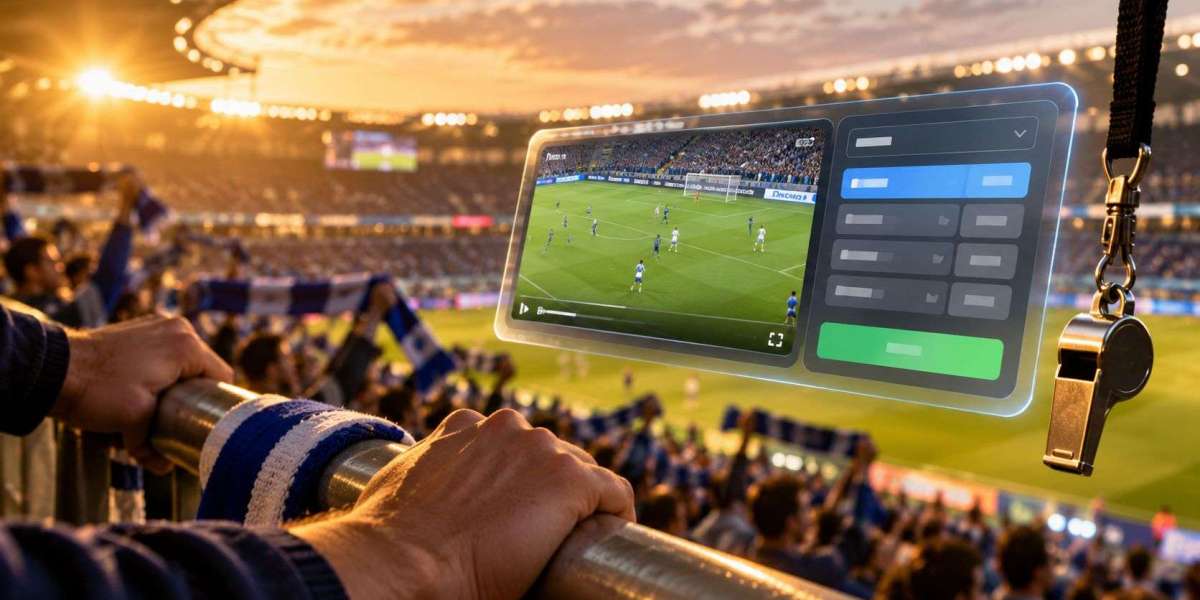
Watching a match and following betting markets should not feel like two separate activities. When viewers need to switch between a streaming service and a sportsbook, they can miss important moments and lose track of changing odds. Integrating live video directly into a betting platform creates a more connected experience, allowing users to watch sporting events while exploring available markets in the same interface. For a sports betting app development company, achieving this requires reliable video delivery, real-time data synchronization, and an interface that remains responsive during live events.
However, embedding a video player is only one part of the process. Developers must also coordinate streaming infrastructure with betting services, manage network delays, protect transactions, and ensure that market information remains accurate. A well-planned integration brings these components together without compromising the performance or reliability of the sportsbook.
What Is Live Streaming Integration in Sports Betting?
Live streaming integration enables users to watch sporting events directly within a sportsbook website or mobile application. Rather than opening a separate video platform, customers can follow a match while viewing odds, checking statistics, and preparing their betting slips.
The video player becomes part of the main betting interface. Depending on the platform's design, users may be able to resize the player, switch between live events, enter full-screen mode, or continue browsing betting markets while the video remains visible.
This functionality is especially valuable for in-play betting, where market conditions can change rapidly as a match progresses. However, the video feed and betting information must be managed carefully. If the stream is delayed while the betting market reflects a more recent event, the user may see a different situation from the one represented by the current odds.
Which Technologies Are Required for Live Streaming Integration?
The technology stack depends on the number of expected viewers, target devices, geographical coverage, licensing arrangements, and acceptable streaming latency.
A typical implementation combines a frontend video player with backend services, video delivery infrastructure, and real-time betting data integrations.
The main components include:
- Video player: Displays the event within the sportsbook and provides playback controls, screen resizing, and device compatibility.
- Streaming infrastructure: Receives, processes, encodes, and packages video for delivery to viewers.
- Content delivery network (CDN): Distributes video across geographical locations to improve delivery efficiency and handle traffic spikes.
- Backend integration services: Connect streams with the correct sporting events, verify access permissions, and manage stream availability.
- Real-time data services: Deliver changing odds, scores, market suspensions, and other event information.
- Monitoring systems: Track playback quality, buffering, latency, and service availability.
HTTP Live Streaming (HLS) and MPEG-DASH are widely used for adaptive video delivery. WebRTC can be appropriate when very low latency is essential, although it requires a different approach to infrastructure and large-scale distribution.
The best option depends on the platform's performance requirements, supported devices, and expected audience size.
How Do You Add a Video Player to the Betting Interface?
The first step is to design a layout that keeps the video and betting functions accessible simultaneously. Desktop platforms can place the player alongside live markets and the betting slip, while mobile applications can use a compact or picture-in-picture player to preserve screen space.
Developers can embed a compatible player using a web video component or a streaming provider's SDK. The backend supplies the appropriate stream information after checking whether the user is authorized to access the content.
A practical integration process involves the following steps:
- Select a licensed streaming provider and confirm its supported devices, territories, and playback conditions.
- Connect the sportsbook's event records with the streaming provider's event and stream identifiers.
- Integrate the player and configure playback controls, responsive layouts, and error handling.
- Connect the interface to live betting data through WebSockets or another suitable real-time communication method.
- Test playback and betting functionality across browsers, mobile devices, and different network conditions.
The player should not block access to essential sportsbook features. Developers must also account for autoplay restrictions, accessibility, mobile bandwidth limitations, and playback recovery when connections become unstable.
How Can You Synchronize Live Video With Betting Odds?
One of the biggest technical challenges is keeping video playback and betting information consistent. Video streams and odds feeds often travel through separate systems, which means their updates may arrive at different times.
For example, a video stream might still show play continuing while the betting system has already received information that requires a market suspension. If the interface does not handle this difference correctly, users could encounter outdated information or attempt to place invalid wagers.
To minimize these problems, developers should connect streams, events, and betting markets through consistent identifiers. The backend can associate each video feed with the correct event while the frontend receives current odds and market status independently.
Important practices include:
- Use authoritative timestamps and event identifiers to correlate video and betting data.
- Display clear messages when streams are delayed, unavailable, or reconnecting.
- Suspend affected markets when required information becomes unreliable or betting is no longer permitted.
- Validate every wager against current server-side market conditions rather than relying on the displayed interface.
- Monitor video latency and betting data latency separately to identify synchronization issues.
Matching timestamps alone does not guarantee synchronization because buffering and delivery delays can vary. Continuous monitoring and clearly defined market suspension rules are therefore essential.
How Can You Maintain Streaming Performance During Major Events?
Major tournaments and important matches can attract large audiences in a short period. Without adequate infrastructure, viewers may experience buffering, slow page responses, and delayed odds updates.
A CDN can bring video content closer to viewers, while adaptive bitrate streaming adjusts video quality according to the available network bandwidth. These approaches help maintain playback quality across different devices and connection speeds.
The sportsbook interface must also remain efficient independently of the video stream. Developers should avoid unnecessary page refreshes when odds change and use caching for suitable frequently accessed information.
Performance monitoring should focus on several important indicators:
- Startup time: Measures how quickly playback begins.
- Rebuffering rate: Tracks interruptions caused by insufficient video data.
- Live latency: Measures the delay between the actual sporting event and the displayed stream.
- API response time: Indicates how quickly betting data reaches the interface.
- Concurrent viewers: Measures how many users the infrastructure supports simultaneously.
Realistic load testing should simulate large audiences, network interruptions, stream failures, and sudden increases in betting activity before the feature is released.
What Security and Licensing Requirements Should You Consider?
Live sports broadcasts are often subject to licensing agreements that restrict where and how content can be displayed. Operators must verify that they have the necessary distribution rights for every intended market.
Depending on the provider and jurisdiction, access controls may consider customer location, account status, subscription entitlements, and other eligibility conditions. Signed playback URLs and short-lived access tokens can help prevent unauthorized access.
Security measures should also protect customer accounts, sessions, and financial transactions. Streaming authorization should remain separate from wager processing so that video playback failures do not interfere with transaction integrity.
Before launch, operators should review applicable privacy requirements, age restrictions, responsible gambling obligations, and local regulations governing sports betting.
What Role Do Sports Betting API Providers Play?
Event information, live scores, odds feeds, and betting market data are supplied by sports betting api providers that help connect live video with sportsbook functionality. Depending on the services available, these integrations may also provide event identifiers and market status updates.
The video provider and betting data provider do not necessarily need to be the same company. A dedicated integration layer can map information between different systems, making the platform easier to maintain and reducing dependence on a single supplier.
When evaluating providers, operators should consider data accuracy, update frequency, uptime, geographical coverage, licensing permissions, and integration documentation. Testing should confirm that video feeds correspond to the correct sporting events and that market suspensions reach the interface reliably.
Conclusion
Integrating live streaming into a sportsbook requires more than displaying video alongside betting options. The platform must coordinate video delivery, real-time odds, secure access controls, and server-side wager validation to provide a consistent experience.
By selecting suitable streaming technologies, integrating reliable data services, monitoring latency, and testing under realistic workloads, operators can create a more connected live betting environment. The goal is to let users watch events and access betting markets within one interface while maintaining the accuracy, security, and reliability expected from a modern sportsbook.