Industrial environments require computing equipment that can operate reliably while supporting production monitoring, machine control and industrial automation. A 21.5 inch stainless steel industrial PC is a practical option for applications that need a larger display, a durable enclosure and an integrated computer for operators.
These computers are used in manufacturing facilities, packaging systems, industrial control rooms and other demanding environments. However, choosing the right model requires more than selecting a screen size. Buyers must consider protection ratings, enclosure material, touchscreen technology, processing performance, connectivity and installation requirements.
What Is a 21.5 Inch Stainless Steel Industrial PC?
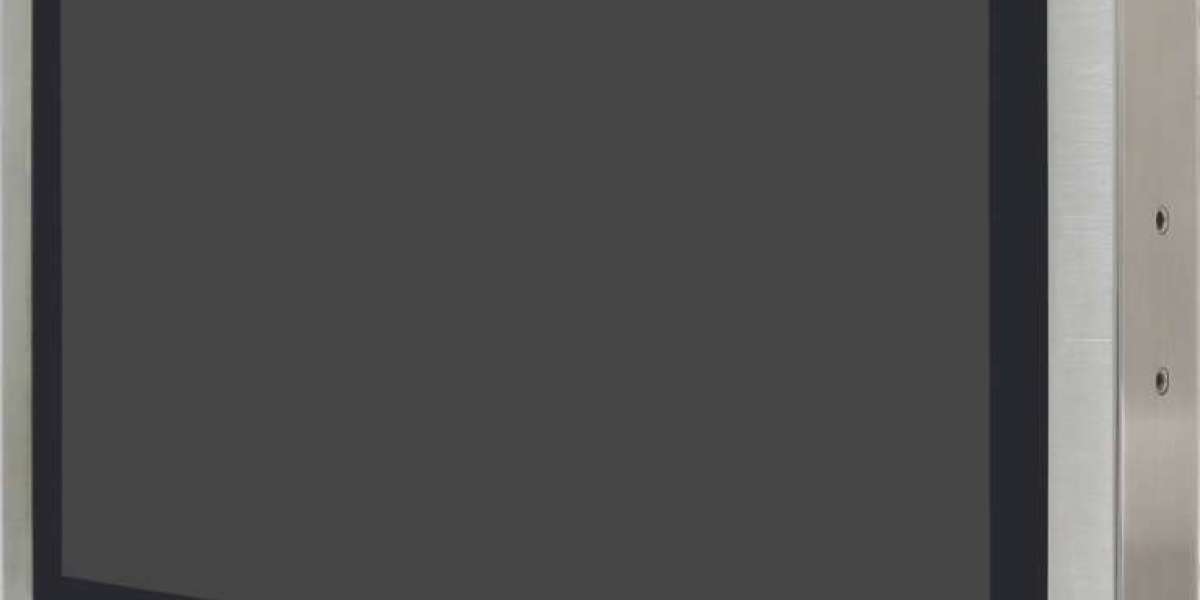
A 21.5 inch stainless steel industrial PC is an industrial computer with a 21.5-inch display and a stainless steel enclosure. Depending on the model, it may feature a touchscreen, industrial communication interfaces and a sealed housing designed for specific environmental conditions.
Compared with a conventional office computer, an industrial PC is selected according to the demands of its installation environment. The stainless steel enclosure can provide useful corrosion resistance and durability, while the integrated display allows operators to interact directly with industrial software.
The actual capabilities vary by model, so buyers should review the manufacturer's datasheet before making a decision.
- Choose the Right Screen Size and Resolution
A 21.5-inch display provides a larger viewing area than many compact industrial panels. This can be helpful when operators need to view machine status, production dashboards, process diagrams and multiple data fields on one screen.
Before selecting a display, consider the information operators need to access and the distance from which they will view it.
Resolution is equally important. A higher-resolution display can show more detailed graphics and information, provided the software is designed to use that resolution effectively. Full HD resolution, for example, is common among 21.5-inch industrial panel PCs, but buyers should verify the resolution of the specific model.
Brightness, viewing angles and screen readability should also match the lighting conditions of the installation area.
- Evaluate Stainless Steel Quality
Stainless steel is often used in industrial computers because of its corrosion resistance and durable construction. However, different grades offer different levels of resistance to environmental conditions.
Stainless steel 304 is commonly used in general industrial applications. Stainless steel 316 or 316L may be preferable where exposure to chlorides, salts or certain cleaning chemicals creates greater corrosion risks.
The appropriate material depends on the actual application. Buyers should also examine the enclosure's joints, surface finish, seals and overall construction.
For environments that require frequent cleaning, a smooth and accessible enclosure design can make maintenance easier. However, stainless steel construction alone does not guarantee that a computer is suitable for every hygienic or washdown application.
- Check the IP Protection Rating
The Ingress Protection (IP) rating indicates how an enclosure performs against the entry of solid particles and water under specified test conditions.
IP65-rated equipment is dust-tight and protected against water jets. IP67-rated equipment is also dust-tight and provides protection against temporary immersion under specified test conditions. IP69K is associated with demanding high-pressure, high-temperature water-jet cleaning tests.
The right rating depends on the actual operating environment. A computer installed in a dry production area may not need the same protection as equipment exposed to intensive cleaning.
Always confirm whether the rating applies to the complete computer or only to its front panel. Connectors, cable entries and mounting arrangements can affect the protection of the installed system.
- Select the Appropriate Touchscreen Technology
Touchscreen technology influences how easily operators can interact with industrial applications.
Projected capacitive touchscreens generally support responsive multi-touch gestures and are useful for modern graphical interfaces. Resistive touchscreens may be suitable for applications involving styluses or certain types of gloves.
The best option depends on how the computer will be used. If operators wear protective gloves, handle equipment with wet hands or work in areas requiring frequent cleaning, test the touchscreen under realistic conditions before purchasing.
Also consider the display's brightness and viewing angle. These characteristics can affect usability in brightly lit production facilities.
- Review Processing Power and Software Compatibility
The processor, memory and storage should support the software that will run on the industrial PC.
A system displaying basic machine parameters may have different requirements from one running SCADA software, production databases, industrial visualization applications or several programs simultaneously.
Before selecting a configuration, check the operating system, processor performance, RAM, storage capacity and software compatibility. Also consider future updates and whether the application may require additional resources later.
Avoid paying for processing power that the application does not need, but do not choose an underpowered configuration that could limit performance as workloads increase.
- Check Industrial Connectivity
A stainless steel industrial PC may need to communicate with PLCs, sensors, controllers, production networks and monitoring systems.
Depending on the application, required interfaces may include Ethernet, USB, serial ports and specific industrial communication protocols. Some industrial models also use M12 connectors designed for demanding installation environments.
Check the available interfaces and confirm compatibility with existing equipment. If the computer will be installed in a wet or dusty area, review the connector protection and cable requirements as well.
Do not assume that every industrial PC supports all automation protocols. Confirm the required interfaces and software compatibility with the supplier before ordering.
- Consider Cooling and Operating Conditions
Industrial computers may operate for long periods, sometimes continuously. Their cooling design and specified operating temperature range must therefore match the installation environment.
Fanless computers reduce the number of moving parts and avoid drawing air through a cooling fan. However, they still require sufficient heat dissipation. Fan-cooled models may be appropriate for applications with higher processing demands.
Before purchasing, review the expected ambient temperature, vibration levels, mounting position and power supply conditions. These factors can influence performance and long-term reliability.
- Compare Total Cost of Ownership
The purchase price is only one part of the cost of an industrial PC. Installation, integration, accessories, software licences, maintenance and replacement parts can all affect the overall investment.
When comparing suppliers, review warranty conditions, technical support, product availability and expected lifecycle. Ask whether the manufacturer can provide technical documentation and replacement equipment if required.
A model that matches the application's requirements can help avoid unnecessary modifications and integration expenses. Comparing the complete solution rather than the initial price alone supports better purchasing decisions.
Final Buying Checklist
Before buying a 21.5 inch stainless steel industrial PC, confirm the following:
- The display size and resolution suit the application.
- The stainless steel grade is appropriate for the environment.
- The IP rating matches the expected exposure to dust and water.
- The touchscreen works under actual operating conditions.
- Processing power and memory meet software requirements.
- Required ports and communication protocols are supported.
- Cooling and operating temperature specifications are suitable.
- Mounting dimensions and cable connections fit the installation.
- Warranty, technical support and replacement-part availability meet business needs.
Conclusion
A 21.5 inch stainless steel industrial PC can provide a practical combination of a large display, integrated computing and a durable enclosure for industrial applications. The right model depends on environmental exposure, screen requirements, software workload, connectivity and long-term support.
By evaluating these factors before purchasing, engineers, machine builders and industrial buyers can choose a computer that meets their operational requirements. Always review the manufacturer's datasheet and confirm the specifications of the exact model before integrating it into a production or automation system.
Read More: https://tecsysproductguides.blogspot.com/2026/10/215-inch-stainless-steel-industrial-pc.html