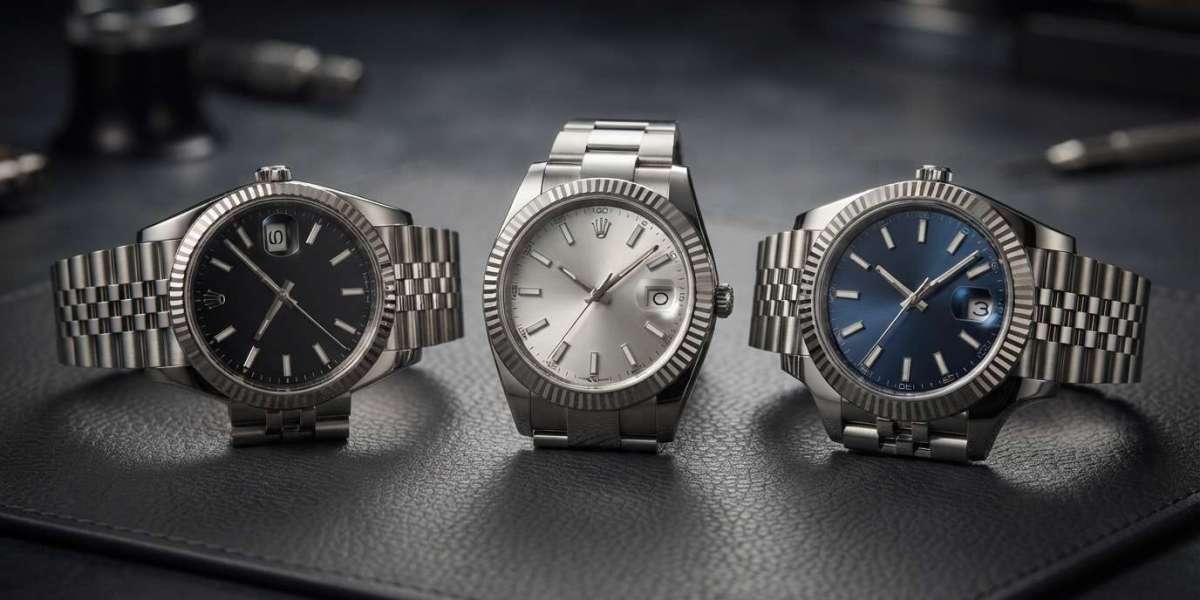
Dive watches are remarkable examples of precision engineering, combining durable materials, specialized components, and carefully designed mechanisms to perform in challenging underwater environments. Unlike ordinary wristwatches, professional dive watches are developed to withstand water pressure, maintain readability in low-light conditions, and provide divers with essential timing information. Their design reflects decades of horological innovation and practical experience.
How Dive Watches Handle Extreme Water Pressure
Water pressure increases with depth, placing significant stress on a watch's case, crystal, seals, and crown. Even a small weakness in these components can allow moisture to enter and damage the internal movement.
To prevent this, manufacturers use robust cases, precisely engineered gaskets, and tightly sealed crown systems. Materials such as stainless steel, titanium, and sapphire crystal are commonly selected for their strength, corrosion resistance, and durability.
Water-resistance ratings help indicate a watch's tested capabilities, but they should not be interpreted as a guarantee that the watch is suitable for every underwater activity. Professional diving requires attention to the manufacturer's specifications and the relevant testing standards.
The Importance of a Rotating Dive Bezel
One of the most recognizable features of a dive watch is its rotating bezel. This component allows divers to track elapsed time during an underwater session, helping them monitor planned dive durations and manage their schedules.
Most traditional dive watches feature a unidirectional rotating bezel. It turns in only one direction, reducing the risk of accidentally extending the recorded dive time if the bezel is knocked out of position.
The bezel typically includes clear minute markings and a prominent starting marker. This simple mechanical feature provides practical timing information without requiring a battery, digital display, or complicated interface.
Readability in Low-Light Conditions
Underwater visibility can change dramatically with depth, water clarity, and available sunlight. For this reason, legibility is a fundamental part of dive-watch engineering.
Manufacturers use high-contrast dials, large hands, clearly defined hour markers, and luminous materials to make time easier to read. Sapphire or mineral crystals may also receive treatments that reduce reflections, depending on the design.
The objective is straightforward: divers should be able to identify the time quickly without struggling to interpret small markings. Good dial design combines functional clarity with a balanced, recognizable appearance.
Materials and Construction for Long-Term Durability
Dive watches must withstand more than water pressure. Saltwater exposure, temperature changes, impacts, and everyday wear can affect their performance over time.
Stainless steel remains popular because it offers strength and corrosion resistance. Titanium provides a lighter alternative, while ceramic components may offer excellent scratch resistance. Sapphire crystal is widely used because of its hardness and resistance to everyday scratches.
The movement also matters. Mechanical watches rely on carefully assembled components, lubricants, and regulated mechanisms. Regular servicing helps preserve accuracy and reliability, particularly when a watch is frequently exposed to demanding conditions.
Understanding Dive-Watch Water-Resistance Ratings
Water-resistance ratings are important when selecting a watch for swimming, snorkeling, or scuba diving. However, ratings expressed in meters or atmospheres can be misunderstood because laboratory pressure tests do not perfectly reproduce real-world underwater conditions.
A watch marked 100 meters, for example, should not automatically be assumed suitable for every type of scuba diving. Buyers should check the manufacturer's guidance, intended use, and applicable dive-watch certification.
ISO 6425 is an important international standard associated with purpose-built diving watches. It establishes requirements and testing procedures designed to evaluate their suitability for underwater use.
Choosing a Dive Watch for Your Needs
Selecting a dive watch involves balancing performance, comfort, design, and maintenance requirements. Recreational divers may prioritize clear markings and dependable water resistance, while collectors may also value movement construction, finishing, and historical significance.
Before making a decision, review the manufacturer's specifications, understand the water-resistance rating, and consider how frequently the watch will be used underwater. For additional information about watch-related topics and educational resources, explore this website as part of your research.
Conclusion
Dive watches demonstrate how thoughtful engineering can transform a wristwatch into a dependable underwater timing instrument. Pressure-resistant construction, secure seals, luminous displays, rotating bezels, and durable materials all contribute to their functionality. Understanding these features helps buyers appreciate the technology behind these watches and choose a model that suits their practical requirements and personal preferences.