
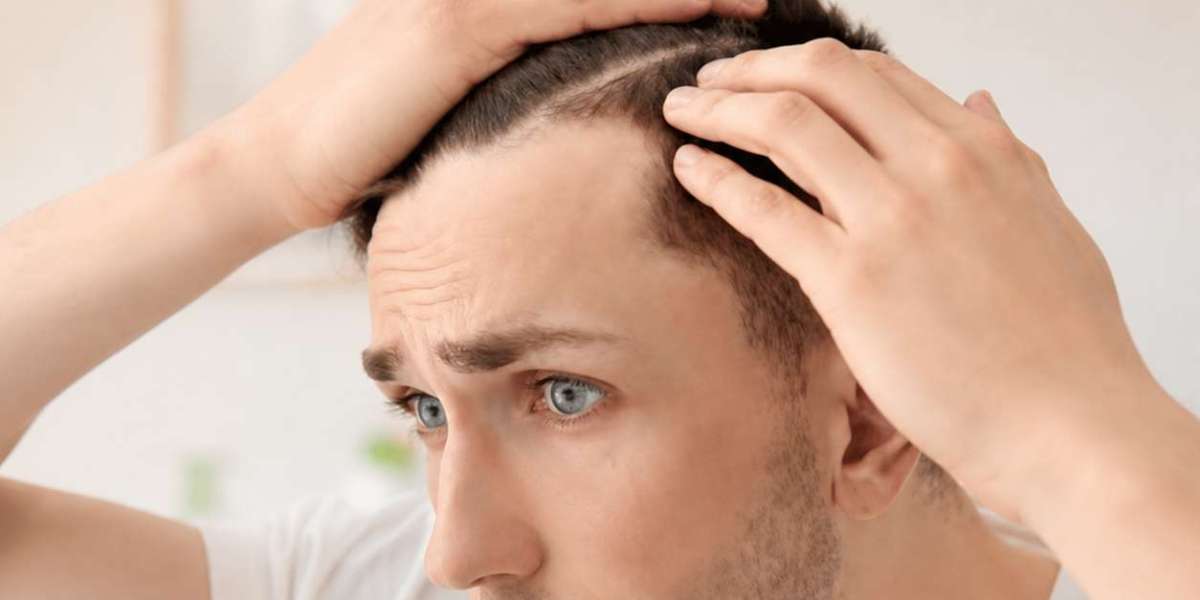
Noticing more hair in your brush, shower drain or on your pillow can be unsettling, and it often raises one urgent question: can this actually be stopped? The encouraging answer is that many types of hair loss can be slowed, controlled or even partly reversed when they are identified early and managed correctly. Guesswork and home remedies rarely work for long, which is why a structured approach matters. Choosing professional Hair Loss Treatment in Islamabad gives you access to proper diagnosis, medically guided therapies and ongoing monitoring that over-the-counter products simply cannot match.
Why Professional Treatment Matters?
Hair loss is not a single condition. It is a symptom with many possible causes, including genetics, hormonal changes, nutritional deficiencies, thyroid problems, stress, scalp infections, autoimmune conditions and certain medications. Treating the wrong cause wastes time and money, and during that delay more follicles may weaken or become inactive.A professional evaluation identifies what is actually driving your hair loss. Once the cause is known, treatment can be targeted rather than generic. This is the biggest advantage of seeing a qualified specialist: the plan is built around your scalp, your health history and your goals, rather than around a product that promises results for everyone.Early action is especially important. Hair follicles that are weakened but still alive can often be supported and strengthened. Follicles that have been inactive for many years are much harder to revive. The sooner you seek help, the more hair there is to protect.
Understanding the Common Types of Hair Loss
Knowing which type of hair loss you have helps explain why treatment differs from person to person.Androgenetic alopecia, often called pattern hair loss, is the most common form in both men and women. In men it typically shows up as a receding hairline or thinning at the crown, while in women it more often appears as widening of the part and overall thinning. It is influenced by genetics and hormones and tends to progress gradually without treatment.Telogen effluvium is a temporary shedding that happens when the body is under stress. Illness, surgery, childbirth, crash dieting or emotional strain can push many hairs into the resting phase at once, leading to noticeable shedding a few months later.Alopecia areata is an autoimmune condition that causes patchy hair loss, where the immune system mistakenly targets hair follicles. Scarring alopecias, scalp infections and traction-related loss are other, less common causes that require specific care.A specialist can usually tell these apart through examination of the scalp, a review of your history and, when needed, blood tests or other investigations.
The Diagnosis Process
A professional hair loss consultation begins with listening. You will be asked how long the shedding has been happening, whether it came on suddenly or gradually, whether anyone in your family has similar patterns, and what changes have occurred in your health, diet, stress levels or medications.The specialist then examines your scalp, looking at hair density, hair thickness, the condition of the skin and the pattern of loss. Magnified scalp examination can reveal miniaturizing follicles, inflammation or other signs that are not visible to the naked eye. Where necessary, blood tests may be recommended to check iron levels, vitamin levels, thyroid function and hormones.This stage should never feel rushed. A thorough diagnosis is the foundation of a treatment plan that actually works, and any clinic that recommends a procedure without understanding the cause deserves caution.
Medical Treatments That Help Slow Hair Loss
For many patients, treatment begins with medically established options that help protect and strengthen existing hair.Topical solutions applied to the scalp are commonly used to help stimulate follicles and extend the growth phase of the hair. They are widely used for pattern hair loss and are usually continued over the long term to maintain benefits.Oral medications may be prescribed for certain patients, particularly where hormones play a role. These must only be taken under medical supervision, since suitability depends on your gender, age, health and plans such as pregnancy.Nutritional support can matter greatly when a deficiency is part of the problem. Correcting low iron, vitamin or protein intake may allow hair to recover its normal cycle, especially in cases of stress-related shedding. Supplements should be guided by test results rather than taken blindly.Treating underlying conditions such as thyroid disease or scalp infections is equally important, since hair often improves once the root issue is controlled.
Advanced In-Clinic Procedures
Beyond medication, several professional procedures are used to support hair health and stimulate follicles.
Platelet-rich plasma therapy uses a concentrated preparation made from your own blood, which is then introduced into the scalp. It is intended to support follicle activity and improve the scalp environment. It is commonly offered as a series of sessions followed by maintenance visits.Mesotherapy involves delivering nutrients and active ingredients into the scalp through tiny injections, with the aim of nourishing the follicles and supporting healthier growth.Low-level laser therapy uses gentle light energy that is believed to stimulate cellular activity in the follicles. It is non-invasive and generally comfortable, and it is often used alongside other treatments.Hair transplantation is a surgical option for people with more advanced, stable hair loss who have enough healthy donor hair. It relocates follicles from denser areas to thinning or bald areas, and it is usually considered when other treatments cannot restore the desired density.Each of these options suits different situations, and results vary from person to person. A responsible specialist will explain what to expect rather than promising dramatic or guaranteed outcomes.
Why Results Take Time?
One of the most common frustrations is expecting quick results. Hair grows slowly, and the hair cycle runs on a timeline of months rather than weeks. Most treatments need consistent use for several months before visible improvement appears, and some people notice a brief increase in shedding early on as weaker hairs make way for new growth.Stopping treatment too soon is one of the main reasons people feel it did not work. For conditions such as pattern hair loss, ongoing maintenance is usually necessary, because the underlying tendency does not disappear. Patience, regular follow-up and honest tracking of progress through photographs can help you see changes that are easy to miss day to day.
Lifestyle Habits That Support Treatment
Professional treatment works best when your daily habits support it. A balanced diet with enough protein, iron, zinc and vitamins gives follicles the raw material they need. Crash diets and severe calorie restriction can trigger shedding, so steady, nutritious eating is far better for your hair.Managing stress through sleep, movement and relaxation also helps, since prolonged stress can disrupt the hair cycle. Gentle hair care matters too. Avoid tight hairstyles that pull on the roots, limit harsh chemical treatments and excessive heat styling, and use mild products suited to your scalp type.Quitting smoking and limiting crash habits can also benefit overall scalp circulation and health. These steps are not a replacement for medical treatment, but they strengthen its effect.
Mistakes to Avoid
Many people lose valuable time through avoidable errors. Relying only on random oils, viral home remedies or unregulated products can delay proper care. Switching treatments every few weeks prevents any approach from being given a fair chance. Taking medications or supplements without medical advice can cause side effects or mask the real problem.Another common mistake is ignoring sudden or patchy hair loss, which can signal an underlying medical issue. If the loss is rapid, painful, accompanied by scalp changes or occurs alongside other symptoms, professional evaluation should not be postponed.
How to Choose the Right Clinic?
The quality of your care depends heavily on where you go. Look for a clinic that emphasizes proper diagnosis, explains your options clearly and tailors recommendations to your situation. Qualified, experienced specialists, a hygienic facility and transparent communication about benefits, limitations and follow-up are all good signs.Be wary of clinics that guarantee permanent results, push expensive packages before examining you or avoid answering direct questions. A trustworthy provider will set realistic expectations, discuss alternatives and support you over the long term rather than treating you as a one-time sale.
Conclusion
Stopping hair loss starts with understanding why it is happening, and that requires professional assessment rather than guesswork. With an accurate diagnosis, a personalized plan that may combine medication, nutritional correction and in-clinic therapies, and a commitment to consistency, many people are able to slow shedding, strengthen existing hair and improve density over time. Results differ between individuals, and patience is essential, but acting early gives you the best chance of protecting the hair you have. If you are concerned about thinning or shedding, booking a consultation with a qualified specialist is the most sensible first step toward a clear plan and healthier hair.
Read More :
https://new.a-g.site/articles/14653-can-postpartum-hair-loss-be-treated-in-islamabad.html