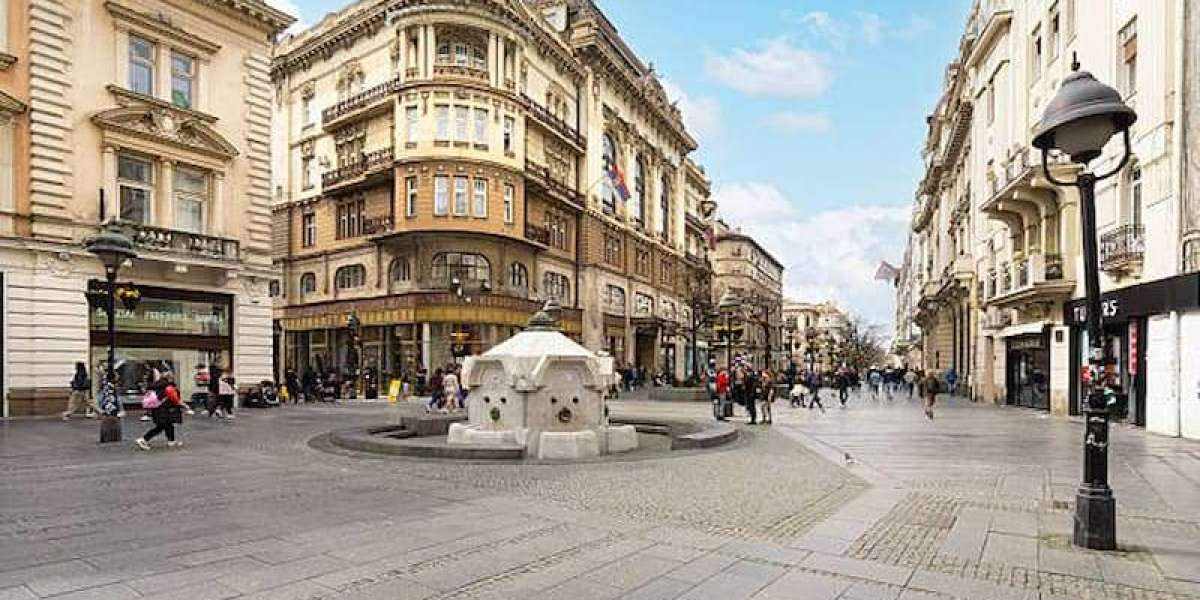
Serbia is one of Europe’s best-kept secrets, where centuries of history meet welcoming culture, hearty cuisine, and scenic landscapes. From medieval fortresses to cobblestone streets and riverside promenades, the country offers rich stories at every turn. If you're planning a Balkan getaway, a good Serbia travel guide will always point you toward the charming towns that preserve the country’s past while offering modern-day experiences. Exploring the Historic Towns in Serbia is like stepping into living museums—only with better food and friendlier locals.
At Go Kite Tours, we believe that the heart of Serbia is best understood through its towns, where traditions, architecture, and local life come together beautifully.
Novi Sad – Culture on the Danube
Often called the cultural capital of Serbia, Novi Sad is a delightful blend of history and creativity. The Petrovaradin Fortress, overlooking the Danube River, is the town’s most famous landmark. Built in the 17th century, it once served as a military stronghold and now hosts music festivals and art events.
The old town center is filled with pastel-colored buildings, cozy cafés, and lively squares. Walking through Zmaj Jovina Street feels like strolling through history, with Austro-Hungarian architecture telling stories of the past. Novi Sad shows how Historic Towns in Serbia manage to stay vibrant while honoring their heritage.
Subotica – Art Nouveau Beauty
Near the Hungarian border, Subotica stands out with its colorful architecture and multicultural atmosphere. The Town Hall and Synagogue are prime examples of Art Nouveau design, decorated with intricate details and bright ceramics.
Subotica’s history reflects a mix of Serbian, Hungarian, and Central European influences, which you can see in both the buildings and cuisine. Lake Palić, just outside town, offers a peaceful retreat with elegant villas and lakeside walks. This town proves that history doesn’t have to be grand castles alone—it can also be graceful design and cultural fusion.
Niš – A City of Ancient Stories
Niš is one of the oldest cities in Europe and a must for history lovers. Birthplace of Roman Emperor Constantine the Great, the city carries layers of Roman, Ottoman, and Serbian heritage.
Visit Niš Fortress, Skull Tower (Ćele Kula), and the archaeological site of Mediana to understand its dramatic past. Despite its heavy history, Niš has a lively modern side with cafés, music, and delicious southern Serbian food. It’s a powerful stop on any journey through the Historic Towns in Serbia.
Sremski Karlovci – Baroque Charm
Small but unforgettable, Sremski Karlovci feels like a storybook village. Its baroque buildings, wine cellars, and quiet squares create a romantic atmosphere. The town played an important role in Serbian religious and cultural history, and its Patriarchate Court and Orthodox Cathedral reflect that significance.
Wine lovers will enjoy tasting Bermet, a traditional Serbian dessert wine that once reached royal courts in Europe. This town is perfect for slow travel—wandering, tasting, and soaking up history.
Prizren-Like Vibe in Serbia? Visit Užice
Užice combines Ottoman-era heritage with scenic mountain surroundings. The old fortress above the town offers panoramic views, while nearby attractions like Tara National Park add natural beauty to the historical setting.
The mix of stone bridges, traditional houses, and green valleys creates a balanced travel experience. Towns like Užice show how Serbia blends culture with landscapes effortlessly.
Why These Towns Matter
These destinations aren’t just photo spots; they’re living communities that preserve centuries of stories. Exploring them gives travelers a deeper connection to Serbia’s identity—its resilience, diversity, and creativity.
Whether you’re wandering a fortress wall at sunset or enjoying coffee in a centuries-old square, each stop adds a meaningful chapter to your trip. The beauty of visiting the Historic Towns in Serbia lies in how personal the experience feels.
Travel Tips for Exploring Serbian Towns
- Wear comfortable shoes—cobblestone streets are charming but uneven.
- Try local bakeries for fresh pastries and burek.
- Learn basic Serbian greetings; locals appreciate the effort.
- Visit in spring or autumn for pleasant weather and fewer crowds.
Taking time to slow down and interact with locals turns sightseeing into storytelling.
Conclusion
Serbia’s historic towns offer more than monuments—they provide atmosphere, culture, and heartfelt hospitality. From riverside fortresses to elegant baroque squares, each place leaves a lasting impression. For travelers seeking culture, scenery, and authentic experiences, these towns are perfect gateways into Serbia adventure travel, where history and exploration go hand in hand. Discover Serbia’s past while making unforgettable memories with Go Kite Tours.
FAQs
1. What is the best time to visit historic towns in Serbia?
Spring (April–June) and autumn (September–October) offer comfortable weather and fewer tourists.
2. Are Serbian historic towns expensive to explore?
No, Serbia is generally affordable compared to many European destinations, especially for food and accommodation.
3. Is English widely spoken in Serbian towns?
Yes, especially among younger people and in tourist areas, making travel easy for international visitors.