As organizations accelerate digital transformation, securing access to applications, data, devices, and digital resources has become a strategic priority. The growing adoption of cloud services, hybrid IT environments, remote work models, and interconnected digital ecosystems is driving demand for advanced Access Management solutions that can provide secure, seamless, and contextual access.
QKS Group’s Access Management market research provides a comprehensive analysis of the global market, covering emerging technology trends, evolving market dynamics, competitive developments, and the future outlook for Access Management. The research helps technology vendors understand changing customer requirements and market opportunities while enabling enterprises to evaluate vendor capabilities, competitive differentiation, and market positioning.
Access Management Market Trends
Modern Access Management platforms are evolving beyond traditional authentication and authorization capabilities. Organizations increasingly require unified solutions that can manage access across cloud, on-premise, and hybrid environments while supporting employees, partners, customers, applications, devices, and other non-human identities.
Key Access Management market trends include the adoption of adaptive authentication, risk-based access controls, single sign-on (SSO), identity federation, privileged access controls, and continuous authentication. These capabilities help organizations strengthen security while simplifying access experiences for users.
The integration of artificial intelligence (AI) and behavioral analytics is also transforming Access Management. AI-driven solutions can analyze user behavior, contextual signals, and risk indicators to identify anomalous activities and support dynamic access decisions. Risk-based authentication enables organizations to adjust authentication requirements based on factors such as user behavior, device posture, location, application sensitivity, and detected threats.
Zero Trust and Access Management
The growing adoption of Zero Trust security is further increasing the strategic importance of Access Management. Zero Trust frameworks require organizations to continuously validate identities and enforce least-privilege access rather than relying solely on traditional network boundaries.
Access Management platforms can support this approach by applying contextual and adaptive access policies across distributed environments. By bringing authentication, authorization, session management, and access governance together, these platforms help organizations establish consistent security controls across their digital infrastructure.
As identity-based attacks become increasingly sophisticated, enterprises are also placing greater emphasis on continuous monitoring and identity threat detection. Access Management solutions that combine strong authentication with contextual risk analysis can help organizations respond more effectively to suspicious access activity.
Access Management Vendor Landscape
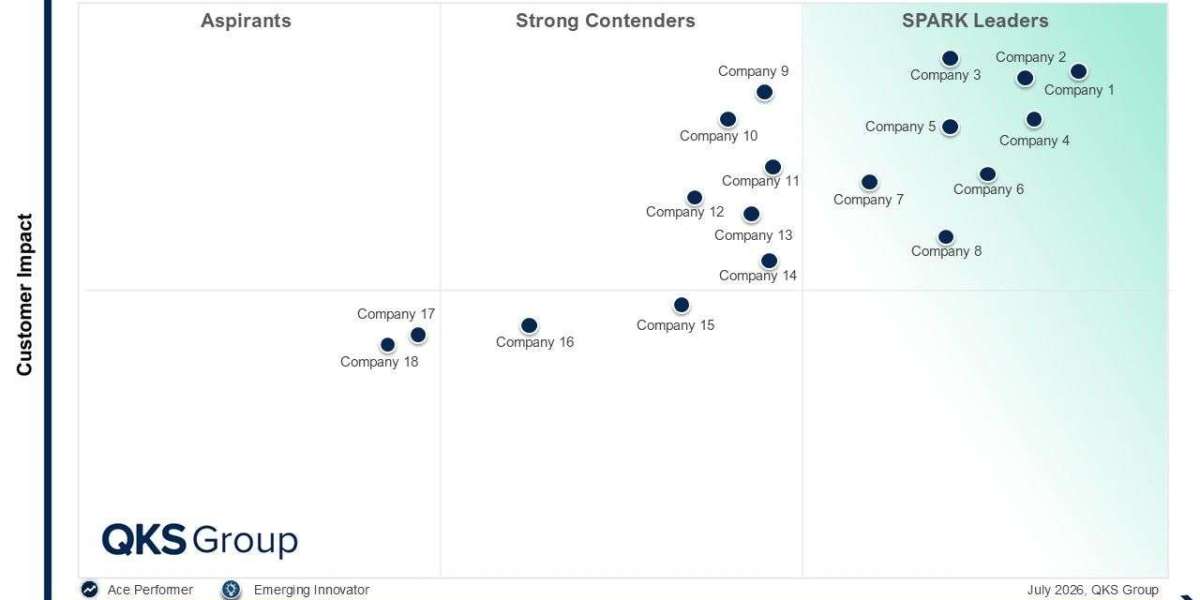
QKS Group’s research includes a detailed Access Management vendor evaluation using its proprietary SPARK Matrix™ analysis. The SPARK Matrix evaluates and positions leading vendors based on their technological capabilities and market impact, providing organizations with a structured view of the competitive landscape.
The Access Management SPARK Matrix includes vendors such as Entrust, Ergon, Eviden, Exostar, Fortinet, IBM, Idira (Palo Alto Networks), Microsoft, Okta, One Identity, OpenText, Oracle, Ping Identity, RSA, SecureAuth, Simeio, Systancia, and Thales.
This competitive analysis enables technology buyers to understand how vendors differentiate their Access Management offerings and identify capabilities aligned with their security, identity, compliance, and digital transformation requirements.
The Future of Access Management
According to Analyst at QKS Group, modern Access Management platforms are becoming foundational to identity security across increasingly distributed and hybrid IT environments. The convergence of authentication, authorization, SSO, and session management enables organizations to provide the right access to the right users and machines at the right time.
The future of Access Management technology will increasingly center on adaptive security, AI-driven behavioral analytics, contextual risk scoring, continuous authentication, and dynamic least-privilege enforcement. These capabilities can help organizations balance strong security with a seamless user experience.
With expanding digital ecosystems, regulatory requirements, and evolving identity-based threats, Access Management is expected to remain a critical component of enterprise security strategies. Organizations that adopt intelligent and adaptive access controls can strengthen governance, improve compliance, reduce identity-related risks, and establish greater trust across the digital enterprise.
Conclusion
The Access Management market is undergoing significant transformation as enterprises move toward Zero Trust, hybrid infrastructure, and identity-centric security. QKS Group’s Access Management market research provides strategic insights into market trends, emerging technologies, vendor capabilities, and competitive positioning.
Through the Access Management SPARK Matrix™, organizations can gain a structured understanding of the vendor landscape and make more informed technology decisions as they build secure, scalable, and future-ready identity environments.