
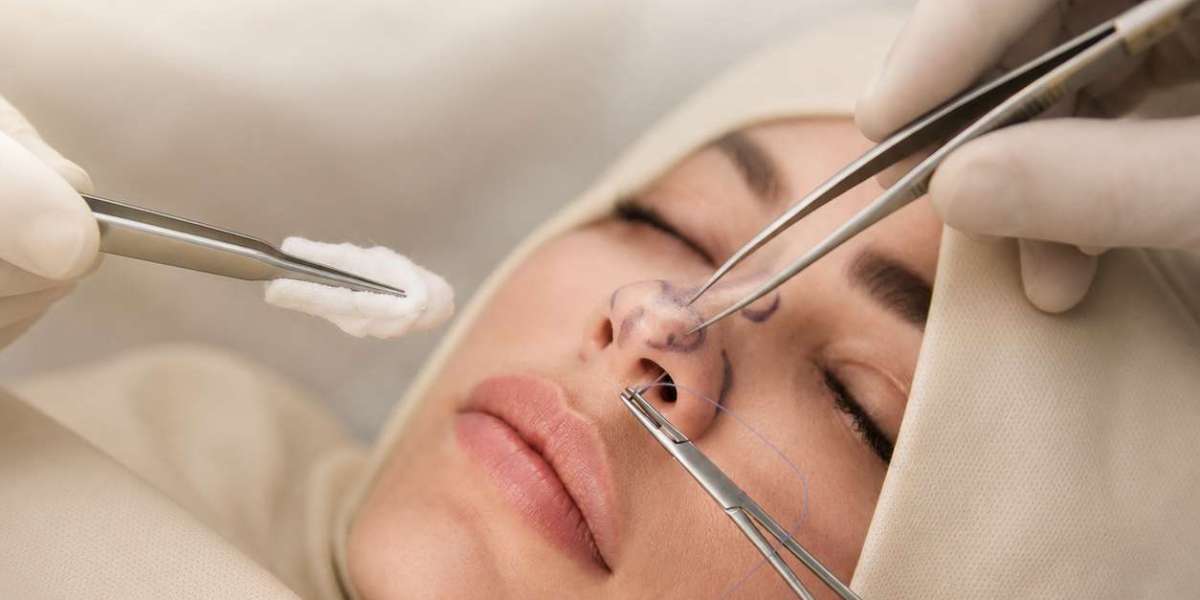
The size of a nose is not a single measurement. It is the combined result of bone, cartilage, soft tissue and skin, each contributing to what the eye perceives as width, length, projection and volume. When patients ask whether surgery can make the nose smaller, they are really asking which of these elements can be refined, and by how much. For those considering Rhinoplasty in Islamabad understanding this distinction is the first step toward realistic, well-planned results. In most cases the answer is yes, a nose can be reduced and refined, but the method depends on what is creating the size in the first place.
What "Smaller" Really Means in Surgical Terms?
Patients use the word "smaller" to describe very different concerns. Some feel the nose is too wide at the bridge. Others notice a prominent hump, a bulbous tip, flared nostrils, or a nose that projects too far from the face. Each of these calls for a different technique, and a reduction in one area can change how another area looks.A skilled surgeon therefore avoids thinking about "reducing" the nose as a whole. The goal is to restore proportion: removing what is excessive, reshaping what is irregular, and preserving the structural support that keeps the nose functioning well. A nose that is simply made smaller without regard to balance often looks undersized or unnatural, and may breathe poorly.
How Surgeons Assess the Nasal Framework
A thorough evaluation examines each component of the nose individually before considering how they work together.
The nasal bones. The upper third of the nose is bony. Surgeons assess how wide the bones are, how they meet at the midline, and whether a dorsal hump or asymmetry is present. Wide or uneven bones may require controlled repositioning, while a prominent hump involves careful reduction of the bony ridge.
The cartilage. The lower two thirds of the nose are shaped by cartilage, which determines much of the nose's contour and flexibility. The upper and lower lateral cartilages influence the width of the mid-nose and the definition of the tip. Their strength, thickness and symmetry guide how much reshaping is possible without weakening support.
The septum. The septum is the internal wall dividing the nasal passages. It is both a structural pillar and a functional element. A deviated septum can affect breathing and can also make the external nose appear crooked. Assessment of the septum helps determine whether it needs to be straightened and whether some of its cartilage is available as grafting material.
The nasal tip. The tip is often the most delicate area. Surgeons look at its projection, rotation, width and definition, and at how thick or thin the overlying skin is. A broad or rounded tip may be refined by reshaping the underlying cartilage, but thick skin can limit how sharply the tip can be defined.
The bridge. The bridge, or dorsum, connects the forehead to the tip. Its height, width and straightness affect both profile and front-facing appearance. A smooth, proportionate bridge is essential for a harmonious result, and even small adjustments here can noticeably change how large the nose appears.
Reading the Nose Within the Face
A nose is never assessed in isolation. Surgeons study the face in profile and from the front, considering the relationship between the nose and the forehead, eyes, cheekbones, lips and chin. A recessed chin, for example, can make a nose appear larger than it is, and in some cases this changes the surgical plan. The angle between the nose and the upper lip, the width of the nose relative to the space between the eyes, and the overall facial shape all inform what size and shape will look natural.Skin quality is a further consideration. Thin skin tends to reveal underlying structure, while thick skin may drape less precisely over a reduced framework. This is one reason two patients with similar noses may need different approaches and can expect different degrees of change.
Rhinoplasty in Islamabad: The Procedure in Logical Stages
Although every operation is individualized, rhinoplasty follows a logical sequence in which each stage serves a specific purpose.
Consultation and planning. The process begins with a detailed discussion of goals, a physical examination and photographic analysis. The purpose is to align expectations with anatomical reality and to establish a clear surgical plan before any incision is made.
Anesthesia and preparation. Rhinoplasty is typically performed under general anesthesia, which ensures comfort and allows the surgeon to work with precision. Careful preparation of the surgical field supports safety and accurate visualization.
Access to the framework. The surgeon reaches the nasal structure through either a closed approach, with incisions hidden inside the nostrils, or an open approach, which adds a small incision across the columella. The purpose of this stage is exposure: seeing the cartilage and bone clearly enables accurate, controlled changes. The choice depends on the complexity of the case and the surgeon's judgment.
Reshaping the bone and cartilage. This is the stage most directly linked to making the nose smaller. A dorsal hump may be gently refined, wide bones may be repositioned through carefully placed cuts, and tip cartilage may be reshaped or sutured to narrow and define the tip. The purpose is to reduce excess while keeping structural integrity.
Septal correction and support. If the septum is deviated, it is straightened to improve both breathing and symmetry. Where reduction has weakened support, cartilage grafts may be placed to stabilize the nose. The purpose of this stage is to ensure that a refined nose is also a functional and durable one.
Redraping the skin and closing. The skin and soft tissue are laid back over the new framework and the incisions are closed. The purpose is to allow the tissues to settle against the revised structure and to begin healing in the intended shape.
Splinting and recovery. A splint and sometimes internal supports protect the nose as it heals. Swelling subsides gradually, and the refined contour emerges over many months as tissues settle. Patience at this stage is part of the process, because early swelling can disguise the final result.
What Limits How Much a Nose Can Be Reduced?
There are natural boundaries to reduction. Removing too much cartilage or bone can compromise breathing, cause collapse of the nasal sidewalls, or produce an over-operated appearance. Skin that is thick or lacks elasticity may not contract fully over a smaller framework. For this reason, responsible surgeons favor conservative, structure-preserving techniques rather than aggressive removal, and they will tell patients candidly when a desired change is not achievable.Results also vary from person to person, and no surgeon can offer guarantees. What a well-planned operation can offer is a nose that is better proportioned, more refined and in harmony with the face.
Conclusion
Rhinoplasty can make a nose appear smaller, but the more meaningful goal is a nose that is balanced. By assessing the nasal bones, cartilage, septum, tip, bridge and the surrounding facial proportions, a surgeon identifies precisely where size or shape can be refined and where structure must be preserved. Each stage of the procedure, from planning to recovery, serves a deliberate purpose in achieving that balance safely. For anyone exploring Rhinoplasty in Islamabad, the most valuable step is an unhurried consultation in which goals, anatomy and realistic outcomes are discussed openly. That conversation, more than any single technique, is what leads to a result that looks natural and feels right.