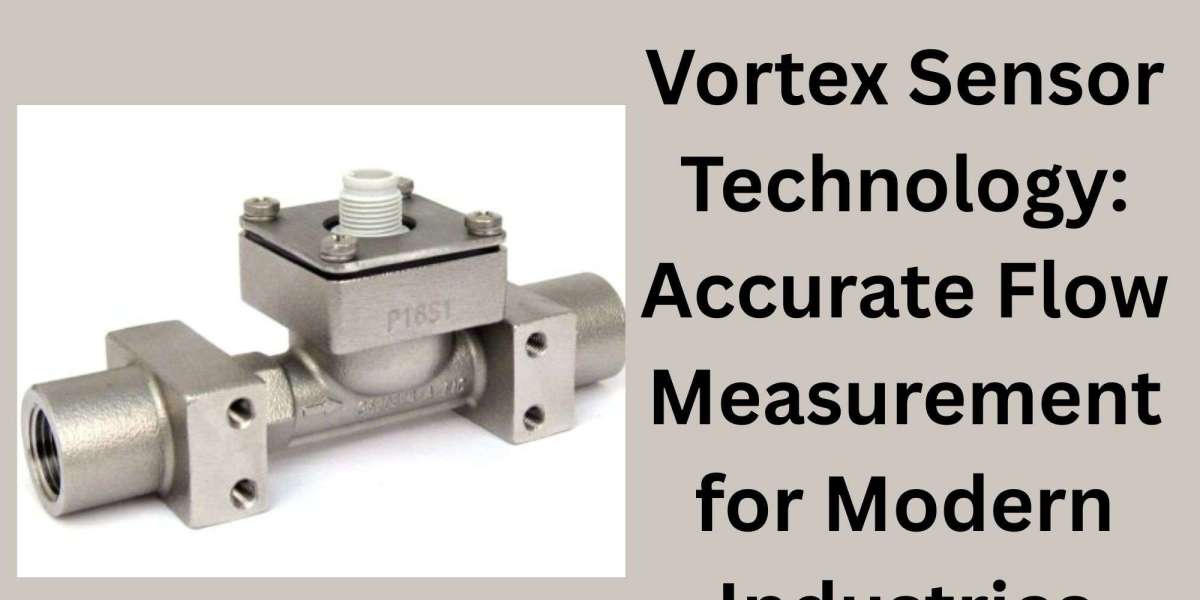
Modern flow measurement systems rely on advanced technology to deliver accurate and consistent readings, and one widely used option is the vortex sensor for monitoring liquids, gases, and steam. This technology operates by detecting the vortices created when a fluid flows past a bluff body within the sensor. These swirling patterns occur at predictable frequencies, allowing the device to convert them into measurable flow data.
The core function of this technology is to maintain reliability even in demanding industrial environments. Because it is designed without moving parts, vortex-based measurement remains stable over time and prevents common issues such as wear, friction, and sensitivity to temperature variations. This makes it suitable for both small-scale applications and large industrial systems.
1. How Vortex Sensors Measure Flow with Precision
Vortex sensors measure flow by accurately detecting the frequency at which vortices form behind an obstruction in the fluid's path. This frequency is directly proportional to the fluid velocity, enabling sensors to generate precise data even under varying flow rates. The process is highly efficient and consistent, making it ideal for critical operations.
These sensors also perform well in environments where temperature and pressure may fluctuate. Their ability to maintain accuracy without constant recalibration reduces downtime and ensures stable readings throughout continuous operations.
2. Key Components and Working Principles of Vortex Sensors
A typical vortex sensor includes a bluff body, a sensing element, and an electronic signal processor. The bluff body creates alternating vortices as the fluid flows past it, while the sensing element detects these vortex pulses. The electronic component then converts the pulse frequency into flow measurements that can be displayed or transmitted to a control system.
The working principle focuses on fluid dynamics and the predictable relationship between flow velocity and vortex formation. This makes vortex sensors particularly suitable for applications where consistent, repeatable measurements are essential, regardless of fluid type or temperature variations.
3. Industries That Rely on Vortex Sensors for Reliable Flow Monitoring
Many industries depend on vortex technology for accurate flow monitoring, including chemical processing, energy production, water treatment, and HVAC systems. These sectors require precise measurement to ensure efficiency, safety, and regulatory compliance. Vortex-based instruments are valued for their durability and ability to handle a wide range of fluids.
Industrial plants also use them to monitor steam flow, a critical function for power generation and heating systems. Their compatibility with both clean and slightly contaminated fluids makes them a versatile choice for numerous operations.
4. Advantages of Using Vortex Sensors Over Other Flow Measurement Devices
One major advantage of these sensors is their lack of moving parts, which significantly reduces maintenance and prolongs service life. With fewer components susceptible to damage, they provide reliable performance even in challenging environments. This helps companies minimise downtime and repair costs.
Another benefit is their ability to deliver precise readings across a wide range of temperatures and pressures. This level of versatility makes them more adaptable compared to many traditional flow meters, especially in high-demand industrial settings.
5. Common Challenges and Maintenance Tips for Vortex Sensor Systems
Although vortex sensors are durable, they can still encounter challenges, such as buildup on the bluff body or vibration-induced interference in the pipeline. Regular inspection helps minimise these issues and ensures the device continues to operate accurately. Following manufacturer guidelines is essential for maintaining long-term performance.
Routine cleaning of the sensor area and periodic calibration checks also contribute to reliable operation. Even though these devices require less maintenance than many alternatives, proper care ensures optimal performance in critical processes.
6. Factors to Consider When Selecting the Right Vortex Sensor
Choosing the right vortex-based device requires evaluating factors such as fluid type, temperature range, pressure levels, and installation environment. Each application has unique requirements, so understanding your system’s needs is crucial for selecting the most effective model. This helps ensure accurate readings and long-term durability.
You should also consider compatibility with your existing control systems and any specific safety or certification requirements. By aligning these factors with your operational goals, you can ensure optimal flow measurement performance.
7. Our Vortex Sensor Solutions: Expert Support for Your Industrial Needs
We provide high-quality vortex flow measurement solutions designed to deliver accuracy and reliability across a wide range of industrial applications. Our team focuses on offering systems that suit your operational needs, from selecting the right sensor to ensuring seamless installation and performance. Every solution is designed for durability and long-term efficiency.
With expert guidance and dedicated support, we help industries achieve consistent and precise flow monitoring. Our services are tailored to meet your process requirements, ensuring you get dependable technology backed by professional assistance.