Most people think addiction only involves drugs or alcohol. But you can become addicted to behaviors too. These are called behavioral addictions, and they can hurt your mental health just like substance addictions do. Understanding these addictions can help you or someone you love get the right help.
What Is a Behavioral Addiction?
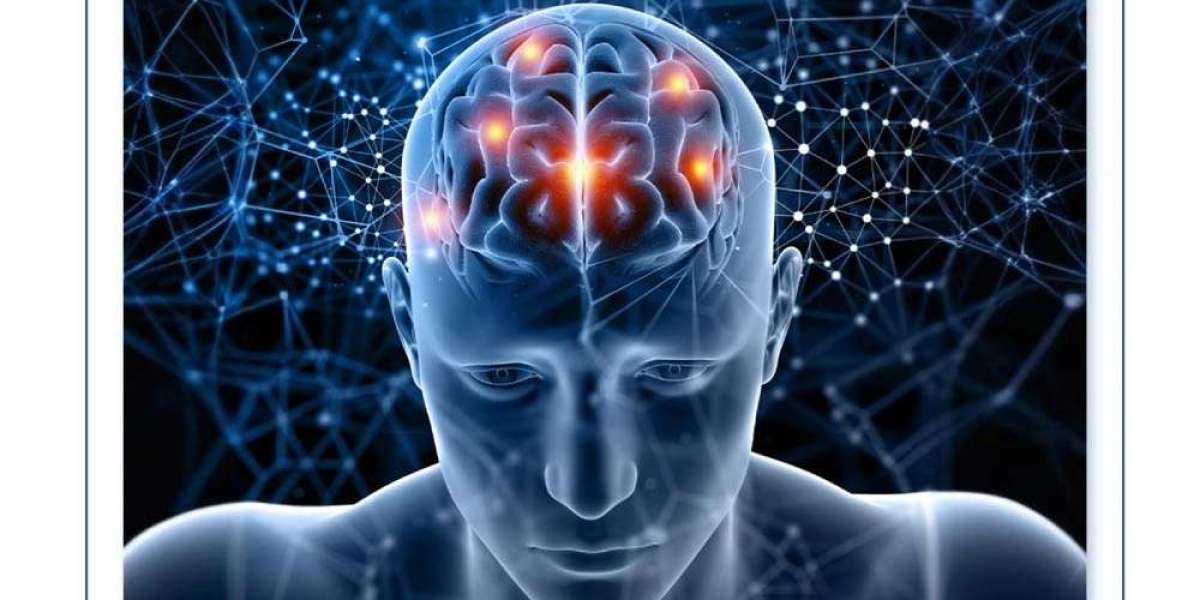
A behavioral addiction happens when someone cannot stop doing a certain activity, even when it causes problems in their life. The person feels a strong urge to do the behavior over and over. They might feel anxious or upset when they cannot do it. Unlike addictions to drugs, behavioral addictions do not involve putting substances into your body. Instead, the brain gets hooked on the good feelings that come from certain actions.
The brain releases feel-good chemicals when the person does the behavior, and they want that feeling again and again. Over time, the person needs to do the behavior more and more to feel good. They might ignore their work, family, or health to keep doing it. This is when a normal hobby or habit becomes an addiction that needs treatment.
Gaming Addiction
Video game addiction is becoming more common, especially among young people. Playing video games can be fun and relaxing. But some people play so much that it takes over their lives. People with gaming addiction might play for many hours every day. They skip meals or lose sleep to keep playing. They might stop spending time with friends or family. Their grades or work performance might drop because they think about games all the time.
Gaming addiction affects mental health in several ways. People might feel depressed or anxious when they are not playing. They might become angry or irritable if someone tries to stop them. Some people use gaming to escape from real-life problems, which makes those problems worse over time. The good news is that gaming addiction can be treated. Therapy can help people learn to control their gaming habits and find healthier ways to have fun and relax.
Shopping Addiction
Shopping feels good for most people. Buying something new can make you happy for a little while. But for some people, shopping becomes an addiction they cannot control. People with shopping addiction buy things they do not need. They might spend money they do not have. They shop to feel better when they are sad or stressed.
After shopping, they might feel guilty or ashamed, but they keep doing it anyway. This behavioral addiction can cause serious money problems. People might go into debt or struggle to pay their bills. Relationships can suffer when family members get upset about the spending. The person might hide their purchases or lie about how much they spent.
Shopping addiction often connects to other mental health issues like depression or anxiety. People shop to feel better temporarily, but the relief does not last. They end up feeling worse, which makes them want to shop more. Breaking this cycle requires professional help and support.
Internet and Social Media Addiction
Almost everyone uses the internet and social media today. These tools help us stay connected and informed. But spending too much time online can become an addiction. People with internet addiction constantly check their phones or computers. They feel anxious when they cannot get online. They might stay up late scrolling through social media instead of sleeping.
Real-life relationships might suffer because they spend more time with online friends than real ones. Social media addiction can hurt self-esteem. People compare themselves to others and feel bad about their own lives. They might feel left out when they see others having fun.
Some people become so focused on getting likes and comments that they forget to enjoy real moments. This addiction can lead to feelings of loneliness, even though the person is always connected online. It can cause depression and anxiety. Sleep problems are common too, which makes mental health issues worse. Learning to use the internet in healthy ways is important for overall wellbeing.
Gambling Addiction
Gambling addiction is one of the most serious behavioral addictions. It can destroy finances, relationships, and mental health. People with this addiction feel they must keep gambling, even when they lose money over and over. The excitement of gambling can be very powerful. When someone wins, their brain releases chemicals that make them feel amazing.
They chase that feeling by gambling more. But gambling is designed so most people lose, which leads to bigger problems. People with gambling addiction might borrow money or steal to keep gambling. They lie to family and friends about their gambling. They might lose their jobs or homes.
The stress and shame can lead to severe depression. Some people even think about hurting themselves because they feel so hopeless. Gambling addiction needs serious treatment. Support groups and therapy can help people stop gambling and rebuild their lives. The sooner someone gets help, the better their chances of recovery.
Food Addiction and Overeating
Food addiction is different from just enjoying good food. People with this behavioral addiction use food to cope with emotions. They might eat large amounts even when they are not hungry. They feel out of control around certain foods. This addiction often involves foods high in sugar, salt, or fat.
These foods trigger strong reactions in the brain, similar to drugs. People might eat in secret or feel ashamed about their eating. They might try to diet many times but cannot stick to it. Food addiction affects both physical and mental health. It can lead to weight gain and health problems like diabetes or heart disease.
People might feel depressed about their weight or eating habits. Low self-esteem and body image issues are common. Some people isolate themselves because they feel embarrassed. Treatment for food addiction often includes therapy, nutrition counseling, and sometimes medical help. Learning healthy ways to cope with emotions is key to recovery.
Exercise Addiction
Exercise is usually healthy, but it can become an addiction. People with exercise addiction feel they must work out every day, even when they are sick or injured. They feel guilty or anxious if they miss a workout. This addiction can cause physical problems like constant injuries or extreme tiredness.
People might exercise so much that they neglect other parts of life. They might skip social events or work to exercise instead. Exercise addiction often connects to body image issues and eating disorders. People might exercise to punish themselves for eating. They might have unrealistic ideas about how their body should look. The constant pressure to exercise can cause anxiety and depression.
Work Addiction
Some people become addicted to working. They work long hours every day, even when they do not need to. They think about work all the time and feel anxious when they are not working. Work addiction can seem like a good thing because society values hard work.
But this behavioral addiction harms mental health and relationships. People might burn out or develop serious stress-related health problems. Family members might feel neglected or unimportant. People with work addiction might use work to avoid dealing with personal problems or emotions. They might feel their value comes only from being productive. Learning to balance work with rest and relationships is important for recovery.
Getting Help for Behavioral Addictions
If you or someone you love struggles with a behavioral addiction, know that help is available. These addictions are real mental health conditions that respond to treatment. Therapy can help people understand why they developed the addiction and learn healthier coping skills.
Support groups connect people with others facing similar challenges. In some cases, medication might help with underlying mental health issues like depression or anxiety. The first step is recognizing the problem. If a behavior is causing problems in your life but you cannot stop, that is a sign you might need help.
Talk to a doctor or mental health professional. They can evaluate your situation and recommend the best treatment. Recovery is possible. Many people successfully overcome behavioral addictions and go on to live happy, healthy lives. With the right support and treatment, you can too. Do not wait to reach out for help. The sooner you start, the sooner you can feel better and take control of your life again.