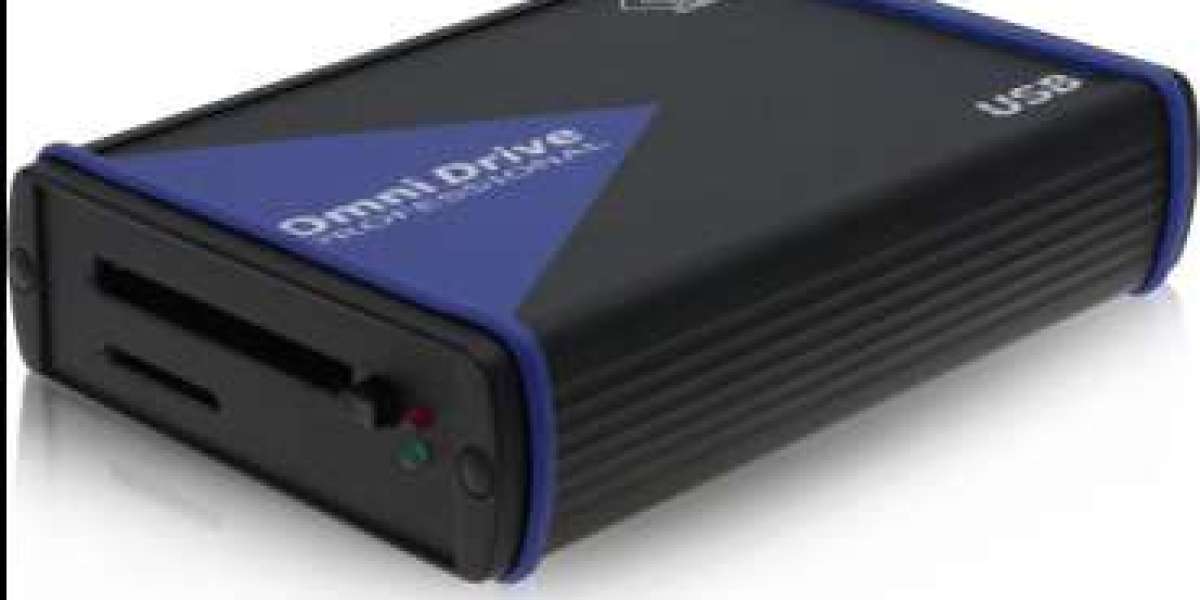
When integrating flash storage into industrial or embedded systems, choosing the right CompactFlash SD Reader PCB is critical. Whether you're upgrading legacy hardware, designing a new embedded device, or maintaining industrial automation systems, the wrong reader board can lead to compatibility issues, data instability, or premature failure.
If you're planning to buy a CompactFlash SD Reader PCB online, here are the key features you must compare before making a decision.
- Interface Type (USB 2.0 vs Direct IDE / Embedded Interface)
The first feature to evaluate is the interface type.
Most CompactFlash SD reader PCBs connect via:
- USB 2.0 interface (common for industrial PCs and service access)
- IDE / ATA interface (for legacy embedded systems)
- Internal USB header integration (for embedded boards)
Why it matters:
- USB 2.0 ensures plug-and-play compatibility
- IDE/ATA may be required for older industrial motherboards
- Internal USB PCB modules simplify embedded integration
Always confirm that the reader PCB matches your host system interface.
- Card Compatibility (CF Type I/II & SD Standards)
Not all reader boards support every flash card type.
Verify compatibility with:
- CompactFlash Type I
- CompactFlash Type II
- SD / SDHC / SDXC cards
- Industrial-grade flash memory
Some low-cost boards only support consumer SD cards, which may not be suitable for industrial automation environments.
- Industrial-Grade Design & Durability
In automation and embedded applications, durability is essential.
Compare:
✔ PCB build quality
✔ Connector strength
✔ Industrial temperature range
✔ Shock and vibration resistance
Consumer-grade card readers may work temporarily but can fail under continuous industrial operation.
- Power Supply & Voltage Compatibility
Industrial systems may operate at different voltage levels. Ensure the PCB:
- Supports stable 5V USB power
- Has proper voltage regulation
- Protects against voltage spikes
Poor power design can cause data corruption or system instability.
- Data Transfer Stability & Error Handling
Speed is less important than data stability in industrial environments.
Look for:
- Stable USB controller chipset
- Error correction support
- Reliable firmware
- Continuous read/write stability
A stable data connection is critical for PLC programming, firmware updates, and embedded system storage.
- Physical Form Factor & Mounting Options
Before buying online, check:
- PCB dimensions
- Mounting hole positions
- Cable orientation
- Internal or external access configuration
This is especially important when integrating into compact IPCs or embedded enclosures.
- Operating System Compatibility
Ensure compatibility with:
- Windows 10 / 11
- Linux (common in embedded automation systems)
- Driver-free plug-and-play support
Industrial integrators should prioritize reader PCBs that work without complex driver installations.
- Multi-Card Flexibility
Some CompactFlash SD reader PCBs allow switching between CF and SD depending on system requirements.
Benefits include:
- Greater design flexibility
- Simplified inventory management
- Future-proof storage expansion
- Long-Term Availability & Lifecycle Support
Industrial automation systems often remain operational for 10–15+ years.
When buying a CompactFlash SD Reader PCB online, choose a supplier that offers:
✔ Long product lifecycle
✔ Consistent part numbers
✔ Technical documentation
✔ Replacement availability
This ensures continuity for maintenance and future system upgrades.
- Supplier Reliability & Technical Documentation
A trustworthy industrial supplier should provide:
- Clear product specifications
- Electrical diagrams
- Compatibility notes
- Technical support access
Avoid generic listings without detailed documentation.
Final Comparison Checklist
Before adding to cart, confirm:
- ✔ Correct interface type
- ✔ CF & SD compatibility
- ✔ Industrial build quality
- ✔ Voltage stability
- ✔ OS support
- ✔ Mounting compatibility
- ✔ Long-term availability
Making the right choice ensures smooth integration, reliable storage performance, and reduced downtime.
Conclusion
When buying a CompactFlash SD Reader PCB online, focus on compatibility, durability, and long-term reliability — not just price.
Industrial and embedded systems demand stable storage solutions. By comparing these key features carefully, you can select a reader PCB that ensures seamless integration and dependable performance in automation environments.
Read More: https://tecsysproductguides.blogspot.com/2026/02/key-features-to-compare-when-buying.html