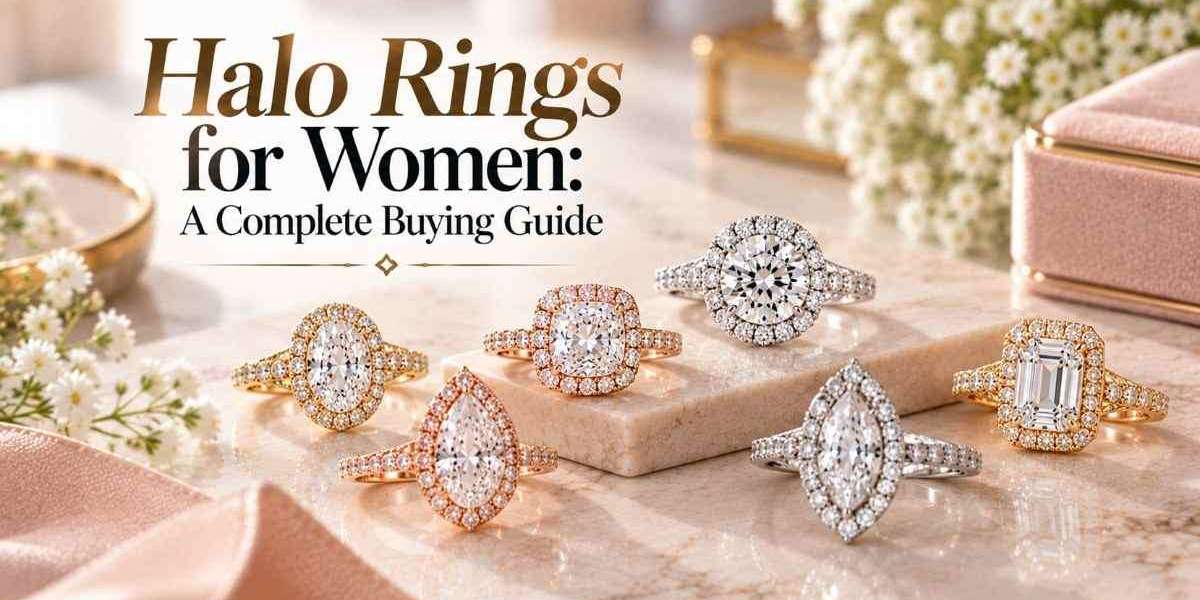
A halo ring surrounds a center diamond with a circle of smaller accent stones, adding brightness and visual size that a single stone alone can't deliver at the same budget. It's one of the most enduringly popular engagement ring styles for exactly this reason, genuine visual payoff without requiring the largest possible center stone. This guide walks through everything worth knowing before choosing one, from how the style actually works through the specific decisions that shape your final piece.
What Makes a Halo Ring Different
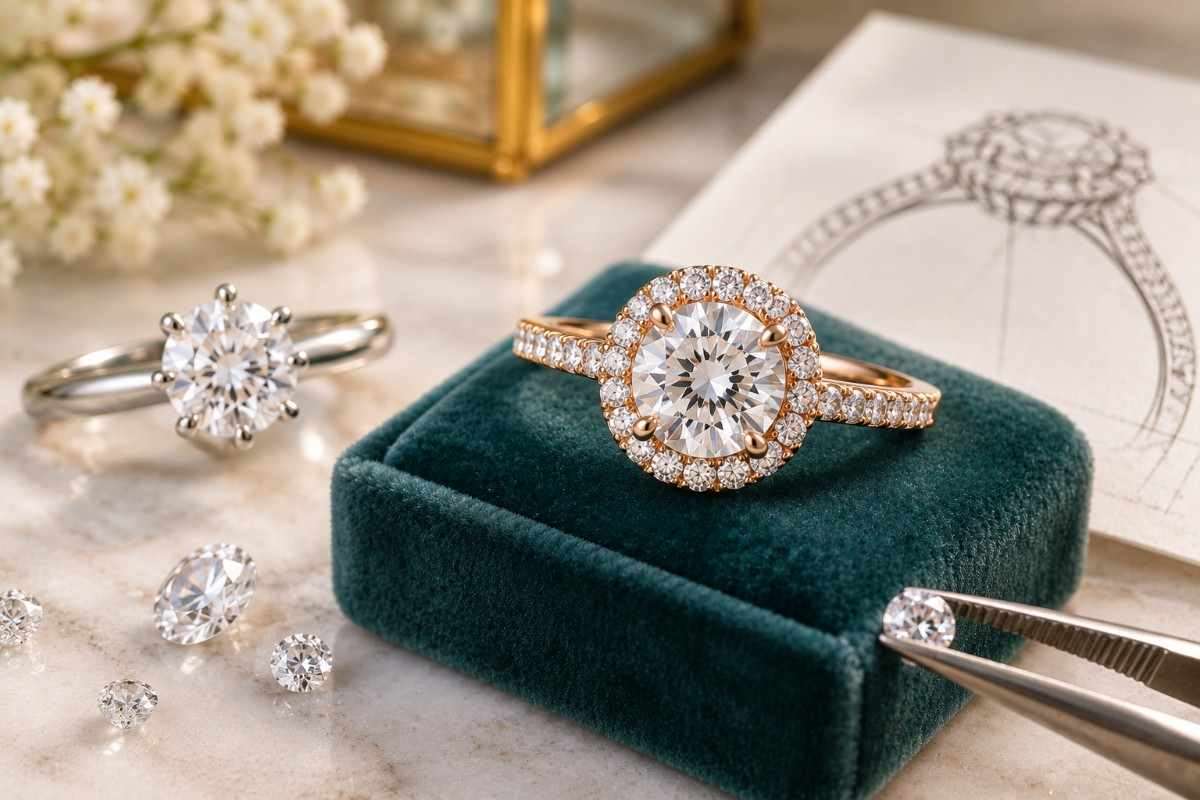
A halo setting surrounds the center stone with a ring of smaller diamonds, typically secured with their own small prongs, creating a combined visual effect considerably larger and brighter than the center stone would deliver alone. This is the style's core appeal: more apparent size and brilliance per dollar spent, since the accent stones do real visual work rather than functioning as purely decorative detail.
The construction itself adds genuine structural reinforcement too, the surrounding metalwork and accent prongs support the center stone from multiple additional points, beyond what a plain solitaire's prongs alone provide.
Is a Halo Ring Still Popular?
Yes, genuinely so. Halo settings have remained among the top-selling engagement ring styles for well over a decade, with sustained demand rather than the sharp rise-and-fall pattern typical of shorter-lived trends. What's changed is the specific execution, smaller, more refined accent stones have largely replaced the larger, more maximalist halos common in earlier years, and hidden halo variations have emerged as a genuinely popular, subtler alternative.
For the complete picture of how the style has evolved and where it stands today, see our dedicated guide on whether halo rings are still in style.
Choosing Your Center Stone Shape
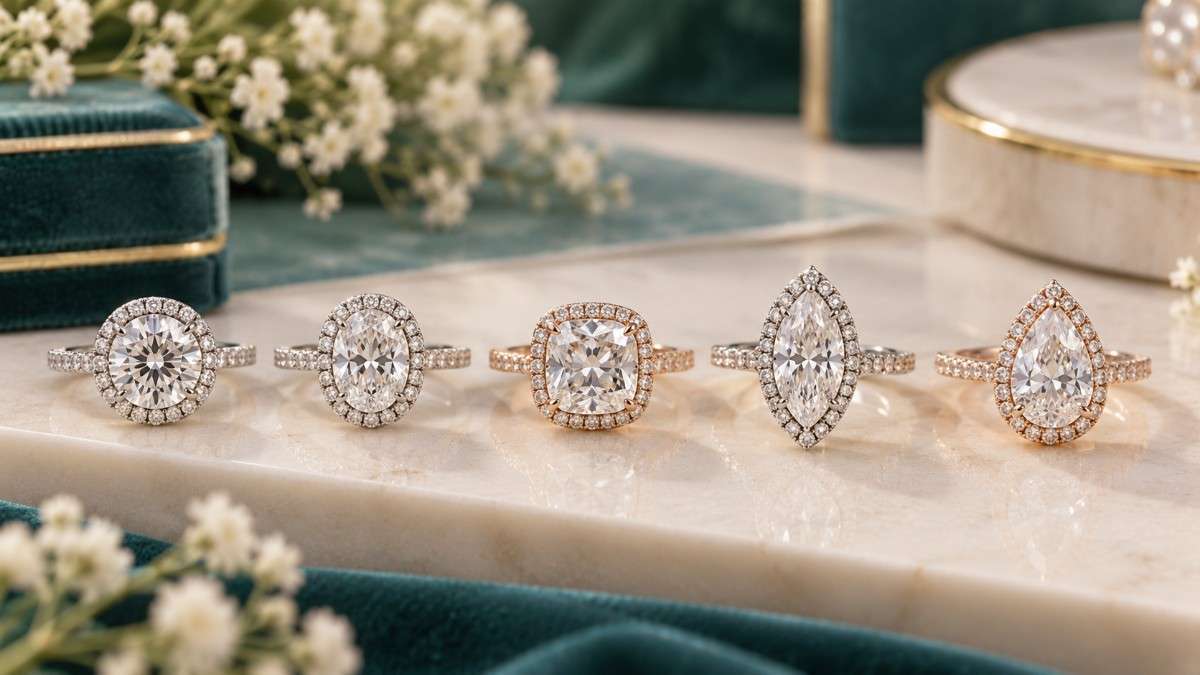
Every major diamond shape pairs with a halo setting, though the visual result differs meaningfully depending on which one you choose. Round center stones create the most classic, symmetrical halo appearance. Oval and cushion shapes offer a softer, slightly more contemporary silhouette. Marquise and pear shapes create a more distinctive, elongated look, where the surrounding halo specifically helps visually balance and anchor the shape's more dramatic proportions.
Shape choice also interacts with structural considerations for certain stones, pointed shapes like marquise specifically benefit from a halo's added reinforcement near their vulnerable tips, beyond the purely aesthetic payoff.
Traditional Halo vs. Hidden Halo
Not every halo looks the same from the outside. A traditional halo sets accent stones fully visible around the center stone, immediately obvious from every angle. A hidden halo tucks those same accent stones beneath the center stone instead, visible mainly from the side, creating a subtler, more solitaire-like appearance from straight on.
If maximum visual size and immediate brilliance matter most to you, a traditional halo delivers that more directly. If you're drawn to a more minimal daily look with a personal, somewhat private detail, a hidden halo offers that combination instead. For the complete comparison, including practical differences in cleaning access and perceived size boost, see our guide on halo vs hidden halo rings.
Halo vs. Solitaire: Which Should You Choose
This is one of the most common decisions buyers weigh once they've narrowed down budget and diamond quality. A solitaire offers simplicity, lower cost for the same center stone quality, and easier daily maintenance. A halo offers greater perceived size, additional brilliance, and a fuller overall aesthetic, typically at a higher total cost and with a somewhat more involved care routine.
Neither is objectively better, they serve genuinely different priorities. For the full side-by-side breakdown across cost, perceived size, brilliance, and maintenance, see our complete comparison of solitaire versus halo rings.
Choosing Metal Tone for Your Halo
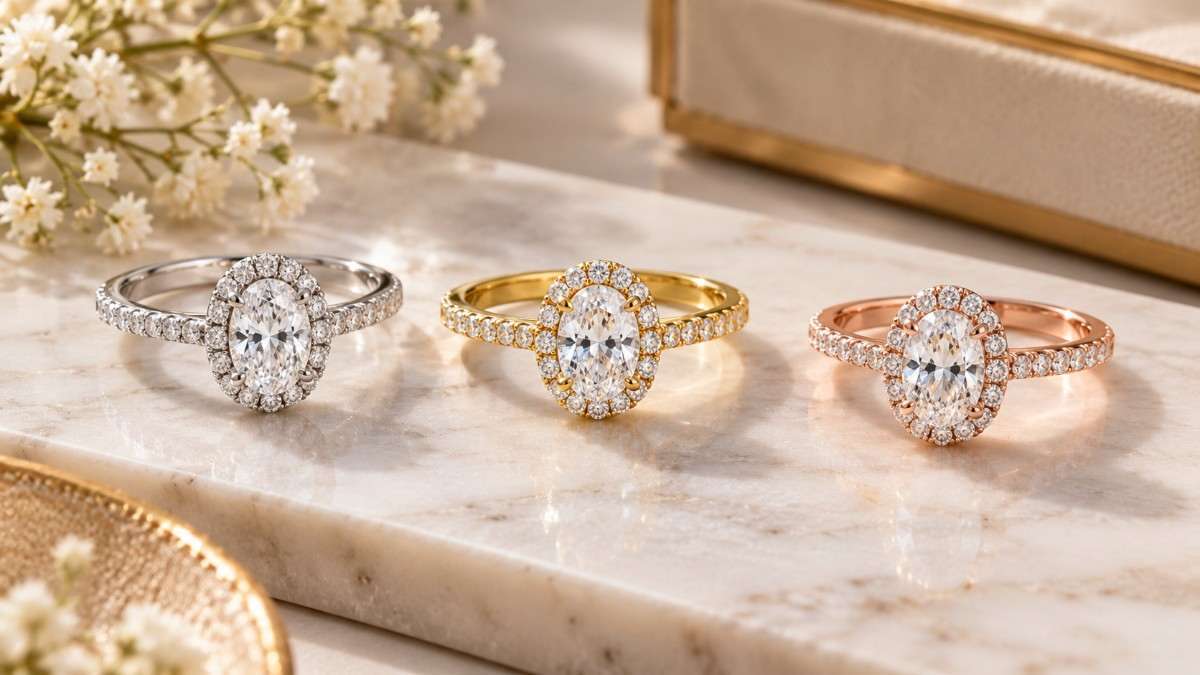
Metal choice shapes a halo ring's overall impression as much as the diamonds themselves. White gold and platinum create a bright, cool backdrop that makes the entire halo read crisp and luminous. Yellow gold offers a warmer overall impression, while rose gold has grown considerably in popularity for halo settings specifically, adding a romantic quality that complements the style's already fuller, more detailed silhouette.
Matching your ring's metal tone to what you already wear daily tends to produce the most naturally integrated result, rather than choosing metal in isolation from your existing jewelry.
Considering Lab-Grown Diamonds for Your Halo
Since a halo's total carat weight includes both the center stone and every surrounding accent diamond, lab-grown diamonds offer particularly meaningful value here. Choosing lab-grown for a halo design often means genuinely more total sparkle for your budget, a larger center stone, a higher grade, or simply more comfortable room in your spending plan, compared to an equivalent halo built entirely from mined stones.
Does a Halo Ring Need More Maintenance?
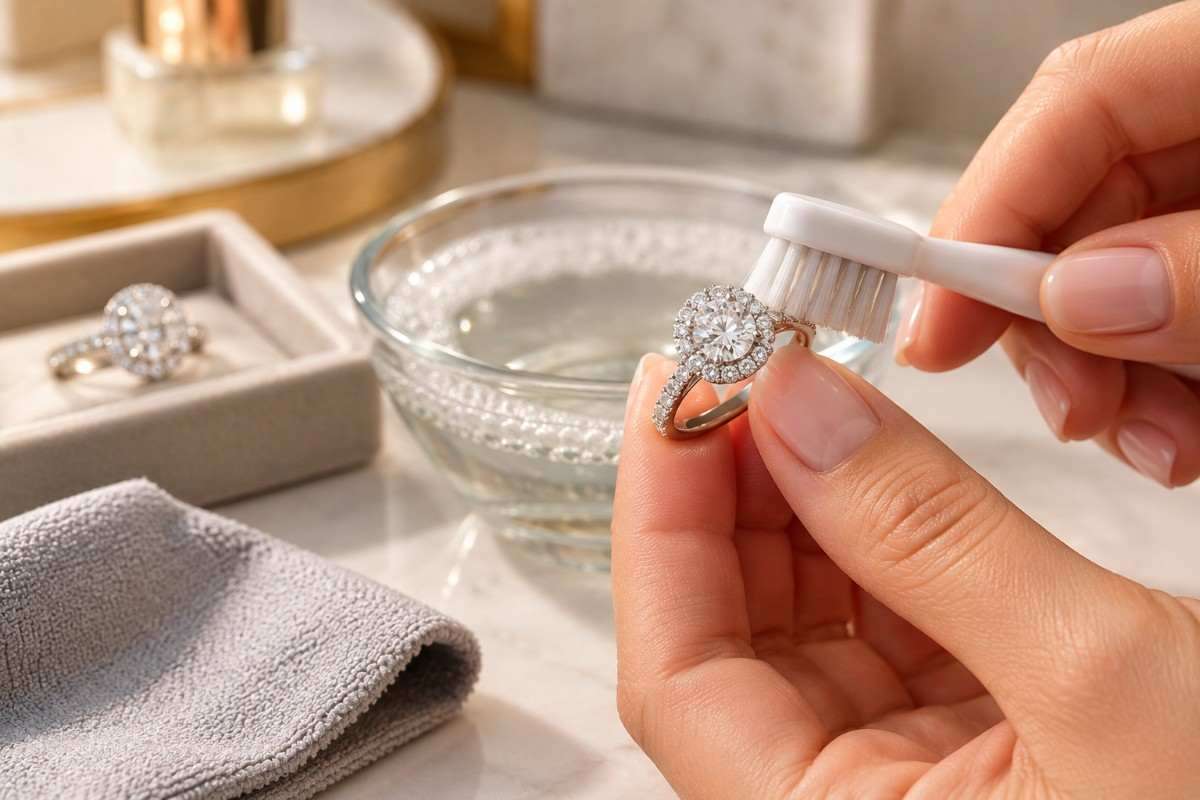
Yes, generally, though "more" doesn't mean difficult, just more frequent. The additional accent stones and prongs create more surface area for buildup to collect and more individual points worth a periodic glance. This typically means cleaning every one to two weeks rather than less often, and slightly more attentive professional inspection over time compared to a plain solitaire.
For the complete breakdown of exactly how much more care a halo requires and practical habits that make it easier, see our dedicated guide on whether halo rings need more maintenance.
Certification and Verification for Multi-Stone Designs
Since a halo ring includes more than one diamond, certification matters across the entire piece, not just the center stone. Confirm that certification information covers both the center stone and accent diamonds, with verifiable certificate numbers you can check directly on the issuing lab's own website, since the surrounding stones are a genuine part of what you're paying for.
- A Complete Checklist for Buying a Halo Ring
- Confirm a halo genuinely fits your priorities: maximizing visual size and brilliance within your budget.
- Choose a center stone shape that matches your personal style and, for shapes like marquise, benefits from the halo's added structural support.
- Decide between traditional and hidden halo, based on whether you want the added sparkle obvious or subtle.
- Compare against a solitaire directly if you're still weighing simplicity against maximum visual presence.
- Choose a metal tone that complements what you already wear daily.
- Consider lab-grown for meaningfully more total sparkle within your budget.
- Confirm certification covers the complete piece, center and accent stones alike.
- Plan for slightly more frequent maintenance than a plain solitaire would require.
Ready to Choose Your Halo Ring
Once you've worked through shape, halo style, metal, and the halo-versus-solitaire decision, you're well-positioned to compare real listings with genuine confidence. Browse halo rings for women with this framework in mind, and when you're ready, you can move directly into Buy engagement ring online knowing exactly what you're looking for.
Frequently Asked Questions
1.What makes a halo ring different from a solitaire?
Ans. A halo surrounds the center stone with smaller accent diamonds, adding visual size and brilliance beyond what the center stone alone provides, while a solitaire shows the center stone's true size and brilliance with nothing added around it.
2. Is a halo ring a good choice if I'm on a budget?
Ans. Yes, often a particularly strong choice, since the surrounding accent stones add meaningful visual size and brightness without requiring a larger, more expensive center stone, making it an efficient way to maximize apparent impact per dollar.
3. Should I choose a traditional or hidden halo?
Ans. This comes down to personal preference between obvious visual impact (traditional) and a subtler, more private detail (hidden). Traditional halos deliver more apparent size, while hidden halos maintain a more solitaire-like appearance from the front.
4. Do halo rings really need more maintenance than other settings?
Ans. Yes, generally, given the additional accent stones and prongs, though this means more frequent routine cleaning, roughly every one to two weeks, not a genuinely difficult or burdensome care routine.
5. What diamond shape works best in a halo setting?
Ans. Every major shape pairs well with a halo, though round offers the most classic, symmetrical look, while marquise and pear benefit from the halo's visual balancing effect and added structural reinforcement near their pointed ends.
The Bottom Line
A halo ring delivers genuine visual payoff, more apparent size and brilliance than a solitaire at the same center stone budget, through a style that's remained consistently popular for well over a decade. Choosing one well means working through shape, traditional versus hidden construction, metal tone, and an honest comparison against a solitaire, while understanding the slightly more involved maintenance commitment the style's additional stones require. Done thoughtfully, a halo ring delivers a piece that looks as brilliant in person, years from now, as it did the day you first saw it.