A Jacksonville pool deck has to handle much more than summer parties. Bare feet, heavy rain, pool chemicals, furniture, intense sunlight, and shifting ground can all affect the surface over time. For homeowners considering custom pool deck pavers in Jacksonville, FL, the material is only part of the decision. Rsouza Pavers looks at the base, drainage, pool coping, layout, and everyday use before installation begins.
What Custom Pool Deck Pavers Actually Involve
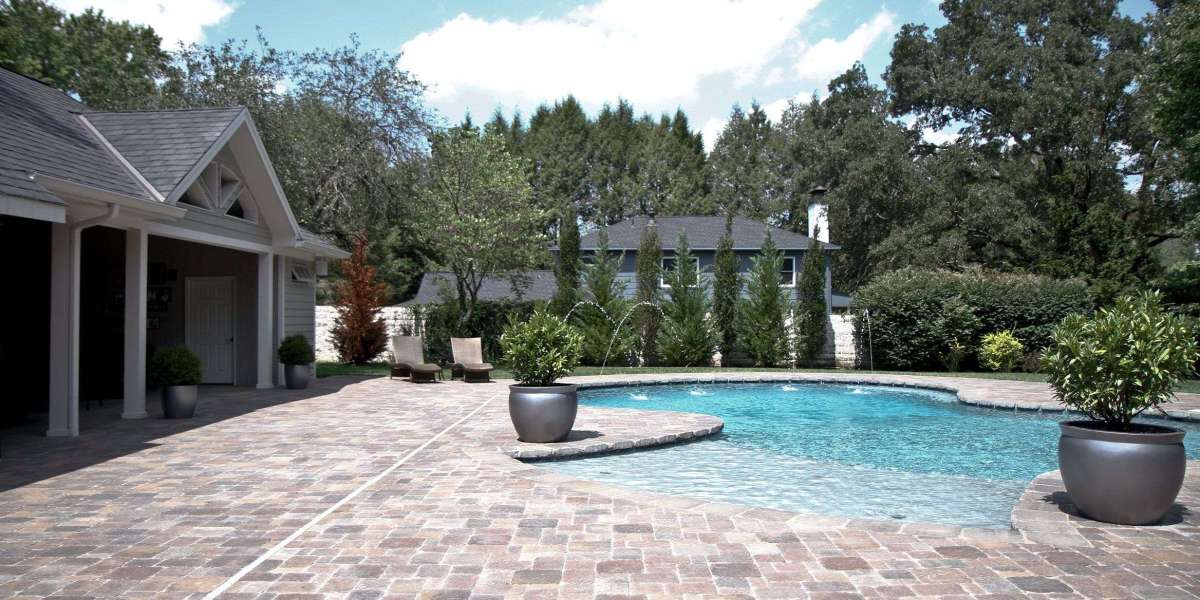
A paver pool deck is built from individual paving units installed over a prepared base rather than poured as one continuous slab. That construction gives homeowners flexibility with patterns, borders, colors, shapes, and future repairs.
Common choices include concrete pavers, travertine, brick, and other natural stone products. Each material has different characteristics involving heat, texture, maintenance, color variation, and resistance to outdoor conditions. Around a swimming pool, slip resistance and comfort under bare feet deserve just as much attention as appearance.
The installation itself starts below the visible surface. The area may need excavation, grading, a compacted aggregate base, bedding material, edge restraints, and properly filled joints. The exact preparation depends on soil conditions, existing surfaces, elevations, and the type of paver being installed.
In Jacksonville, we've noticed that most homeowners initially focus on paver color and pattern. Once the project is underway, they often realize that drainage and base preparation have a much greater influence on how the finished deck performs. Jacksonville's sandy soils and frequent heavy rain make proper grading and water management particularly relevant to outdoor hardscape projects. Local installers commonly emphasize drainage and a properly compacted base for this reason.
Pool coping also needs to be considered during the design stage. The coping forms the transition at the pool edge, and the surrounding pavers need to meet it cleanly without creating awkward height differences or areas where water can collect.
The Real Challenge in Jacksonville
Jacksonville's warm, humid climate creates several challenges for pool decks. Heavy rain can expose poor grading, while prolonged sun can heat darker surfaces significantly. Pool water and chemicals also reach the surrounding deck regularly, especially in busy households where swimmers are constantly entering and leaving the water.
Drainage is one of the issues homeowners should take seriously. A pool deck needs to direct water toward an appropriate drainage area rather than allowing runoff to collect beside the pool, house, or other structures. Existing drains, downspouts, screen-enclosure posts, doors, and landscape grades all need to be considered before final elevations are established. Local Jacksonville installation guidance also emphasizes coordinating these elements before materials are ordered.
A client in Jacksonville reached out after noticing that water remained in one section of an older pool deck following heavy rain. The surface looked attractive, but a low area had developed over time. Instead of simply placing new pavers over the existing surface, the project required attention to the underlying grade and drainage path.
That raises an objection homeowners sometimes have: Do pavers really need that much preparation if the existing concrete or deck is already there? Not necessarily every project requires complete removal, but the existing surface must be evaluated first. Covering a settled or poorly draining area can hide the problem rather than correct it.
Another question generic pool-deck guides often overlook is what happens around fixed features. Pool equipment, gates, steps, drains, outdoor showers, retaining walls, and screen enclosures cannot be moved as easily as a paver. Their locations should influence the layout from the beginning.
How Rsouza Pavers Approaches It Differently
Rsouza Pavers approaches pool-deck work by treating the entire area as one connected outdoor space rather than focusing only on the paver field.
The first stage is site evaluation. Measurements, existing elevations, pool dimensions, drainage paths, access points, coping conditions, and surrounding structures all help establish the installation plan.
Material selection follows the site assessment. A light-colored paver may be more comfortable around a pool exposed to direct Florida sun, while texture and surface finish can affect footing when the material is wet. The goal is to select a product based on actual use rather than choosing solely from a showroom sample.
The base deserves equal attention. A properly prepared and compacted foundation helps the pavers remain stable under foot traffic, pool furniture, and normal ground movement. Installation guidance from Jacksonville-area contractors commonly identifies excavation, aggregate preparation, compaction, bedding material, and edge restraint as important parts of a durable paver system.
Joint treatment matters too. Sand-filled joints help lock individual pavers together, while appropriate joint material can help reduce weed growth and movement. The selected material and installation method should determine which joint product is suitable.
One useful insight from current Jacksonville pool-deck content is that the best layout is not always the one with the fewest cuts. Curves around a pool, coping dimensions, drainage points, furniture zones, and pathways can make some cuts necessary. Trying to eliminate every cut can actually produce a less balanced layout. Good planning places cuts where they look intentional and keeps the main visual lines clean.
The installation plan should also account for maintenance. Individual pavers can generally be removed and reset if a localized area settles or needs access for future work. That can be useful around pool equipment and other areas where access may eventually be required.
Practical Tips: What to Know Before You Decide
Start by measuring how you actually use the pool area. A deck designed only for swimming may need less space than one that includes loungers, dining furniture, umbrellas, a grill, or a dedicated entertaining area.
The same planning applies to surrounding paths. If the pool connects to a patio, side gate, or outdoor kitchen, the transitions should be considered at the same time. A nearby paver sidewalk installation can use related materials and create a more consistent visual connection between the pool and the rest of the property.
Ask about the base preparation included in your estimate. Two quotes may appear similar on paper while covering very different levels of excavation, aggregate, compaction, edge restraint, and grading.
Working with clients in Jacksonville, our team found that homeowners often benefit from planning furniture placement before finalizing the paver pattern. A chair that technically fits on paper can make a walkway feel cramped once people are moving around the pool.
Pay attention to surface temperature as well. Darker materials exposed to direct Florida sun can become uncomfortable for bare feet. Current Jacksonville-area guidance specifically highlights surface temperature as a practical consideration for pool decks, particularly during the hottest months.
Drainage should be discussed before choosing a pattern or border. A decorative layout does not compensate for water that has nowhere to go. Ask where rainwater and splash-out will travel after the new deck is installed.
If you are comparing professional paver installers near me, request an itemized scope rather than comparing only the total price. The estimate should make clear what happens with existing concrete, excavation, base material, drainage, coping, pavers, joint sand, cleanup, and disposal.
Finally, ask how future repairs would be handled. A good pool deck should not only look right on completion day; its design should also allow practical access to areas that may need maintenance later.
Build the Pool Area Around How You Use It
A successful pool deck combines safe footing, drainage, stable installation, comfortable materials, and a layout that works for everyday life. For Jacksonville homeowners considering custom pool deck pavers, Rsouza Pavers can evaluate the site and help establish the right installation plan before materials are ordered. A detailed site assessment is a sensible first step before comparing materials and project estimates.
4. FAQs
1. How much do custom pool deck pavers cost in Jacksonville?
Pool deck paver costs vary based on the material, deck size, existing surface, excavation, base preparation, drainage work, coping, pattern, and site access. A simple replacement may cost less than a complete redesign requiring substantial preparation. Ask for an itemized estimate so you can see exactly what is included rather than comparing only the total price.
2. Are pavers a good choice for a Jacksonville pool deck?
Pavers can be a practical choice for Jacksonville pool areas because individual units can be removed and reset if localized settling or access issues occur. Material selection still matters, particularly for wet traction and heat exposure. Proper base preparation, grading, drainage, and edge restraint are essential regardless of which paver style you choose.
3. How do I choose the right paver material for a pool deck?
Consider slip resistance, surface temperature, durability, maintenance, appearance, and exposure to pool water before choosing a product. Concrete pavers, travertine, brick, and natural stone each have different characteristics. A sample should ideally be viewed outdoors because sunlight can change how its color and texture appear compared with indoor showroom lighting.
4. How do I know if a paver installer is trustworthy?
Ask for proof of applicable licensing and insurance, recent project examples, a written scope, material specifications, and clear warranty information. A reliable contractor should explain base preparation and drainage instead of discussing appearance alone. You can also ask how the crew handles existing coping, settled areas, unexpected site conditions, and cleanup.
5. Can pavers be installed over an existing pool deck?
Sometimes, the existing surface must first be evaluated for stability, drainage, elevation, and condition. Covering a surface that has significant settlement or poor drainage can transfer those problems to the new deck. In some projects, removal and rebuilding the base is the better approach. The correct method depends on the existing site's condition.