A solar system can appear perfectly fine from the ground while producing less electricity than it should. In Santa Clarita, long periods of strong sun make performance changes easier to notice on utility bills or monitoring apps. Quality Power Solutions sees this often: homeowners assume the panels themselves have failed when the actual problem may involve an inverter, wiring connection, monitoring equipment, or another part of the system.
What Solar Panel Repair Actually Involves
Solar panel repair is not always about replacing a damaged panel. A properly diagnosed system may have an issue with the inverter, microinverter, optimizer, wiring, connectors, mounting hardware, monitoring equipment, or electrical components.
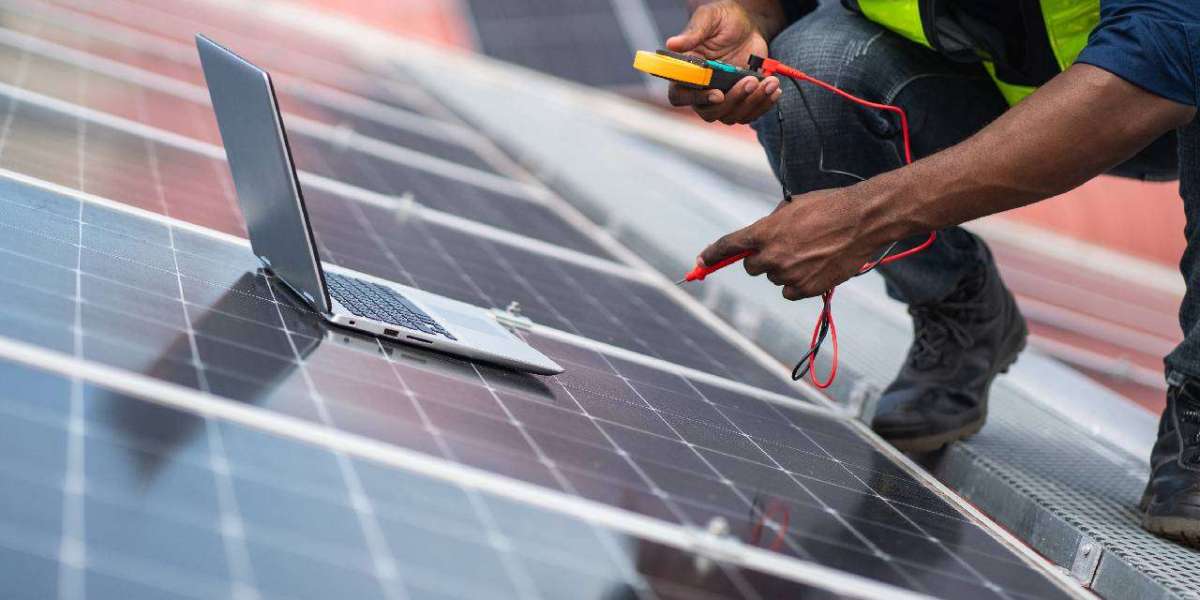
The first step should be determining why production has changed. A technician may review monitoring data, inspect the array, check electrical connections, test system components, and compare current production against expected output. This approach helps separate a genuine equipment problem from normal seasonal variation.
Solar panels themselves are generally designed to remain outdoors for years, but individual components can develop faults. Cracked glass, damaged backsheets, loose connections, failed bypass diodes, and physical damage can affect production. An inverter can also fail even though every panel looks normal from the ground.
In Santa Clarita, we've noticed that most homeowners first notice a problem through their monitoring application or electricity bill rather than by seeing physical damage. That makes monitoring data particularly useful. A sudden production drop, an offline system, or repeated fault alerts deserves investigation rather than being dismissed as a temporary issue.
People searching for solar installation near me may find contractors primarily focused on new systems, but repair work requires a different diagnostic mindset. The goal is not simply to install replacement equipment. It is to identify the component actually responsible for the loss.
The Real Challenge in Santa Clarita
Santa Clarita's hot, dry climate creates a demanding environment for equipment that remains exposed on rooftops year after year. High summer temperatures can place additional stress on electrical components, while dust and debris can affect system performance and make visual inspection more difficult.
Another challenge is that solar problems are not always visible. A panel can look clean and undamaged while an inverter fault prevents the array from producing normally. Likewise, a monitoring problem can make a functioning system appear offline.
A client in Santa Clarita reached out after noticing that their electricity production had dropped even though the panels looked normal. The monitoring data showed that one section of the system was producing substantially less than the others. Testing eventually pointed to a component-level electrical fault rather than a problem with the entire array.
That distinction matters because homeowners often worry that a production problem automatically means replacing the complete solar system. It does not. Depending on the diagnosis, the solution could involve repairing wiring, replacing an inverter, correcting a connection, replacing an individual module, or fixing monitoring equipment.
A question that generic solar content often skips is: Should you repair an older system or replace it? Age alone does not answer that question. The condition of the panels, inverter, mounting system, wiring, available replacement parts, remaining warranties, and historical production should all be considered before making that decision.
Homeowners should also check warranty information before authorizing work. A failed inverter or panel may still have manufacturer coverage, and documenting the fault properly can help determine what expenses may be eligible for warranty service.
How Quality Power Solutions Approaches It Differently
Quality Power Solutions approaches a repair by looking for the source of the performance loss rather than immediately recommending equipment replacement.
A useful diagnostic starts with system history. Production records, monitoring alerts, previous service records, inverter error codes, and recent changes at the property can provide valuable clues. The technician can then inspect the array and associated electrical equipment to narrow down the fault.
Electrical testing is especially important. A panel that appears normal may not be delivering expected voltage or current under operating conditions. Likewise, a connection can look intact while creating resistance or intermittent performance problems.
The repair plan should also consider the type of solar architecture installed at the home. String inverter systems, microinverter systems, and systems using power optimizers have different failure points. A technician familiar with the system design can test the relevant components instead of applying the same repair method to every installation.
Current local permitting requirements should also be considered for work that modifies electrical or solar equipment. The City of Santa Clarita currently lists rooftop PV among its residential instant-permit categories, while its Building & Safety division states that applicable construction work must comply with current California and local requirements.
Roof work creates another important consideration. Santa Clarita has specific guidance for homes with existing photovoltaic systems that need to be removed and reinstalled during reroofing. The city's policy distinguishes roofing work from PV removal, reinstallation, and modification, with separate licensing and permit considerations depending on the scope.
One useful insight that generic repair articles often miss is the connection between roof work and solar equipment. If a homeowner is planning a roof replacement, repairing or relocating the array at the same time may affect the project scope. That decision should be planned before roofing begins rather than after panels have already been removed.
Practical Tips: What to Know Before You Decide
Start with the monitoring system. Record recent production levels and take screenshots of error messages or alerts. If production has gradually declined, compare the current numbers with previous months or years rather than relying only on one day's output.
For homeowners comparing solar installation companies, ask whether the contractor also evaluates existing systems rather than only selling new installations. Repair experience can be particularly useful for older or discontinued equipment because the technician may need to identify compatible replacement components.
Next, inspect what can safely be seen from the ground. Look for obvious cracked glass, damaged conduit, loose-looking components, or unusual debris. Do not climb onto the roof or handle electrical equipment yourself simply to investigate a suspected fault.
Working with clients in Santa Clarita, our team found that homeowners often benefit from collecting their original installation paperwork before scheduling service. Inverter model numbers, panel specifications, warranty documents, monitoring credentials, and previous service records can make diagnosis and warranty discussions easier.
Do not assume cleaning will solve every production problem. Dirty panels can reduce output, but cleaning will not fix a failed inverter, damaged wiring, defective electronics, or a monitoring communication problem. A sudden system shutdown deserves electrical diagnosis rather than repeated cleaning.
Cost should also be evaluated against expected remaining system life. A relatively minor repair on a system with years of useful service remaining can make sense. An expensive repair involving multiple aging components may call for a broader comparison between repair and replacement.
Another local consideration is roof condition. If your roof is approaching replacement age, discuss that before repairing or replacing rooftop solar equipment. Santa Clarita's published guidance confirms that removing and reinstalling an existing PV system during reroofing can involve separate requirements depending on whether the solar system is modified.
Finally, verify the contractor's credentials, insurance, written scope of work, and warranty terms. The City of Santa Clarita advises property owners to make sure required permits are obtained and notes that unpermitted work can result in enforcement action.
Know the Cause Before Replacing the System
A solar system that stops producing normally does not automatically need to be replaced. Testing the panels, inverter, wiring, monitoring equipment, and other components can reveal a much smaller problem. For homeowners considering solar panel repair in Santa Clarita, Quality Power Solutions can assess the existing system and help identify a practical next step. Start with a diagnosis before committing to major equipment replacement.
4. FAQs
1. How much does solar panel repair cost in Santa Clarita?
Repair costs depend on the failed component and how difficult it is to access. Replacing a monitoring device or small electrical component may cost far less than replacing an inverter or multiple panels. Labor, diagnostic time, equipment availability, and warranty coverage can also affect the final amount, so an inspection is usually needed for an accurate estimate.
2. What are the most common signs that a solar system needs repair?
Common warning signs include a sudden drop in electricity production, repeated inverter alerts, offline monitoring, unexplained increases in utility bills, visible panel damage, or sections of an array producing less than others. A gradual seasonal change is different from a sharp unexplained decline, so comparing current production with previous records can help.
3. Can damaged solar panels be repaired instead of replaced?
Sometimes, but it depends on the type and severity of damage. Minor issues involving connections or associated electrical equipment may be repairable, while cracked modules or certain internal failures generally call for replacement. A technician should evaluate the panel and surrounding components before recommending a solution, especially if a manufacturer warranty may apply.
4. How do I know if a solar repair contractor is legitimate?
Ask for applicable California licensing information, proof of insurance, a written scope of work, and clear warranty terms. You can also check whether the contractor explains the diagnosis before recommending replacement equipment. For work requiring permits, ask who will obtain them and how inspections will be handled rather than accepting vague answers.
5. Should I repair or replace an older solar system?
The age of the system is only one factor. Consider the condition and remaining life of the panels, inverter, wiring, mounting equipment, warranties, production history, and availability of replacement parts. A targeted repair may make sense for a healthy older system, while repeated failures across several components could justify comparing repair costs with a replacement plan.