A growing home electrical load can expose weaknesses that were not obvious when the house was first built. Adding an EV charger, workshop equipment, heat pump, or larger kitchen appliances may leave homeowners wondering if the existing electrical system can keep up.
For many properties, a sub panel upgrade can provide a practical way to distribute circuits more effectively without replacing the main service panel. Based on the type of electrical work handled by REAL ELECTRICAL SERVICES, the right answer starts with examining the home's existing capacity rather than simply adding another panel.
What a Sub Panel Upgrade Actually Does
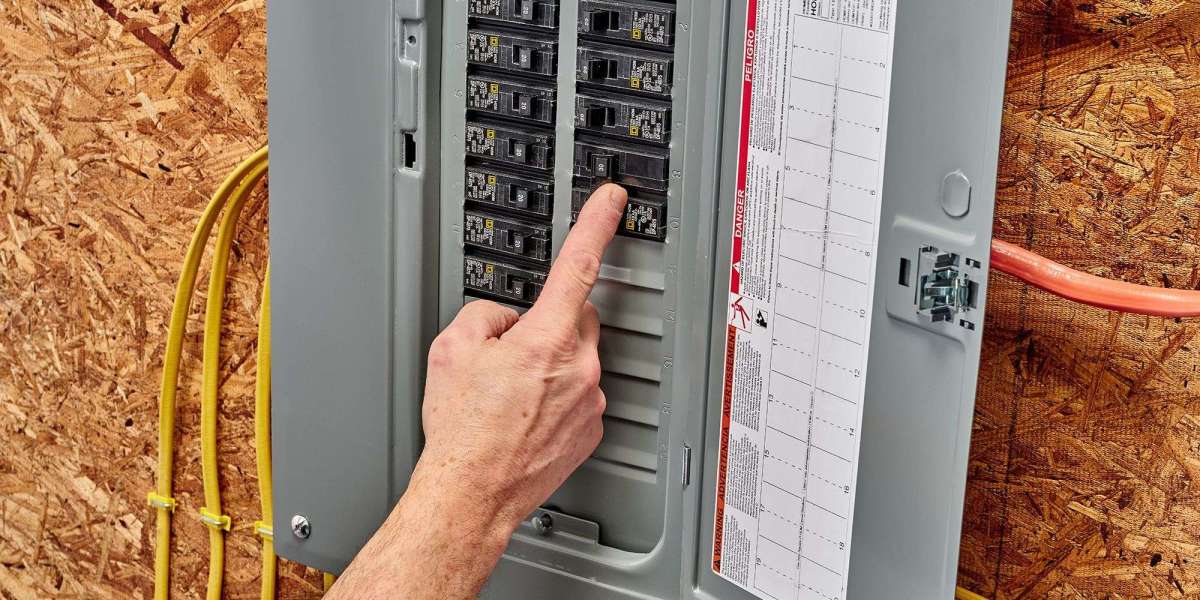
A subpanel is a secondary electrical panel connected to the home's main service panel. Instead of every circuit running back to one central panel, selected circuits can be grouped in another location. This can be useful for additions, detached garages, workshops, finished basements, or areas where several new circuits are needed.
A properly main panel planned installation involves more than mounting a metal enclosure on the wall. An electrician needs to evaluate the existing service, feeder conductors, breaker ratings, grounding and bonding arrangement, available panel space, and the expected electrical load.
In Walnut Creek, older homes and remodeled properties can have very different electrical configurations. Some houses have gone through several renovations, meaning newer circuits may sit alongside older wiring. That history matters because adding capacity without reviewing the existing system can create problems rather than solve them.
In Walnut Creek, we've noticed that most homeowners first notice an electrical capacity issue through everyday symptoms. Lights may dim when larger equipment starts, breakers may trip repeatedly, or a homeowner may discover there is simply no room for another circuit.
A subpanel can make circuit organization easier, but it does not automatically increase the amount of electricity available from the utility. That distinction is easy to miss. If the home's main service cannot support the additional demand, a larger subpanel alone will not solve the underlying limitation.
When a Subpanel Makes Sense
A secondary panel may be appropriate if:
- A remodel requires several new dedicated circuits
- A garage or workshop needs its own electrical distribution
- An EV charger is being added alongside other loads
- A home addition needs multiple new circuits
- The existing panel is crowded
- New equipment would be better served from a nearby panel
- Long circuit runs from the main panel would be impractical
An electrician should determine whether a subpanel, main panel work, or another electrical configuration makes the most sense.
The Real Electrical Challenge in Walnut Creek
Walnut Creek homes can face a particular mix of electrical demands. Remodeling, home offices, EV charging, air-conditioning equipment, and modern kitchen appliances can place considerably more demand on systems designed for a different era.
REAL ELECTRICAL SERVICES can approach a subpanel project around those practical questions. The goal is to determine whether the proposed configuration actually fits the home's electrical system instead of treating every project as a standard panel installation.
Another factor is the Bay Area's housing stock. A property may have received electrical work in stages over many years. One portion of the house could have updated wiring while another still contains older components. That is why an electrical assessment should look at the system as a whole instead of focusing only on the location where a new panel is planned.
A client in Walnut Creek reached out after adding several high-demand appliances and noticing that a breaker was tripping more often. The immediate assumption was that another panel was needed. After reviewing the circuit arrangement and existing load, the better solution involved reorganizing several circuits and assessing available capacity before adding new equipment. The lesson is simple: the panel location is only one part of the electrical picture.
One common homeowner objection deserves a straight answer: “Can't I just add more breakers to the existing panel?” Not necessarily. A panel's physical space, manufacturer specifications, breaker compatibility, conductor size, service capacity, and load calculations all matter. Installing more breakers simply because empty spaces appear available can be unsafe or prohibited by the equipment's listing.
Another question often gets less attention: Will a subpanel lower my electric bill? Generally, no. A subpanel changes how circuits are distributed; it does not make appliances consume less electricity. Its value is better circuit organization, suitable distribution, and capacity planning for the home's electrical needs.
How REAL ELECTRICAL SERVICES Approaches the Work
A sensible installation begins with inspection rather than equipment selection. The electrician should identify the main panel's rating, inspect existing feeders, review grounding and bonding, determine where the new panel will be located, and calculate the anticipated electrical demand.
Location also matters. A garage panel, for example, may require a different feeder route than a panel installed beside a remodeled kitchen. The route affects conductor length, protection, enclosure placement, and installation labor. Outdoor or damp locations may also require equipment rated for those conditions.
A useful detail that generic electrical articles often skip is future circuit planning. If a homeowner expects to add an EV charger, pool equipment, workshop tools, or a home addition later, that information should be discussed before the panel and feeder are selected. Planning for likely future loads can prevent another disruptive electrical project a few years later.
A proper project may include:
- Existing-system inspection — The electrician reviews the main panel, wiring, breakers, grounding, and service rating.
- Load assessment — Expected electrical demand is considered before equipment is sized.
- Panel and feeder selection — The panel, feeder conductors, breaker, and related components are selected to match the design.
- Circuit planning — New circuits are assigned logically so the panel remains organized.
- Installation — The equipment is mounted and connected according to applicable electrical requirements.
- Testing — Connections, breakers, voltage, and circuit operation are checked before the work is considered complete.
Depending on the project, permits and inspection may also be required. Requirements can vary based on the scope and local jurisdiction, so homeowners should ask the contractor what approvals apply before work begins.
Practical Tips: What to Know Before You Decide
Start by making a list of everything you currently want to power and anything you expect to add within the next few years. This could include an EV charger, electric range, heat pump, hot tub, workshop equipment, or additional living space.
Working with clients in Walnut Creek, our team found that homeowners often focus on the number of available breaker spaces rather than total electrical capacity. An open space does not automatically mean the service can safely support another major load.
Before hiring a contractor, ask these questions:
- What is the home's existing service rating?
- Does the proposed subpanel require a new feeder?
- Will the existing service support the added load?
- What panel and breaker equipment will be installed?
- Will circuits need to be relocated?
- Are permits or inspections required?
- Where will the new panel be installed?
- Is future capacity being considered?
- What work is included in the quoted price?
The right electrical panel upgrade services in Walnut Creek, CA should explain the reasoning behind the proposed work, not simply provide a price for equipment and labor.
Homeowners should also ask for clear documentation of the work. Panel labeling matters because a well-organized electrical system is easier to troubleshoot later. Accurate circuit identification can save time during an emergency or future renovation.
For older properties, ask whether the electrician found any signs of damaged wiring, outdated components, overheating, or improper previous modifications. Those findings may not mean the entire system needs replacement, but they should be addressed before adding substantial new loads.
Another practical consideration is placement. A subpanel should remain accessible and have appropriate working clearance. It should not be hidden behind stored boxes, permanently blocked by furniture, or placed somewhere that makes future service difficult.
If the project involves a garage or exterior area, environmental exposure deserves attention as well. Equipment selection and installation methods should match the location rather than treating an outdoor installation like an indoor one.
Plan the Electrical Capacity Before Adding More Loads
A subpanel can be a useful part of a larger electrical upgrade, but it should be sized around the home's actual and expected demand. In Walnut Creek, where older homes are frequently adapted for modern living, a careful assessment can prevent unnecessary work and reveal problems that a simple panel addition would miss.
For homeowners considering a panel upgrade electrician for a major electrical project, the best first step is an evaluation of the existing system, planned loads, and available capacity. For a local sub panel upgrade, REAL ELECTRICAL SERVICES can help homeowners determine what should be checked before deciding on the work.
4. FAQs
1. How do I know if my Walnut Creek home needs a subpanel?
Frequent breaker trips, limited panel space, new high-demand appliances, or a garage and workshop needing several circuits can indicate that additional distribution may help. However, those signs do not automatically mean a subpanel is required. An electrician should review the existing service, wiring, load, and panel configuration before recommending an upgrade.
2. How much does a subpanel upgrade cost in Walnut Creek?
Pricing varies based on panel size, feeder length, access, wiring requirements, permit needs, and whether existing electrical work must be corrected. A straightforward installation may cost far less than a project requiring extensive rewiring or service changes. Get a written estimate that separates equipment, labor, permits, and any necessary repairs.
3. Is a subpanel safer than adding more breakers to my main panel?
A subpanel can provide safer, more organized distribution when it is properly sized and installed. Simply adding breakers to a crowded panel is not always acceptable because equipment ratings and total electrical load still apply. A qualified electrician should check breaker compatibility, conductor sizing, grounding, bonding, and available capacity before adding circuits.
4. How can I tell if an electrical contractor is legitimate?
Check that the contractor is properly licensed for the work, carries appropriate insurance, provides a clear written estimate, and is willing to explain the proposed electrical design. Ask about permits and inspections where applicable. You can also request references or reviews and verify licensing through the relevant California licensing authority before hiring.
5. Do I need a subpanel if I am installing an EV charger?
Not necessarily. An EV charger may be installed from the main panel if there is sufficient capacity, appropriate breaker space, and a suitable circuit path. A subpanel can make sense if several new loads are being added in the same area. The electrician should perform a load assessment before deciding on the panel arrangement.