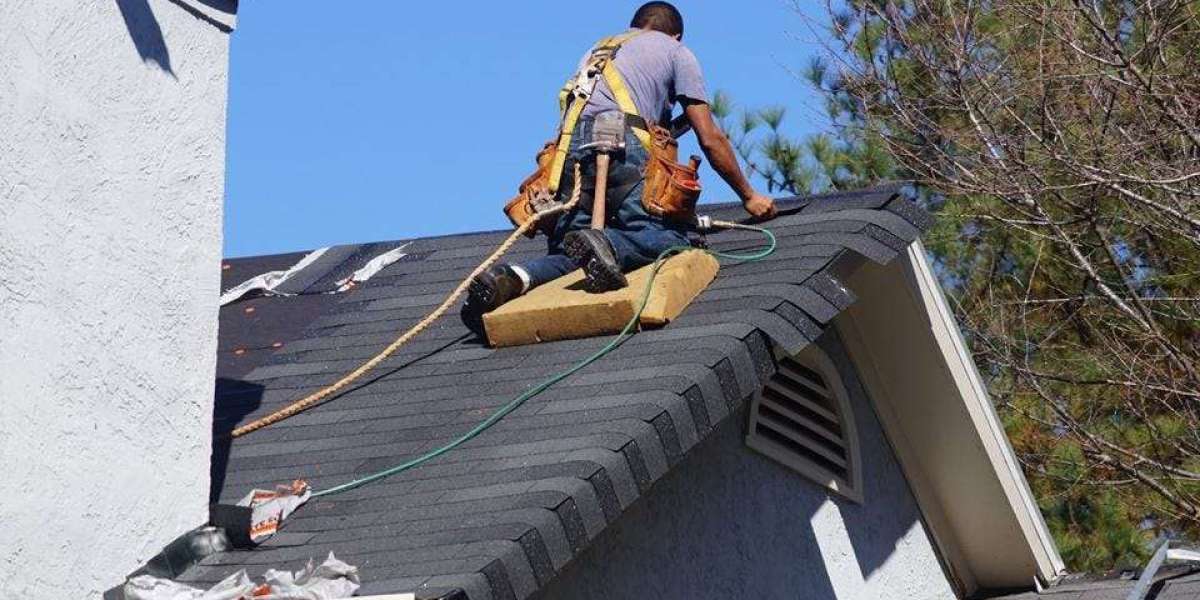
A small ceiling stain after a storm can leave a Riverhead homeowner wondering whether the problem is a simple leak or a sign of a failing roof. Trueline Home Improvement approaches residential roofing with that question in mind: identify the source, assess the condition of the full system, and determine what actually needs attention.
For homes around Riverhead, that assessment matters because Long Island roofs deal with wind, heavy rain, snow, ice, seasonal temperature swings, and coastal exposure. A repair that addresses only the visible symptom may not solve the underlying problem.
What Residential Roofing Really Covers
A proper inspection looks at how these components work together. A missing shingle, for example, may be easy to spot, but the more significant issue could be damaged flashing or deteriorated decking underneath.
Riverhead's location between Long Island Sound and Peconic Bay creates conditions that deserve attention. Local roofing companies regularly point to wind, rain, salt air, aging shingles, flashing problems, and ventilation as concerns for area homes.
In Riverhead, we've noticed that most homeowners first judge their roof by its appearance. That makes sense from the ground, but some of the most serious problems are not visible from the driveway. A roof can look reasonably good while flashing has failed around a chimney or water has started affecting the decking.
A roof inspection should therefore cover more than damaged shingles. It should check penetrations, valleys, flashing, gutters, attic ventilation, signs of moisture, and areas where water may be entering the building envelope.
For many homes, asphalt shingles remain a practical choice, while metal, cedar, slate, and other materials may suit different architectural styles and budgets. The right material depends on the roof design, expected service life, maintenance requirements, and exposure to local weather.
Residential roofing is more than shingles placed over a house. A complete roof system includes the decking, underlayment, flashing, ventilation, drip edge, shingles or other roof covering, and the areas where the roof meets chimneys, skylights, walls, and vents.
The Real Roofing Challenge in Riverhead, NY
Riverhead homeowners have to think about more than ordinary wear. Coastal weather can bring strong winds and heavy rain, while winter conditions can expose weak flashing, worn seals, and aging roof coverings. Trees and debris can create another source of damage during storms.
One of the most common mistakes is assuming that every leak requires a new roof. That is not necessarily true. A localized flashing failure, damaged vent boot, or small area of shingle damage may be repairable without replacing the entire system.
A client in Riverhead reached out after noticing a water mark near an upstairs window following heavy rain. The roof appeared intact from the ground, but an inspection found deteriorated flashing near a nearby roof penetration. The affected area was repaired, and the homeowner avoided treating a localized problem as a full replacement project.
The opposite situation can happen too. Repeated repairs may not make financial sense if the roof is near the end of its service life and several components are deteriorating at the same time.
That is an objection many homeowners have: "If the roof still looks okay, why spend money on an inspection?" The answer is that an inspection can help separate cosmetic aging from functional problems. It may also reveal a small issue before it becomes interior water damage, insulation damage, or a much larger repair.
Another question that deserves a straightforward answer is whether a roof should be replaced after one major storm. Usually, the decision should be based on the actual condition of the roofing system rather than the storm alone. Missing shingles, lifted materials, exposed underlayment, damaged flashing, punctures, and compromised decking all require different responses.
Local roofing pages tend to emphasize inspections, repairs, replacements, warranties, and material choices. A useful distinction homeowners should also ask about is the remaining service life of the roof after a repair. Fixing today's leak is helpful, but knowing whether the rest of the roof is likely to remain reliable for several more years makes the financial decision clearer.
How Trueline Home Improvement Approaches Roofing Differently
Trueline Home Improvement can approach a roofing project by starting with the condition of the system rather than assuming the answer is automatically repair or replacement.
The first step is identifying where the problem begins. Water does not always enter directly above an interior stain. It can travel along decking, framing, flashing, or underlayment before appearing inside the home. That makes source identification especially important.
The next step is separating urgent concerns from longer-term improvements. If exposed materials are allowing water into the home, stopping the intrusion comes first. After that, the roof can be evaluated for broader deterioration.
A detailed roof assessment should consider:
- Shingle condition and missing or damaged sections
- Flashing around chimneys, walls, skylights, and vents
- Roof valleys where water concentrates
- Underlayment and visible decking
- Attic ventilation and moisture signs
- Gutters, downspouts, and roof drainage
- Evidence of previous repairs
- Moss, algae, or organic growth
- Storm-related damage
- The approximate age and remaining service life
This process addresses a gap often missed in short roofing articles: a roof is a system, not simply a layer of shingles. Replacing shingles without correcting poor ventilation, damaged flashing, or drainage problems can leave the same underlying weakness in place.
The material selection also deserves more thought than simply choosing a color. Architectural shingles can provide a familiar residential appearance, while metal and other systems may offer different durability and maintenance characteristics. Riverhead Building Supply, for example, lists asphalt shingles, underlayment, ventilation products, and roof protection materials among its local roofing inventory.
For homes exposed to coastal conditions, the installation details can matter as much as the product itself. Fastener placement, flashing, ventilation, underlayment, and edge protection all contribute to how the finished roof performs during heavy weather.
Practical Tips: What to Know Before You Decide
Working with clients in Riverhead, our team found that homeowners make better roofing decisions when they ask for evidence instead of relying on a simple verbal recommendation.
Start by asking for photographs of damaged areas. If someone recommends replacement, ask which components have failed and whether the problem affects the entire roof or only specific sections.
Next, compare the expected life of a repair with the remaining life of the roof. Spending money on several isolated fixes may make sense on a relatively young roof. A similar repair bill may be harder to justify on an older system that already has widespread wear.
Pay attention to attic conditions as well. Poor ventilation can contribute to moisture buildup and premature deterioration. If a contractor discusses replacing the roof but never checks ventilation or drainage, ask why.
Insurance is another area where homeowners should slow down. Storm-related damage may be covered depending on the policy and circumstances, but coverage is not guaranteed. Document the condition with photos and contact your insurer before agreeing to major work if you suspect a claim may be involved.
A local roofing contractor in Riverhead , NY should also be able to explain the work in plain language. Ask about the scope, materials, ventilation, flashing, cleanup, warranty terms, payment schedule, and any permits that may apply. Local competitors commonly emphasize warranties, certification, permits, written estimates, and storm-related assistance, so those are reasonable areas for homeowners to compare.
Riverhead's coastal exposure also makes maintenance worth taking seriously. After a major windstorm, look from the ground for missing shingles, displaced materials, damaged gutters, or visible debris. Do not climb onto the roof yourself simply to inspect it; a professional can assess elevated areas more safely.
One useful habit is to keep a basic roofing record. Save inspection reports, repair invoices, product information, photographs, and warranty documents. That information can help you understand how the roof has aged and can be useful if you sell the property later.
Finally, do not choose a contractor based only on the lowest estimate. Two quotes can look similar while covering very different scopes of work. Ask each contractor to explain what will be removed, what will remain, which materials are included, and how unexpected decking damage will be handled.
Make the Repair-or-Replace Decision With Clear Evidence
A sound roofing decision starts with knowing what is actually failing and how much useful life remains. For homeowners considering residential roofing work in Riverhead, NY, Trueline Home Improvement can be part of that evaluation, whether the property needs a focused repair or a larger roofing project. Start with an inspection and a written scope so you can compare your options with the facts in front of you.
FAQs
1. How do I know if my Riverhead roof needs repair or replacement?
A roof may need repair if damage is limited to a small area, such as a few shingles, flashing, or a vent seal. Replacement becomes more reasonable when the system has widespread deterioration, repeated leaks, damaged decking, or limited remaining service life. An inspection can help determine which option makes financial sense.
2. How much does residential roofing cost in Riverhead, NY?
Roofing costs vary based on roof size, pitch, material, accessibility, decking condition, labor, and the amount of repair or replacement required. A minor repair can cost far less than a full replacement. Ask for a written estimate that identifies materials, labor, removal, disposal, flashing, ventilation, and potential decking work.
3. How can I tell if a roofing contractor is trustworthy?
Look for clear business information, appropriate licensing or registration where required, insurance documentation, written estimates, references, and a defined warranty. Ask the contractor to explain the actual roof problems with photographs or inspection findings. A trustworthy roofer should be willing to discuss limitations and alternatives instead of pushing one answer.
4. How long does a residential roof usually last in Riverhead?
Service life depends on the material, installation quality, ventilation, maintenance, weather exposure, and roof design. Asphalt shingle roofs can last for many years, while some premium materials may last considerably longer. Riverhead's wind, rain, snow, and coastal exposure can affect performance, so age alone should not determine replacement timing.
5. What should I do if my roof starts leaking after a storm?
Place containers under active leaks and move belongings away from affected areas if it is safe. Avoid climbing onto the roof during or after severe weather. Photograph visible damage from a safe location, contact your insurance company if appropriate, and arrange a professional inspection to identify the entry point and determine the required repair.