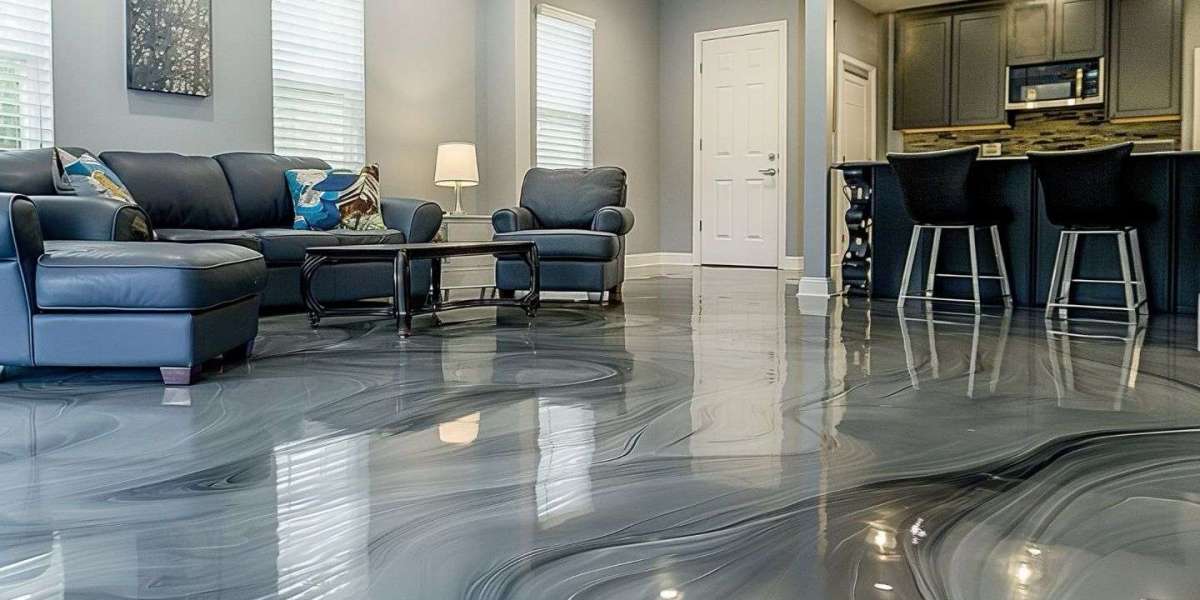
A garage floor can collect oil stains, road salt, tire marks, and years of concrete dust without looking like much of a problem—until you try to clean it. The same applies to unfinished basement slabs that stay damp or dusty. For homeowners considering epoxy floor installation in Glastonbury CT, the biggest question is not simply what color to choose. Surmount Contractors looks at the condition of the concrete first because preparation usually has more to do with long-term performance than the final color.
What Epoxy Flooring Actually Does for Glastonbury Homes
Epoxy flooring is a resin-based coating system installed over prepared concrete. Depending on the project, the system may include a primer, epoxy body coat, decorative flakes or pigments, and a protective topcoat. The finished surface can be smooth and glossy or textured for additional traction.
The appeal goes beyond appearance. A properly installed coating can make concrete easier to sweep and mop while helping protect the slab from oil, dirt, stains, abrasion, and everyday traffic. Garages, finished basements, workshops, utility rooms, commercial spaces, and some entry areas can all benefit from a properly selected floor system.
In Glastonbury, we've noticed that most homeowners first think about color and shine, then ask about durability. The better order is the reverse. A beautiful coating cannot compensate for concrete that has excessive moisture, weak surface material, active movement, or poorly repaired cracks.
A garage is a good example. Garage epoxy flooring can create a cleaner, more finished appearance while giving the concrete a sealed surface that is easier to maintain. Decorative flakes can also help disguise minor visual variations in an older slab while adding texture.
The coating itself is only one part of the floor. Concrete grinding, crack repair, edge preparation, dust removal, moisture assessment, mixing ratios, application thickness, cure time, and topcoat selection all affect the finished result.
The Real Challenge in Glastonbury
Connecticut weather creates conditions that deserve attention before any coating is applied. Glastonbury experiences cold winters, freeze-thaw cycles, humid summers, and seasonal moisture changes. Concrete in garages and lower levels can also be exposed to road salt brought in by vehicles during winter.
Moisture is one of the biggest concerns, particularly on basement slabs. If vapor is moving through the concrete and the coating system is not designed to handle that condition, adhesion problems can develop. That is why a contractor should inspect the slab and discuss moisture before promising that any coating will last for a specific number of years.
A client in Glastonbury reached out after noticing that an older garage slab was stained, dusty, and beginning to show several cracks. The surface looked suitable for coating at first glance, but the cracks and condition of the concrete needed attention before applying a finish. Instead of treating the coating as a cosmetic layer, the project was approached as a concrete-preparation job followed by the coating system.
That distinction answers an objection many homeowners have: Why does professional installation cost more than simply rolling epoxy onto the floor? The visible coating is only the final stage. Grinding, cleaning, repairs, moisture assessment, and correct application require time and equipment.
Current Glastonbury-area flooring providers frequently emphasize diamond grinding, crack repair, moisture evaluation, and multi-layer systems. That focus reflects an important industry reality: poor preparation can cause peeling or premature failure even when the coating material itself is good.
Another question that often gets less attention is whether every concrete floor is a good candidate. The answer is no. A slab with serious structural movement, persistent water intrusion, or significant deterioration may need concrete work before a coating makes sense.
How Surmount Contractors Approaches Epoxy Flooring Differently
Surmount Contractors approaches an epoxy project by starting with the slab rather than the decorative finish. That means looking at cracks, surface condition, previous coatings, moisture concerns, drainage, edges, and the intended use of the room before choosing the coating system.
1. Concrete preparation comes first
A coating needs a clean, mechanically prepared surface to bond properly. Depending on the slab, preparation may involve diamond grinding, removal of an old coating, crack treatment, patching, vacuuming, and detailed edge work.
Grinding also removes weak surface material that could interfere with adhesion. Simply washing the floor or lightly sanding it may not provide the same profile required for a durable bond.
2. The coating should match the room
A residential garage has different demands from a basement living area or commercial workspace. Vehicle traffic, hot tires, oil, dropped tools, moisture, cleaning chemicals, and foot traffic all affect the appropriate system.
For a lower level, an epoxy basement floor coating can provide a cleaner sealed surface, but moisture should be evaluated before installation. A basement that has active water problems needs the water issue addressed rather than covered with a decorative coating.
3. Appearance is part of the planning
Homeowners can choose from solid colors, decorative flakes, metallic effects, borders, and other finishes. A custom epoxy floor design can work particularly well in showrooms, finished garages, recreation areas, or spaces where the floor is intended to become a visible part of the room.
The practical choice is not always the most expensive-looking finish. Flake systems can hide minor visual imperfections and provide texture, while a smooth decorative finish may show every flaw in an underlying slab.
4. The final topcoat matters
A common content gap in flooring articles is the limited attention given to the topcoat. Epoxy provides the main body of the system, but the final protective layer can influence scratch resistance, chemical resistance, texture, UV performance, and long-term appearance.
Polyaspartic systems are also used in Connecticut flooring projects, particularly where faster curing or certain performance characteristics are desired. They are not simply interchangeable with every epoxy product, so the system should be selected according to the space and installation conditions. Local installers in Connecticut commonly offer both epoxy and polyaspartic options.
This project-by-project approach is one area where generic flooring articles often fall short. There is no single coating that is automatically right for every concrete slab.
Practical Tips: What to Know Before You Decide
Start with the condition of your concrete, not the sample board. Look for cracks, spalling, damp areas, old paint, previous coatings, stains, and sections that sound hollow or appear weaker than the surrounding slab.
Working with clients in Glastonbury, our team found that homeowners often underestimate how much the existing floor affects the final appearance. A decorative coating will follow the general shape and condition of the slab, so major defects should be discussed before installation rather than after the finish has healed.
Ask these questions before accepting an estimate:
- How will the concrete be prepared?
- Will the slab be mechanically ground?
- How will cracks and damaged areas be repaired?
- Will moisture be tested?
- What coating system is being proposed?
- How many coats are included?
- Is a protective topcoat included?
- How long will the floor need to cure before normal use?
- What maintenance does the finished surface require?
Do not judge competing estimates only by price per square foot. Two quotes can have very different scopes even if the floor dimensions are identical. One may include grinding, repairs, primer, multiple coats, flakes, and a protective topcoat, while another may cover only a basic coating application.
Glastonbury homeowners should also consider the timing of the project. Cold temperatures can affect curing, while humidity and moisture can influence installation conditions. Connecticut's seasonal changes make proper planning especially useful for garages and lower-level spaces.
Think about how you actually use the room. A garage that stores two vehicles and lawn equipment needs a different level of abrasion resistance than a lightly used storage room. A finished basement may benefit more from appearance, easy cleaning, and moisture management.
There is also a maintenance misconception worth clearing up: an epoxy floor is not maintenance-free. It is easier to clean than unfinished concrete, but sweeping grit, wiping spills, using appropriate cleaners, and avoiding unnecessary chemical exposure will help preserve the surface.
For homeowners considering decorative options, bring samples into the actual room before deciding. Lighting can make the same gray, tan, or metallic finish look very different from a showroom sample. Natural daylight, overhead LEDs, wall color, and surrounding cabinetry all influence how the floor appears.
A Better Floor Starts Beneath the Finish
A successful epoxy project in Glastonbury depends on more than a glossy final surface. Concrete condition, moisture, preparation, coating selection, application conditions, and maintenance all play a role in how the floor performs. If you are considering epoxy flooring in Glastonbury, ask for a slab assessment and a clear explanation of the proposed system before approving the work. Surmount Contractors can help homeowners evaluate their concrete and determine what type of epoxy floor installation fits the space.
4. FAQs
1. How much does epoxy floor installation cost in Glastonbury, CT?
The price depends on square footage, concrete condition, repairs, preparation requirements, coating type, decorative options, and the number of layers. A clean garage slab will generally require less preparation than damaged or previously coated concrete. Get an itemized estimate so you can compare preparation, materials, labor, and topcoat coverage rather than price alone.
2. Is epoxy flooring good for a basement in Connecticut?
It can be, provided the concrete is suitable and moisture is properly evaluated first. Basement slabs can experience vapor transmission or water-related problems, and coating over an unresolved moisture issue can lead to adhesion failure. An epoxy basement floor coating works best when the underlying slab is dry enough for the selected system and properly prepared.
3. How long does an epoxy floor last in a Glastonbury garage?
A properly installed floor can last for many years, but there is no honest single lifespan for every garage. Concrete preparation, product quality, traffic, sunlight, chemicals, moisture, and maintenance all affect durability. Connecticut's winter salt and temperature changes can add wear, so the coating system should match the garage's actual use.
4. Is epoxy flooring slippery when it gets wet?
A smooth, high-gloss coating can become slippery when contaminated with water, oil, or other liquids. Contractors can add texture through decorative flakes or approved traction additives to improve footing. The right approach depends on the room and expected exposure. For garages and areas where water is common, ask specifically about slip resistance before choosing the finish.
5. How can I tell if an epoxy flooring contractor is trustworthy?
Ask for a clear description of surface preparation, crack repair, moisture testing, coating layers, cure times, and warranty terms. A trustworthy contractor should explain limitations rather than promise that every slab will produce the same result. Reviewing recent project photos and checking whether the estimate clearly defines the work can also help you compare contractors fairly.