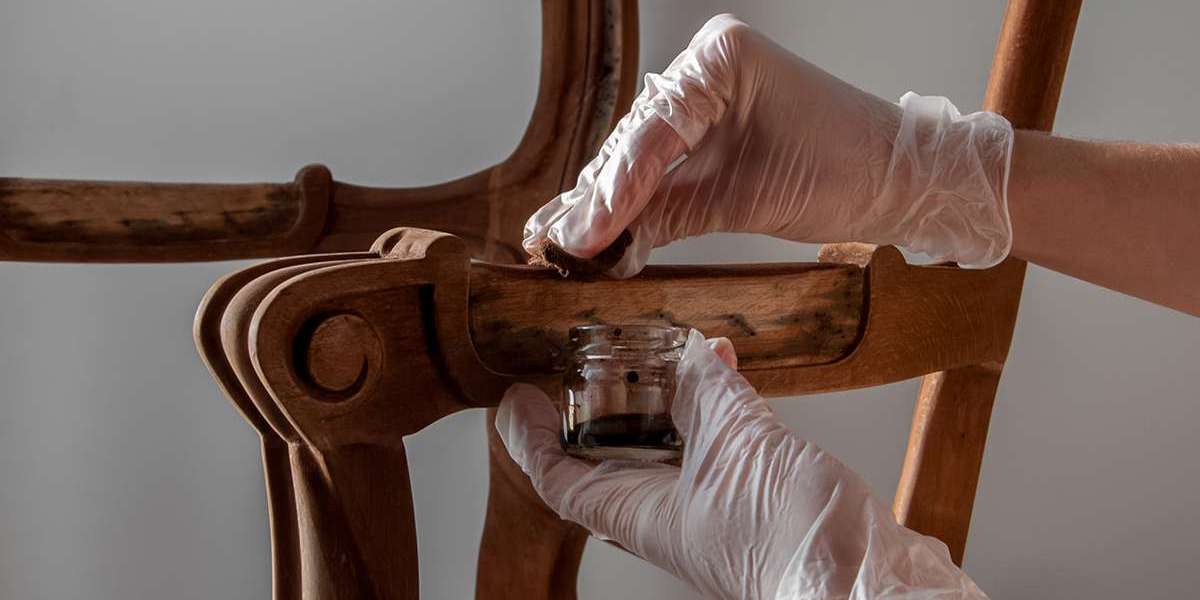
A scratched dining table, faded wood finish, or chipped cabinet can make an otherwise well-kept room look tired. In The Woodlands, where homes often feature quality wood furniture and custom interior pieces, high-end furniture services in Woodlands, TX can be a better choice than replacing a valuable item. Furniture Refinishing shares a practical view of what should be repaired, refinished, or simply touched up.
What Furniture Refinishing Services Actually Do
Furniture refinishing is more than applying a new coat of stain or paint. A proper job starts by identifying the existing finish, checking the condition of the wood, and deciding how much of the surface actually needs attention.
Minor problems such as light scratches, small chips, worn edges, water rings, and faded spots may only need localized correction. More serious damage can call for stripping the old finish, repairing the wood, sanding, staining, sealing, and applying a protective topcoat.
Working with clients in The Woodlands, our team found that many homeowners initially assume an entire piece needs to be stripped when the damage is limited to a few visible areas. That can add cost and remove more of the original finish than necessary.
The same principle applies to commercial furniture. A hotel lobby table or reception desk may have hundreds of daily contacts but only a few worn sections. Hotel furniture touchup work can sometimes restore those high-use areas without taking an entire piece out of service.
A skilled technician may work with wood veneer, solid hardwood, lacquer, polyurethane, shellac, painted surfaces, laminate, leather, or mixed materials. Matching sheen is just as important as matching color. A repair that has the right stain but the wrong gloss can still stand out under strong indoor lighting.
The Real Challenge in The Woodlands
The Woodlands presents a particular challenge for finished wood: heat and high humidity can put additional stress on furniture materials. Indoor climate control helps, but furniture still reacts to changes in moisture. Wood can expand and contract, while finishes may become dull, cloudy, sticky, or more vulnerable to scratches if maintenance is neglected.
A second issue is sunlight. Large windows and open-plan interiors are common in newer homes, and prolonged exposure can fade certain stains and finishes. A dining table may look consistent near the center while the section closest to a window gradually develops a different tone.
In The Woodlands, we've noticed that most homeowners are less concerned about a tiny scratch than they are about whether a repair will be visible afterward. That is a fair concern. A poorly matched stain, excessive sanding, or overly glossy coating can draw more attention to the damaged area.
A client in The Woodlands reached out after noticing pale rings and surface wear on a dark wood dining table. The damage was concentrated around the seating areas rather than across the whole top. Instead of stripping the entire table immediately, the appropriate approach was to assess the finish, correct the damaged sections, and determine whether a larger refinish was actually necessary.
This is one question that generic furniture articles often skip: Does every damaged piece need complete refinishing? No. Sometimes the most professional result comes from doing less.
Local service pages commonly promote full restoration, repair, refinishing, color matching, and on-site work, but the decision between a localized repair and a full refinish deserves more attention because it affects cost, turnaround time, and preservation of the original material.
How Furniture Refinishing Approaches the Work Differently
Furniture Refinishing approaches a project by treating the existing piece as the starting point rather than automatically assuming it needs a complete makeover.
The first step is inspection. The technician looks for loose joints, veneer lifting, deep scratches, dents, moisture marks, finish failure, fading, and structural problems. This determines whether the project is cosmetic, structural, or a combination of both.
Next comes finishing identification. Different coatings respond differently to sanding, solvents, stains, and repair products. An aggressive treatment on a delicate veneer can cause permanent damage, so the material needs to be understood before work begins.
Color matching is another major part of the process. The target is not simply the same brown, black, or natural wood tone. A professional match considers undertone, grain visibility, surrounding finish, age-related color changes, and sheen.
For furniture used in hospitality settings, the process also needs to account for repeated cleaning and heavy traffic. Hotel furniture repair services may involve loose hardware, damaged edges, worn veneer, scratches, dents, or finish failure. The repair should look appropriate while also standing up to routine use.
One useful insight often missing from generic refinishing guides is that sheen can matter more than color after the repair. Two finishes can have nearly identical color but look completely different if one reflects light more strongly. This is particularly noticeable on dining tables, reception desks, sideboards, and dark-stained furniture.
Local providers also advertise in-home touch-ups and workshop restoration, which shows that both service models are relevant in the area. The better choice depends on the size, material, value, and condition of the furniture rather than simply the convenience of one method.
Practical Tips: What to Know Before You Decide
Before approving any furniture restoration project, ask what actually needs to be done. A quote for complete stripping and refinishing may sound reasonable, but if the damage is limited, a smaller repair could preserve more of the original piece.
Start by checking the surface in natural daylight. Artificial lighting can hide subtle differences in color and sheen. Take photos from several angles and include close-ups of scratches, dents, stains, or peeling areas.
Ask whether the piece is solid wood or veneer. Veneer can be extremely attractive and durable, but it has a thinner wood surface than solid lumber. Excessive sanding can reduce the remaining material and make future repairs harder.
Consider the furniture's age and value as well. An antique, family heirloom, or high-quality vintage piece may need a different treatment from a mass-produced table. Preserving original details can sometimes be more valuable than making the furniture look brand new.
Working with clients in The Woodlands, we've noticed that climate control and placement also deserve attention after restoration. Avoid placing finished wood directly against damp exterior walls, keep furniture away from prolonged direct sunlight where possible, and maintain a reasonably stable indoor environment.
Another practical point is cleaning. Strong household cleaners can gradually affect certain finishes. A soft cloth and a product recommended for the specific finish are usually safer than experimenting with multipurpose chemicals.
For commercial properties, keep a maintenance record for frequently used pieces. Touch-up furniture services can be scheduled around visible wear before small defects become larger restoration projects. This can be particularly useful for hotel rooms, dining areas, offices, and reception spaces.
Cost should also be judged against replacement value. A well-made hardwood table with good joinery may be worth restoring even if the initial repair estimate seems higher than a new low-cost table. The quality of the underlying furniture matters.
Current local listings show that The Woodlands market includes specialists offering refinishing, repair, restoration, color matching, upholstery, and touch-up work, so customers have several service levels to consider rather than one standard type of repair.
Preserve the Piece Before Replacing It
Furniture that has lost its finish or picked up years of surface damage is not necessarily ready for the curb. A careful inspection can reveal whether a touch-up, structural repair, or full refinishing job makes the most sense. For Furniture Refinishing services in The Woodlands, start by documenting the damage and asking for an assessment before deciding how much work the piece really needs.
4. FAQs
1. How do I know if my furniture needs refinishing or just a touch-up?
A touch-up is usually suitable for limited scratches, chips, faded edges, or small finish defects where most of the original surface remains sound. Full refinishing may be better when the finish is badly worn, peeling, deeply stained, or uneven across a large area. An inspection can help determine the least invasive option.
2. How much does furniture refinishing cost in The Woodlands?
There is no reliable flat price because furniture size, material, finish type, damage, repairs, and labor can vary considerably. A small table touch-up may cost far less than stripping and refinishing a large dining set. Ask for an itemized estimate that separates structural repairs from cosmetic finishing work.
3. Can damaged hotel furniture be repaired without replacing it?
Often, yes. Scratched edges, worn finishes, dents, loose components, and localized damage can sometimes be repaired without replacing the entire piece. Hotel furniture repair services are especially useful for keeping frequently used furniture in service. The condition of the underlying wood or material determines whether repair is practical.
4. How can I tell if a furniture refinishing company is trustworthy?
Ask how they identify the existing finish, handle veneer, match colors, protect surrounding areas, and decide between spot repair and complete refinishing. Look for clear estimates, examples of previous work, realistic timelines, and straightforward answers about limitations. A trustworthy professional should explain what can and cannot be restored before taking the piece.
5. Can furniture be refinished while keeping its original appearance?
Yes, in many cases. Refinishing does not always mean changing the furniture's color or character. A technician can sometimes preserve the existing tone, grain visibility, edge details, and overall style while correcting worn or damaged areas. For older or valuable pieces, discussing preservation goals before work begins is especially important.