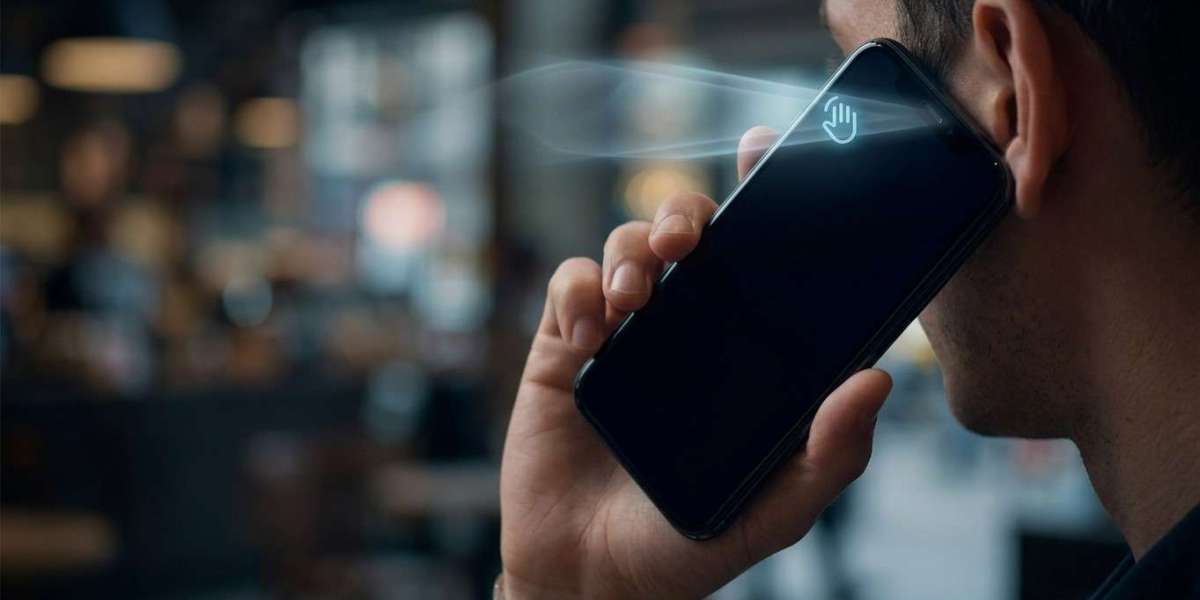
A smartphone screen turning off during a phone call is normally a useful feature. The proximity sensor detects when your phone is close to your face and turns the display off to prevent accidental touches. However, problems occur when the screen stays black after you move the phone away from your face or when you cannot wake the display during or after a call. This can make it difficult to use the keypad, switch to speakerphone, end the call, or access other features.
Several issues can cause this behavior, including a blocked proximity sensor, a screen protector, software glitches, physical damage, moisture, or a faulty sensor. Understanding the cause can help you determine whether a simple adjustment will solve the problem or whether professional cell phone repair El Paso is necessary.
The issue can affect both Android smartphones and iPhones. Samsung users experiencing persistent call-screen problems may benefit from professional Samsung phone repair El Paso diagnostics. iPhone users can consider iPhone repair El Paso if the display repeatedly stays black during calls. If the problem started after a cracked display or physical impact, iPhone screen repair El Paso may also be necessary. A trusted provider such as SmartPhone Solutions can help determine whether the problem involves the proximity sensor, display, software, or another internal component.
How the Proximity Sensor Works During Calls
Your smartphone uses a proximity sensor to determine when your face is close to the screen.
When you hold the phone near your ear, the sensor detects the nearby object and instructs the display to turn off.
This helps prevent accidental touches.
For example, it prevents your cheek from accidentally:
- Muting the call
- Ending the call
- Opening another application
- Pressing numbers on the keypad
- Activating other controls
When you move the phone away from your face, the sensor should recognize the change and allow the screen to turn back on.
If that does not happen, something may be interfering with the sensor or the software responsible for controlling the display.
Common Signs of a Proximity Sensor Problem
A faulty or obstructed proximity sensor can produce several symptoms.
You may notice that:
- The screen stays black after moving the phone away.
- The display turns off immediately after a call begins.
- The screen repeatedly turns on and off during calls.
- You cannot access the keypad while talking.
- The display wakes only after the call ends.
- The problem happens during every call.
- The issue started after a screen replacement.
- The problem began after dropping the phone.
These symptoms can help determine whether the problem is related to the proximity sensor or another part of the device.
1. A Dirty Screen Can Block the Sensor
One of the easiest causes to fix is dirt around the top portion of the display.
The proximity sensor is typically located near the earpiece and front-facing camera area.
Dust, oil, fingerprints, and other residue can interfere with the sensor.
Clean the front of the phone gently using a soft, dry microfiber cloth.
Pay particular attention to the area around the earpiece and front sensors.
Avoid using excessive liquid directly on the screen.
After cleaning, make a test call and move the phone away from your face to see whether the display wakes normally.
2. Your Screen Protector May Be Blocking the Sensor
A screen protector can sometimes interfere with proximity-sensor operation.
This is more likely when the protector:
- Does not fit the phone correctly
- Covers the sensor area
- Has bubbles near the top of the display
- Is cracked
- Has dust underneath
- Is poorly aligned
If the problem started after installing a new screen protector, temporarily removing it can help identify whether it is responsible.
If the screen works correctly without the protector, replace it with a properly designed protector for your specific phone model.
3. A Phone Case Can Interfere With the Display Area
Although cases usually do not directly affect proximity sensors, an improperly fitted case can cover part of the front panel.
Check whether the case overlaps the earpiece, front camera, or sensor area.
Remove the case temporarily and make a test call.
If the display behaves normally without the case, the accessory may be interfering with the sensor.
4. Restart the Smartphone
Temporary software glitches can cause the proximity sensor to behave incorrectly.
Restarting the phone is a simple troubleshooting step.
After restarting, make another call and test the display.
If the problem disappears after restarting but later returns, a software process or application may be interfering with the phone's call functions.
Repeated problems should be investigated further rather than relying on frequent restarts.
5. Check for Software Updates
The operating system controls many of the functions involved in calls and display behavior.
A software bug can sometimes cause problems with:
- Proximity detection
- Screen wake behavior
- Call controls
- Touch response
- Display settings
Check for official software updates.
Manufacturers regularly release updates that fix bugs and improve device compatibility.
After installing an update, restart the phone and test the call screen again.
6. Test the Problem With Multiple Calls
Before assuming that the hardware is faulty, make several test calls.
Pay attention to whether the problem happens:
- With every call
- Only with certain contacts
- Only when using the phone near your face
- Only when using speakerphone
- Only with a particular calling application
If the issue occurs only in one application, the problem may be software-related.
If it happens during every normal cellular call, the proximity sensor or display system may require further investigation.
7. Third-Party Calling Apps May Behave Differently
Applications such as internet-based calling services may use their own interface and sensor behavior.
If the screen turns off incorrectly only during calls made through a specific application, update that application first.
You can also restart the application and check its permissions.
If normal cellular calls work correctly while the third-party application causes the problem, the phone's hardware may not be the primary issue.
8. Physical Damage Can Affect the Proximity Sensor
A smartphone can suffer internal damage after a significant impact.
The phone may look functional while certain sensors or internal connections have been affected.
Pay attention to whether the problem began after:
- Dropping the phone
- Cracking the display
- Bending the device
- Applying pressure to the screen
- Having the phone repaired
If the display or front assembly was damaged, the proximity sensor may no longer operate correctly.
Professional inspection can help determine whether the sensor or display assembly has been affected.
9. Previous Screen Repairs Can Cause Sensor Problems
The proximity sensor is located near components involved in the front display assembly.
If the screen was recently replaced and the problem appeared afterward, tell the repair technician when the issue started.
An incorrectly positioned component, damaged sensor, incompatible replacement part, or connection problem can potentially affect proximity detection.
This is especially important when the screen itself was replaced shortly before the call-screen problem appeared.
For iPhone owners, professional iPhone screen repair El Paso can include checking related components when display or sensor problems occur after physical damage.
10. Moisture Can Affect the Sensor
Liquid exposure can cause unusual sensor behavior.
Even when a phone continues working after getting wet, moisture may affect internal components.
If the screen began staying black during calls after exposure to:
- Rain
- Spilled drinks
- High humidity
- Water splashes
- Other liquids
do not assume the problem will disappear on its own.
Liquid damage can become worse over time as corrosion develops.
Professional inspection may be necessary if multiple functions begin behaving abnormally.
11. The Screen May Actually Have a Display Problem
Not every black screen during a call is caused by the proximity sensor.
The phone may be working normally while the display itself fails to wake.
Look for other symptoms such as:
- Screen flickering
- Black areas
- Display lines
- Delayed touch response
- Brightness problems
- Random screen shutdowns
- Unresponsive touch
If these problems occur outside of calls as well, the display assembly may need inspection.
12. Check the Power Button
The power button can also affect how the display behaves during calls.
If the button is damaged, stuck, or accidentally pressed, the screen may turn off unexpectedly.
Check whether the button:
- Feels stuck
- Requires unusual pressure
- Fails to respond
- Activates repeatedly
- Was damaged during a drop
If the button is physically damaged, professional repair may be required.
13. Avoid Covering the Sensor While Testing
When testing the proximity sensor, hold the phone normally.
Do not place your finger over the sensor area unless you are specifically testing whether the sensor responds.
Make a call and move the phone away from your face.
The screen should normally wake when the sensor detects that the phone is no longer close to your face.
If the screen remains black despite a clean, unobstructed sensor area, further troubleshooting may be necessary.
What to Do If the Screen Stays Black After Every Call
If the display remains black after every call, try these steps:
- Clean the screen.
- Remove the screen protector temporarily.
- Remove the phone case.
- Restart the device.
- Install available software updates.
- Test several calls.
- Check whether the power button works correctly.
- Look for signs of physical or liquid damage.
If none of these steps help, professional diagnostics can determine whether the problem involves the proximity sensor, display, software, or another internal component.
When Should You Seek Professional Repair?
Professional cell phone repair El Paso may be appropriate when the screen repeatedly remains black during calls despite basic troubleshooting.
Consider professional diagnostics if:
- The problem happens during every call.
- The display remains black after moving the phone away.
- The phone was recently dropped.
- The screen is cracked.
- The problem began after a screen replacement.
- The phone experienced liquid exposure.
- The display also has problems outside of calls.
- Other sensors are malfunctioning.
- The phone's power button is unreliable.
Samsung users can consider Samsung phone repair El Paso when a Galaxy device has persistent proximity-sensor or call-display problems.
iPhone users can consider iPhone repair El Paso when the screen repeatedly fails to wake during calls.
If physical display damage is involved, iPhone screen repair El Paso may be part of the necessary solution.
How to Prevent Future Proximity Sensor Problems
A few simple habits can help reduce the risk of sensor-related problems.
Keep the front of your phone clean.
Use a high-quality screen protector designed for your specific model.
Avoid covering the sensor area with stickers or accessories.
Protect your phone from drops and impacts.
Keep the device away from water and excessive moisture.
Use reputable repair services when replacing a damaged display.
Keep your phone's software updated.
Address display or sensor problems early instead of continuing to use a device with worsening symptoms.
Why Professional Diagnosis Matters
A phone screen that turns off during calls is not automatically experiencing a hardware failure.
The behavior may be completely normal when the proximity sensor detects your face.
The problem occurs when the display remains off after you move the phone away or behaves unpredictably.
A dirty sensor, screen protector, software issue, damaged display, faulty sensor, or internal connection can all produce similar symptoms.
Professional diagnostics can identify the actual cause before unnecessary components are replaced.
This can save time and help ensure that the correct repair is performed.
Final Thoughts
A smartphone screen turning off during a call is normally expected because the proximity sensor is designed to prevent accidental touches. However, when the display stays black after you move the phone away from your face, the cause may be a dirty sensor, screen protector, case, software glitch, physical damage, liquid exposure, or a faulty proximity sensor. Start with simple troubleshooting by cleaning the screen, checking the sensor area, removing accessories temporarily, restarting the phone, testing multiple calls, and installing available software updates.
If the problem continues, particularly after a drop, liquid exposure, or previous screen repair, professional cell phone repair El Paso can help identify the underlying issue. Samsung users can consider Samsung phone repair El Paso, while iPhone owners may benefit from iPhone repair El Paso diagnostics. If the display is cracked or damaged, iPhone screen repair El Paso can be included during a complete inspection. With assistance from a trusted provider such as SmartPhone Solutions, you can determine whether the problem involves the proximity sensor, display assembly, software, power button, or another internal component and restore reliable screen behavior during calls.