
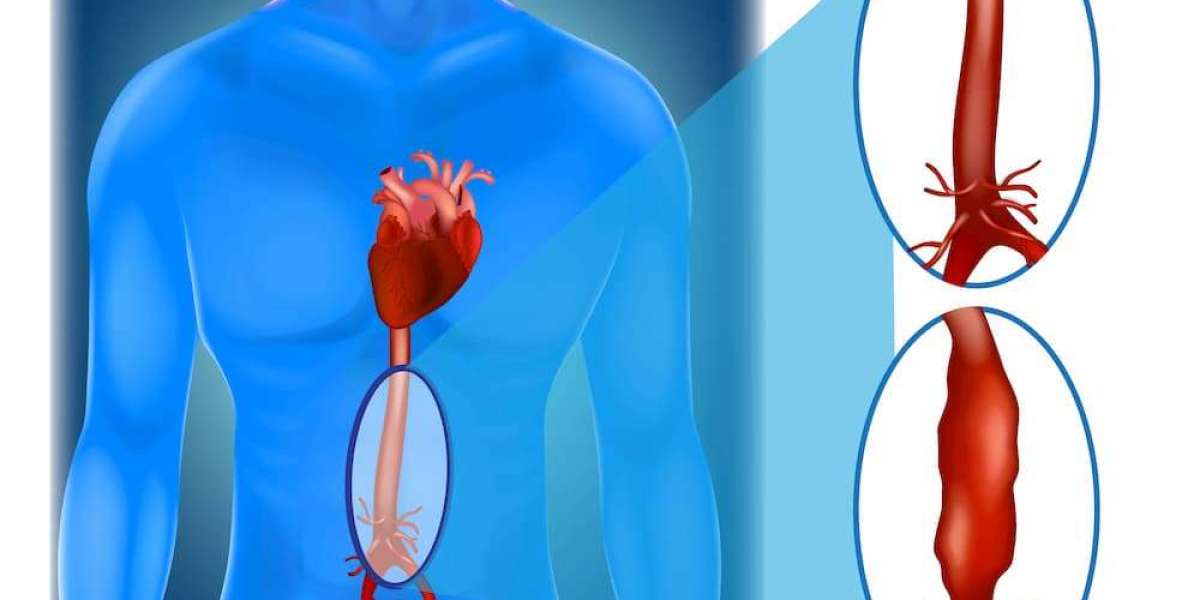
Aorta Singapore is about understanding aorta health, aortic aneurysms, and local care options. This article explains what an aortic aneurysm is, who is at risk in Singapore, how screening works, and where to get treatment.
TL;DR
- An aortic aneurysm is a dangerous bulge in the aorta Singapore that can rupture without warning.
- In Singapore overall prevalence is about 1.3%, higher in men 60+ (2.5–4%).
- Screening is advised for high-risk men, especially smokers and those with cardiovascular disease.
- Small aneurysms are monitored; large or fast-growing aneurysms need repair (EVAR or open surgery).
- Reliable local care includes public hospitals and specialist centres like PanAsia Surgery.
Aortic aneurysm basics
An aortic aneurysm is a weakened, bulging section of the aorta that risks rupture.
An aortic aneurysm is an abnormal dilation of the aortic wall that can form in the chest or abdomen. Examples include thoracic aortic aneurysm and abdominal aortic aneurysm (AAA). *A ruptured aneurysm can be fatal within hours.*
Stats and context: Globally AAA prevalence is around 0.92% in adults 30–79. In Singapore, studies report roughly 1.3% prevalence with higher rates among older men. Early detection drastically improves outcomes.
Singapore-specific epidemiology
Aortic disease in Singapore mirrors global trends but shows higher prevalence in older males with cardiovascular risk factors.
Local data: Population studies in Singapore estimate a 1.3% overall prevalence and 2.5–4% in males aged 60+ with risk factors. The male-to-female ratio is roughly 1.46% to 0.39%.
Practical note: Use these figures to judge personal risk. *Men aged 60+ who smoke or have high blood pressure face the highest risk.*
Risk assessment & screening
Screening targets men at higher risk; risk factors guide decisions.
Risk assessment identifies who should get an ultrasound to detect AAA early. Common risk factors include age over 65, smoking history, hypertension, high cholesterol, and family history of aneurysm.
Who should be screened?
Screening is recommended for older male smokers and those with vascular disease.
Example guidance: Singapore clinical guidance often targets men aged 65 and above with a smoking history or cardiovascular disease. Talk to your GP if you have a family history or multiple risk factors.
How is an aortic aneurysm diagnosed?
Abdominal ultrasound is the primary diagnostic tool; CT is used for planning surgery.
A trained sonographer measures the aortic diameter by ultrasound. If the ultrasound shows a large or complex aneurysm, a CT angiogram maps size and anatomy before treatment.
Treatment & management
Small aneurysms are monitored; larger ones need repair by EVAR or open surgery.
Management depends on size and growth rate. Stable small AAAs (<5 cm) are managed medically and with surveillance. Larger or symptomatic AAAs usually require repair.
When does an aortic aneurysm need surgery?
Surgery is recommended when the rupture risk outweighs operative risk, commonly at 5–5.5 cm for abdominal aneurysms.
Examples and stats: Yearly rupture risk rises from about 1% at 4–4.9 cm to up to 10–22% at 6–6.9 cm. Rapid expansion (>0.5 cm in 6 months) also prompts repair.
Endovascular repair vs open surgery
EVAR uses a stent graft delivered through arteries; open repair replaces the aneurysmal segment via an operation.
EVAR is less invasive and shortens recovery time. Open surgery is more durable long term for some anatomies. Choice depends on aneurysm shape, patient health, and local surgical expertise.
Lifestyle & prevention
Lifestyle changes lower progression risk and improve surgical outcomes.
Control blood pressure and cholesterol, stop smoking, maintain healthy weight, and exercise. *Smoking cessation is the single most effective prevention measure for AAA progression.*
Where to get vascular care in Singapore
Public hospitals and specialist centres provide diagnosis and repair; pick accredited vascular teams.
Examples and resources: Major centres like Singapore General Hospital provide vascular surgery services and patient information on aortic disease (https://www.sgh.com.sg). The Ministry of Health Singapore offers public health guidance (https://www.moh.gov.sg). For specialist surgical care and a patient-facing overview, see PanAsia Surgery’s local resource on aortic symptoms and treatment: PanAsia Surgery Aorta symptoms and care.
Summary
Aorta Singapore covers what an aortic aneurysm is, who is at risk locally, how screening works, and treatment choices. Use risk factors to decide on screening. Seek care early if you have symptoms or a family history. Trusted local resources include public hospitals, MOH guidance, and specialist centres such as PanAsia Surgery.
FAQs
What is an aortic aneurysm and how serious is it?
An aortic aneurysm is a bulge in the aorta that can rupture and cause life-threatening bleeding; early detection greatly reduces risk.
Who should be screened for AAA in Singapore?
Men aged 65+ with a smoking history or cardiovascular disease are typical screening candidates; discuss personal risk with your GP.
How is an aortic aneurysm treated?
Treatment ranges from regular ultrasound monitoring to endovascular repair (EVAR) or open surgery, depending on size and growth.
Can lifestyle changes prevent aneurysms?
Yes. Controlling blood pressure, quitting smoking, and managing cholesterol reduce progression and improve outcomes.
Where can I get urgent care in Singapore?
Go to the nearest emergency department for severe chest, back, or abdominal pain; contact public hospital vascular teams or specialist centres for elective issues.