Spinal cord injuries (SCI) are among the most serious neurological conditions, often leading to long-term disability and life-altering challenges. However, with advances in medical science and rehabilitation, there is now greater hope for recovery and improved quality of life. At the Neurology and Pain Management Clinic (NPMC), Dr. Gautam Arora, an experienced neurologist, provides comprehensive and modern care for patients affected by spinal cord injuries.
Understanding Spinal Cord Injuries
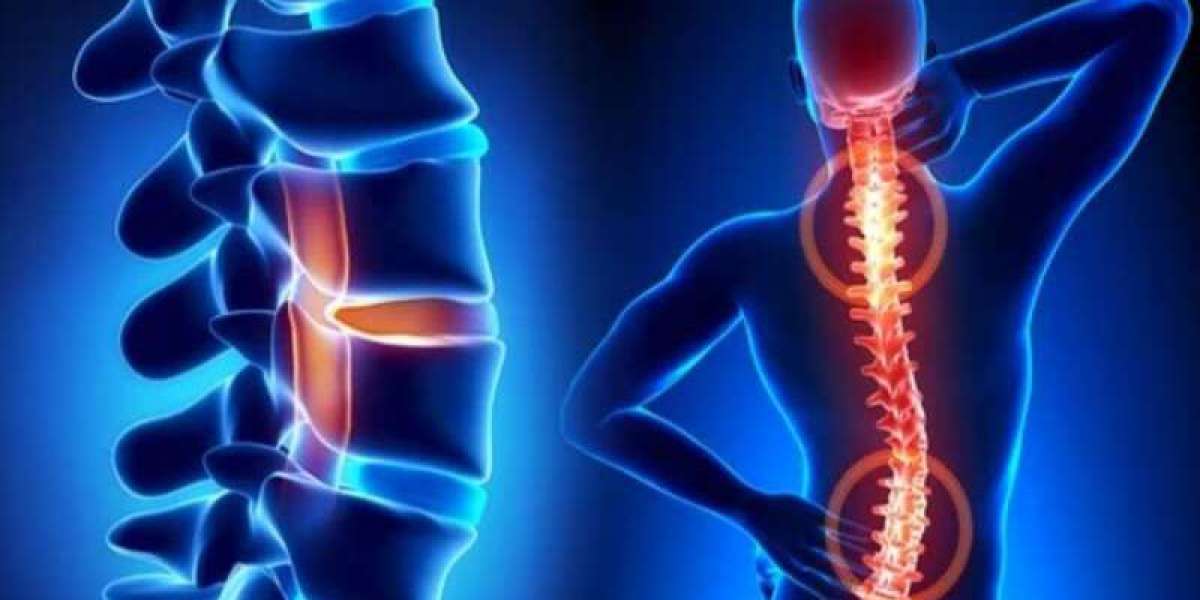
The spinal cord is a vital structure that carries messages between the brain and the rest of the body. When it gets damaged due to trauma or disease, communication between the brain and muscles is disrupted. Spinal cord injuries can be complete (total loss of movement and sensation below the injury) or incomplete (partial preservation of function).
Common causes include road traffic accidents, falls from height, sports injuries, violent trauma, infections, and spinal tumors. Non-traumatic causes such as disc herniation, spinal stenosis, and inflammation can also lead to spinal cord damage over time.
Symptoms of Spinal Cord Injury
Symptoms vary depending on the level and severity of injury, but may include:
- Loss of movement or paralysis
- Loss of sensation (touch, pain, temperature)
- Muscle weakness or stiffness
- Difficulty breathing in high cervical injuries
- Loss of bladder or bowel control
- Chronic nerve pain or burning sensations
Early recognition and immediate medical intervention are crucial to minimize permanent damage.
Modern Treatment Approaches
Treatment for spinal cord injury focuses on preventing further damage, managing symptoms, and promoting functional recovery.
1. Emergency Medical Care: Immediate stabilization of the spine is essential to prevent additional injury. This may involve immobilization, oxygen support, and controlling blood pressure.
2. Medications: Anti-inflammatory drugs, pain medications, muscle relaxants, and nerve pain medications are used to reduce swelling and control symptoms.
3. Advanced Imaging & Diagnosis: At NPMC, Dr. Gautam Arora uses MRI, CT scans, and neurological assessments to evaluate the exact location and extent of injury.
4. Non-Surgical Management: Many patients benefit from physiotherapy, occupational therapy, and neuro-rehabilitation to regain strength, coordination, and independence.
5. Pain Management Techniques: Chronic pain is a major issue after spinal injuries. NPMC offers nerve blocks, spinal injections, and non-invasive pain therapies to improve comfort and mobility.
6. Surgical Intervention: In selected cases, surgery may be required to remove pressure on the spinal cord, stabilize fractures, or treat tumors.
Hope for Recovery
While spinal cord injuries were once considered permanent, modern research shows that partial recovery is possible, especially in incomplete injuries. Neuroplasticity—the brain’s ability to adapt and reorganize—plays a key role in rehabilitation.
Innovations such as robotic-assisted therapy, electrical stimulation, stem cell research, and advanced rehabilitation programs are providing new hope for patients worldwide. Although full recovery may not always be achievable, significant improvements in mobility, pain control, and daily functioning are now realistic goals.
Rehabilitation: The Key to Progress
Rehabilitation is the most important part of recovery. A structured program includes:
- Physical therapy to strengthen muscles
- Occupational therapy to regain daily skills
- Psychological counseling for emotional well-being
- Lifestyle guidance for long-term independence
Dr. Gautam Arora emphasizes a patient-centred approach, ensuring that treatment plans are customized according to individual needs and goals.
When to Seek Specialist Care
You should consult a neurologist immediately if there is:
- Sudden weakness or paralysis
- Loss of sensation
- Severe back or neck injury
- Problems with bladder or bowel control
Early expert care can significantly improve outcomes.
Expert Care at NPMC
At the Neurology and Pain Management Clinic, Dr Gautam Arora combines modern neurology with advanced pain management techniques to provide holistic care for patients with spinal cord injuries. His focus is not only on medical treatment but also on restoring dignity, independence, and hope.
Conclusion
Spinal cord injuries are life-changing, but they are no longer hopeless conditions. With timely diagnosis, modern treatment approaches, and dedicated rehabilitation, patients can achieve meaningful recovery and lead fulfilling lives. At NPMC, under the expert guidance of Dr. Gautam Arora, individuals receive compassionate, evidence-based care that empowers them to move forward with confidence and resilience.