In the world of high-grade nutraceutical ingredients, Dihydroquercetin (DHQ), also known as taxifolin, stands apart. This potent flavonoid, sourced from the heartwood of the Siberian larch tree (Larix sibirica) or Chinese larch (Larix gmelinii), has captured significant interest for its powerful antioxidant and cardiovascular support properties. For global brands, China's role in the wholesale market for this ingredient is not just about supply—it's about a sophisticated focus on purity and a highly technical, results-driven supply chain. This is a market defined by chemical specifications, not generic botanical claims.
The Benchmark of Purity: Why DHQ is Different
Unlike many botanical extracts which are standardized to a percentage of active compounds, Dihydroquercetin itself is the active compound. The primary conversation with a supplier, therefore, shifts from "standardization" to purity percentage. This is the single most critical specification.
The market tiers are clearly defined by this number:
Food/Cosmetic Grade: Typically ranges from 70% to 95% purity. This is suitable for applications where the highest bioactive precision is not the primary driver, such as in certain functional foods or cosmetic formulations.
Nutraceutical/Pharmaceutical Grade: This is where the market demands rigor. Purity levels of 98%, 99%, and most critically, 99.5%+ are the benchmarks. Any impurity, even at a fraction of a percent, can be a sign of incomplete refinement or the presence of structurally similar but less effective flavonoids like quercetin. For a premium supplement brand, sourcing anything below 98% purity is a significant compromise on ingredient integrity.
The Core Documents: Your Quality Toolkit
In a market where the product is a near-pure chemical compound, documentation is not supportive evidence—it is the primary product evidence. The sourcing process hinges on three key documents:
The Certificate of Analysis (CoA): This is non-negotiable. A comprehensive CoA must confirm the assayed purity percentage (via HPLC), and must also detail residual solvents from the extraction process, heavy metals (lead, arsenic, cadmium, mercury), microbial limits, and pesticide residues. The CoA should be batch-specific.
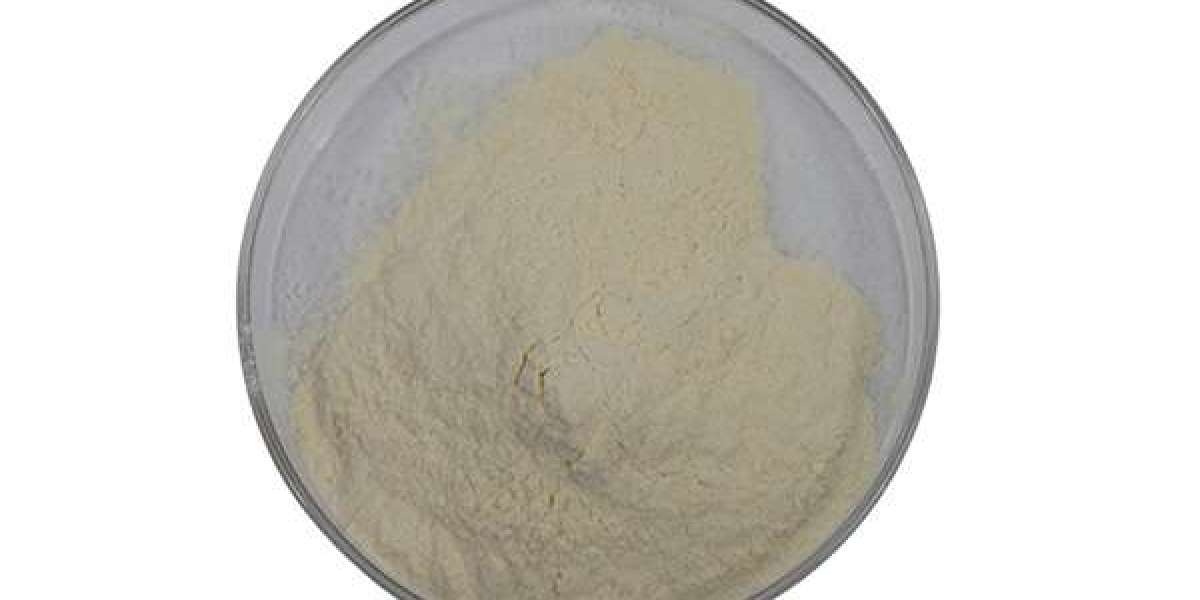
The Technical Data Sheet (TDS): This provides the full specification profile, including physical characteristics like appearance (a fine, off-white to light yellow powder is standard), solubility, and melting point.
GMP & ISO Certifications: Given DHQ's application in human consumption, verification that the manufacturer operates under Good Manufacturing Practice (GMP) for dietary ingredients and holds relevant ISO certifications (like ISO 9001, ISO 22000) is essential. This assures a controlled, auditable production environment.
Navigating the Supplier Landscape
The DHQ supply chain in China is advanced but requires careful navigation. The most reliable suppliers are typically specialized fine chemical or nutraceutical ingredient manufacturers, not general botanical extract traders. They often have in-house R&D and advanced chromatographic purification technology to achieve the high-purity benchmarks.
Key considerations when evaluating suppliers include:
Source of Raw Material: While Siberian larch is the classic source, sustainable Chinese larch is common. The supplier should know their sourcing to ensure consistency and address any sustainability queries.
Purification Process: The method of purification (e.g., column chromatography, crystallization) directly impacts the final purity, cost, and environmental footprint of the product. Top-tier suppliers can explain their process.
Application Support: A strong supplier can provide formulation guidance, such as DHQ's stability in various pH conditions or its compatibility with other ingredients, which is valuable for product development.
The Due Diligence Imperative
The high value and specific chemical nature of DHQ make it susceptible to two main risks: adulteration (cutting with cheaper fillers or quercetin) and mislabeling of purity levels. Your due diligence is the only firewall.
Always insist on a pre-shipment sample from the exact production batch you intend to purchase. Then, conduct third-party laboratory verification. Have an independent lab run an HPLC analysis to confirm the purity matches the supplier's CoA. This step, while an added cost, is fundamental to securing a genuine, high-performance ingredient.
Sourcing Dihydroquercetin from China successfully is a partnership built on science and verification. It moves far beyond traditional herbal sourcing into the realm of precision chemistry. For a brand, it demands a focus on the unambiguous language of purity percentages, chromatograms, and certified manufacturing processes. The goal is to secure not just an "antioxidant," but a molecule of known structure and proven potency—an ingredient where the supplier's technical capability is directly visible in the purity number on the label. This meticulous approach transforms a complex supply chain into a reliable foundation for premium product formulations.
Would you like to delve deeper into the specific stability and formulation challenges associated with incorporating high-purity DHQ into different delivery systems, such as capsules versus effervescent tablets?