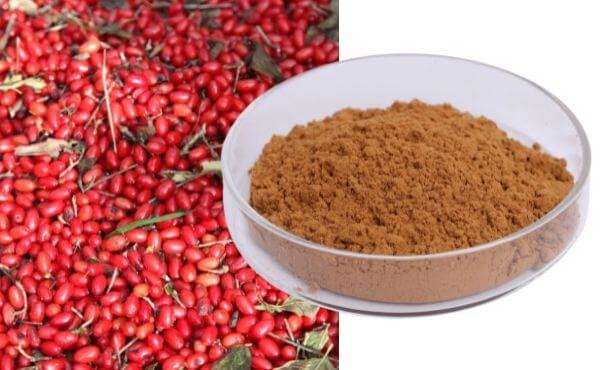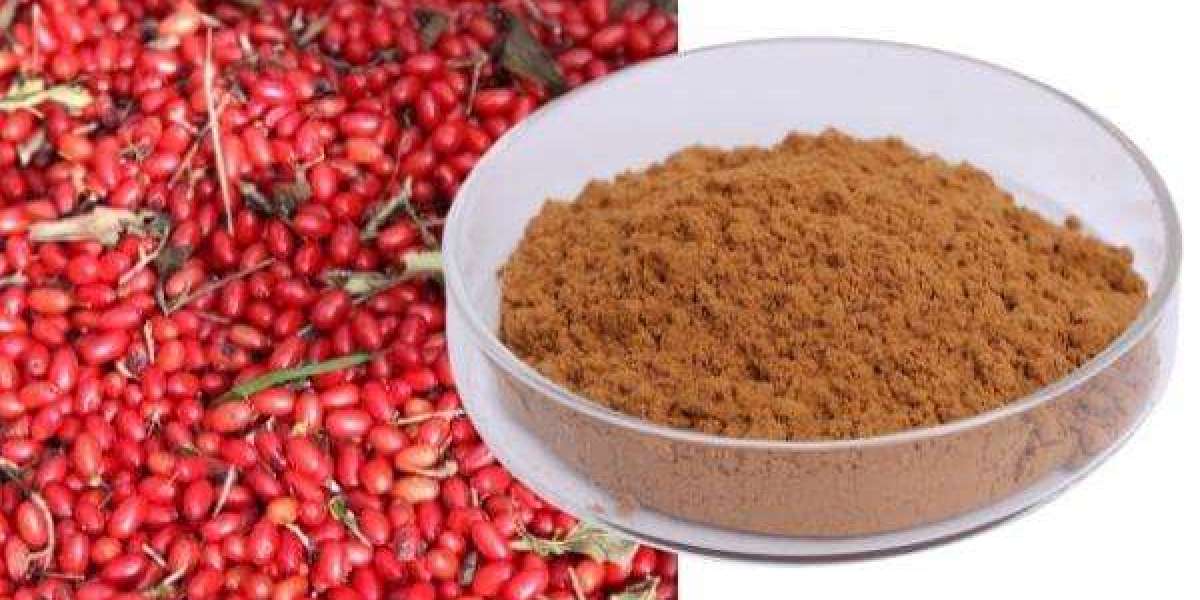
For buyers in the global wellness industry, sourcing ingredients like Dogwood Fruit Extract (Cornus officinalis), known as "Shanzhuyu" in Traditional Chinese Medicine, presents a unique opportunity intertwined with significant challenges. While China is the historical and agricultural epicenter for this prized berry, navigating its wholesale extract market requires moving beyond simple procurement to understand a complex botanical with specific quality markers.
Dogwood fruit, distinct from the ornamental flowering dogwood common in North America, is a staple in TCM. It is primarily valued for its potential benefits related to liver and kidney health, and its use in formulas targeting vitality and longevity. For modern supplement brands, it's often positioned as a source of antioxidants and bioactive compounds. However, the leap from this traditional use to a reliable, bulk extract involves critical technical and verification steps.
The Core of Quality: Understanding Key Compounds
The efficacy and value of a Dogwood Fruit Extract are defined by its standardized content of specific active compounds. When evaluating suppliers, these are the non-negotiable markers to discuss:
Ursolic Acid & Oleanolic Acid: These triterpenoid acids are among the most significant bioactive constituents, researched for their anti-inflammatory and hepatoprotective properties. Reputable extracts are often standardized to a combined percentage of these acids (e.g., 5%, 10%, or higher).
Loganin and Morroniside: These are the primary iridoid glycosides in Cornus officinalis. They are considered key quality markers in TCM pharmacopeia standards and are crucial for authenticity testing. Sophisticated suppliers will provide HPLC (High-Performance Liquid Chromatography) analysis quantifying these compounds.
Total Polyphenols/Flavonoids: As with many berry extracts, the total antioxidant capacity, often measured as total polyphenols or flavonoids, is a common specification for general wellness products.
A supplier's ability to provide a detailed Certificate of Analysis (CoA) for each batch, confirming the levels of these specific compounds, is the first and most important filter for credibility. A generic CoA that only lists "heavy metals and microbiology" is insufficient for a sophisticated botanical like this.
Navigating the Sourcing Landscape and Challenges
The wholesale market for Dogwood extract in China is not as uniformly established as for more common botanicals like green tea or ginseng. This presents specific challenges:
Authenticity is Paramount: Adulteration is a known risk in botanical supply chains. Lower-cost extracts may be diluted with filler material or substituted with extracts from other, less valuable Cornus species. The specific quantification of loganin/morroniside is a primary defense against this.
The Processing Spectrum: The final product's application dictates the required extract form. You'll find everything from simple spray-dried powders of the whole fruit juice (high in polysaccharides, lower in concentrated actives) to highly purified, solvent-extracted powders standardized to 50%+ ursolic acid. Knowing your end-product goal is essential for selecting the right specification.
The Certification Question: While organic certification of the raw fruit is growing in China, certified organic Dogwood Fruit Extract is less common and commands a premium. Other certifications to seek include GMP (Good Manufacturing Practice) for dietary ingredients, ISO 22000 for food safety management, and specific testing for contaminants like heavy metals (lead, cadmium, arsenic) and pesticides.
Building a Reliable Supply Partnership
Given these complexities, the sourcing process should be approached as building a technical partnership. Here are practical steps:
Start with Specifications: Approach suppliers with a clear technical data sheet (TDS) outlining your desired compound specifications, form (powder, liquid), and target potency. This separates serious manufacturers from traders.
Audit Documentation Before Price: Request full, batch-specific documentation—CoA, TDS, and MSDS (Material Safety Data Sheet)—for evaluation before deep price negotiations. A reputable supplier will provide these readily.
Sample and Validate: Always test a working sample in your own labs or through a trusted third-party lab. Verify that the compound levels match the supplier's CoA and that the sensory profile (color, taste, smell) is consistent and free of off-notes, which can indicate poor processing or stale raw material.
Clarify the Supply Chain: Inquire about the origin of the raw fruit. Is it wild-harvested or cultivated? Cultivated material from a known region often offers more consistent quality and better traceability.
Sourcing Dogwood Fruit Extract from China successfully is an exercise in botanical specificity and supply chain diligence. It is not about finding the cheapest option but about identifying a partner with the technical expertise to deliver a genuine, potent, and consistent material. The process hinges on speaking the language of active compounds, demanding transparent verification, and understanding that for a niche botanical like this, quality is intrinsically linked to a deep knowledge of the raw material itself. For brands, this diligence is what transforms a traditional ingredient into a trustworthy, modern supplement component.
Would you like to explore how these extracts are typically formulated into final products, such as capsule blends or liquid tinctures?