Rust and corrosion are two of the most common concerns when owning a metal shipping container, especially when it is exposed to rain, humidity, standing water, salt air, or changing temperatures. Whether you are comparing shipping containers for sale, searching for a shipping container for sale near me, or looking at storage containers for sale, proper maintenance can help protect your investment. Conex Hub offers new and used shipping containers for storage, business, construction, and other applications, making it important to understand how regular care can help maintain a container over time.
Fortunately, preventing rust does not have to be complicated. Keeping the container dry, inspecting it regularly, addressing scratches and damaged paint, and maintaining good drainage around the unit can all help reduce corrosion.
In this guide, we'll explain what causes shipping container rust, how to prevent it, and what to do if you already notice signs of corrosion.
Table of Contents
- What Causes Shipping Containers to Rust?
- Why Rust Prevention Matters
- 8 Ways to Protect a Shipping Container From Rust
- How to Deal With Existing Rust
- Choosing a Container That Helps Reduce Rust Concerns
- Common Rust Prevention Mistakes
- FAQs
- Final Thoughts and CTA
What Causes Shipping Containers to Rust?
Shipping containers are generally built from weather-resistant steel, but steel can still corrode when exposed to moisture and oxygen over time.
Common causes of rust include:
- Rain and standing water
- High humidity
- Coastal or salty environments
- Scratches and damaged paint
- Poor drainage
- Dirt and debris collecting around the container
- Water entering through damaged seals
- Condensation inside the container
- Long-term exposure to harsh weather
Rust often starts in small areas where the protective coating has been damaged. If left untreated, corrosion can gradually spread and potentially affect the structural condition of the container.
Why Rust Prevention Matters
A small rust spot may initially appear to be a cosmetic issue, but ignoring corrosion can allow it to become more serious.
Maintaining the exterior can help:
- Protect the steel from further corrosion
- Extend the useful life of the container
- Preserve its appearance
- Reduce future repair work
- Help protect stored belongings from water intrusion
- Maintain the container's overall condition
Conex Hub's used containers are described as wind and watertight and suitable for storage and projects, but ongoing maintenance is still important after delivery.
8 Ways to Protect a Shipping Container From Rust
1. Inspect the Container Regularly
Regular inspections are one of the easiest ways to identify corrosion before it becomes a larger problem.
Look closely at:
- Roof panels
- Door frames
- Corner posts
- Door hinges
- Seams and joints
- Lower edges of the container
- Areas around scratches or dents
- Places where water tends to collect
A quick inspection every few months can help you catch developing problems early.
2. Keep the Container Dry
Moisture is one of the primary factors behind corrosion.
Make sure water can drain away from the container instead of pooling underneath or around its base.
Conex Hub recommends firm, dry, level ground for container placement and identifies pavement, gravel, and hard-packed dirt as suitable site conditions. Soft soil, mud, and sand can create settling and delivery complications.
3. Maintain Good Drainage
Proper drainage is especially important in areas that receive frequent rainfall.
Avoid placing a container in a low area where water naturally collects. If necessary, improve drainage around the site so rainwater moves away from the container.
Keeping vegetation and debris away from the container's base can also make it easier to inspect for moisture and corrosion.
4. Repair Scratches and Paint Damage
The protective coating on a container helps shield the steel underneath.
If the coating is scratched, chipped, or damaged, the exposed metal can become more vulnerable to corrosion.
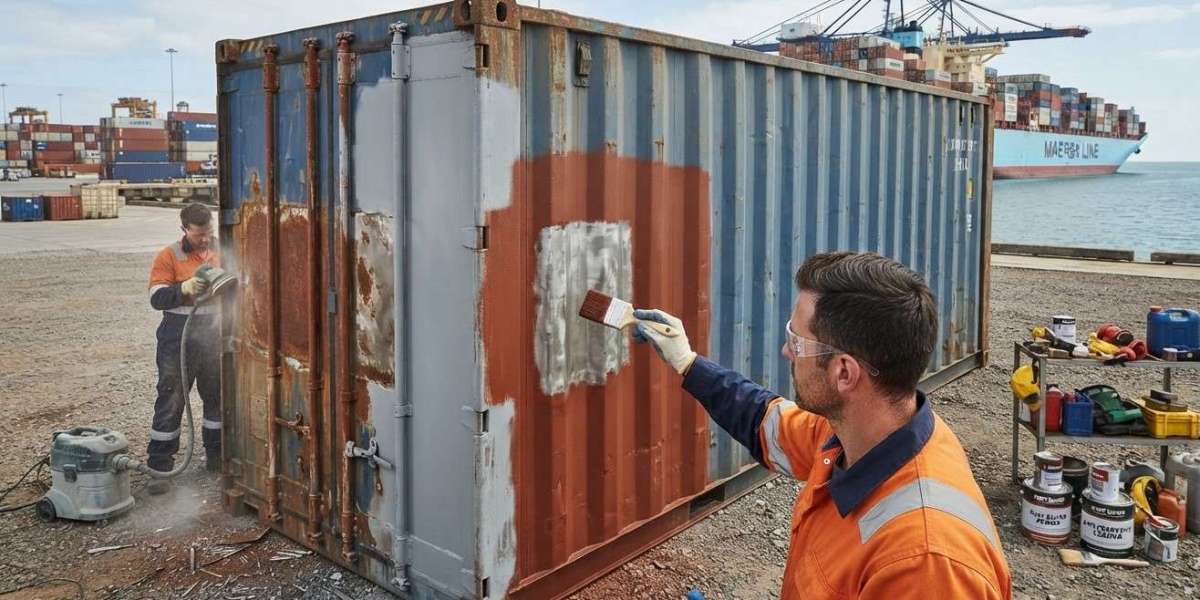
Clean the affected area, remove loose rust, allow the surface to dry, and use an appropriate rust-inhibiting primer and compatible protective coating according to the product manufacturer's instructions.
For extensive corrosion or structural damage, professional assessment may be appropriate.
5. Keep the Roof Clear
The roof is exposed to rain, snow, dirt, leaves, and other environmental conditions.
Leaves and debris can trap moisture against the metal surface, increasing the opportunity for corrosion.
Periodically inspect and clean the roof where it can be done safely. Avoid walking on the roof unless the equipment and container are specifically suitable for that activity.
6. Check Doors and Seals
Container doors are another area that deserves regular attention.
Inspect:
- Door seals
- Hinges
- Locking bars
- Door frames
- Bottom edges
Damaged seals can allow water to enter the container, while damaged or corroded hardware can make the doors more difficult to operate.
If water is getting inside, identify and correct the source rather than simply treating the resulting rust.
7. Control Condensation Inside
Rust isn't only caused by rain. Moisture can also develop inside a closed container through condensation.
Temperature changes can cause moisture to form on interior metal surfaces. Good ventilation, appropriate moisture-control measures, and keeping stored items dry can help reduce the problem.
If you're storing moisture-sensitive items, consider whether additional ventilation or climate-control measures are appropriate for your application.
8. Keep the Area Around the Container Clean
Grass, weeds, leaves, dirt, and other debris can retain moisture around the container.
Maintain a clear area around the unit so you can easily inspect its walls and base.
This also makes it easier to identify drainage problems, scratches, dents, and early signs of corrosion.
How to Deal With Existing Rust
If you discover rust, don't automatically assume the container needs to be replaced.
For small surface-rust areas, a basic repair process may include:
- Clean the affected area.
- Remove loose rust and flaking coating.
- Allow the metal to dry completely.
- Apply an appropriate rust-inhibiting primer.
- Apply a compatible protective coating.
- Continue monitoring the repaired area.
The exact repair method depends on the severity and location of the corrosion.
If rust has caused significant metal loss, holes, weakened structural components, or extensive damage around doors or corner posts, have the container professionally evaluated before continuing to use it.
Choosing a Container That Helps Reduce Rust Concerns
Rust prevention begins before the container arrives at your property.
When comparing shipping containers for sale, consider the container's age, condition, previous use, visible corrosion, and maintenance history where available.
New one-trip containers can offer near-new condition, while used containers can provide a more budget-conscious option. Conex Hub offers new and used containers in various sizes and configurations.
If you're searching for a shipping container for sale near me, ask the supplier about the container's condition and whether you can inspect it before purchase when possible.
For general storage, storage containers for sale should also be evaluated based on weather resistance, door condition, flooring, roof condition, and overall structural integrity—not simply price.
Common Rust Prevention Mistakes
Avoid these common mistakes:
Ignoring Small Rust Spots
Small areas can become larger if moisture continues reaching exposed steel.
Allowing Water to Pool
Poor drainage can keep the bottom of the container exposed to moisture.
Blocking Airflow
Storing items tightly against walls can make it harder to identify moisture or condensation problems.
Skipping Inspections
Even a well-maintained container benefits from periodic visual checks.
Painting Over Loose Rust
Simply covering loose or active rust with paint may not solve the underlying problem. The surface should be properly prepared first.
FAQs
How often should I inspect my shipping container for rust?
A visual inspection every few months is a practical starting point. Inspect more frequently if the container is exposed to heavy rain, coastal air, high humidity, or other harsh conditions.
Can a shipping container completely avoid rust?
No metal container is completely immune to corrosion. However, proper placement, drainage, inspections, surface maintenance, and moisture control can reduce the risk and slow corrosion.
Does rain cause shipping containers to rust?
Rain can contribute to corrosion, particularly where protective coatings are damaged or water remains trapped on or around the container.
Can I paint over rust on a shipping container?
Small surface-rust areas should generally be cleaned and properly prepared before applying a compatible rust-inhibiting primer and protective coating. Extensive corrosion may require professional evaluation.
Are used shipping containers more likely to have rust?
A used container may have more wear and surface corrosion than a new one, depending on its age, history, and maintenance. Inspect the specific container before purchasing.
How can I prevent rust underneath a shipping container?
Start with a firm, dry, well-drained site. Keeping the area around the container clear also makes it easier to monitor the base for moisture and corrosion.
Are shipping containers good for long-term storage?
Yes. Containers can be used for long-term storage when the unit is appropriate for the application and properly maintained. Conex Hub offers wind-and-watertight used containers and storage-focused options.
Final Thoughts
Protecting a shipping container from rust and corrosion comes down to consistent maintenance and moisture control. Inspect the container regularly, keep water away from the base, maintain drainage, repair damaged coatings, check door seals, and address small corrosion problems before they become more extensive.
The condition of the container you purchase also matters. Taking time to evaluate the container before buying can help you choose an option that matches your storage needs and maintenance expectations.
Protect Your Investment With Conex Hub
Whether you're looking for shipping containers for sale, searching for a shipping container for sale near me, or comparing storage containers for sale, Conex Hub provides new and used container options for a range of storage and commercial applications.
Before ordering, consider the container's condition, intended use, delivery location, and site preparation requirements. You can also request a quote from Conex Hub with your preferred container type, condition, quantity, and delivery ZIP code to discuss current availability and delivery options.