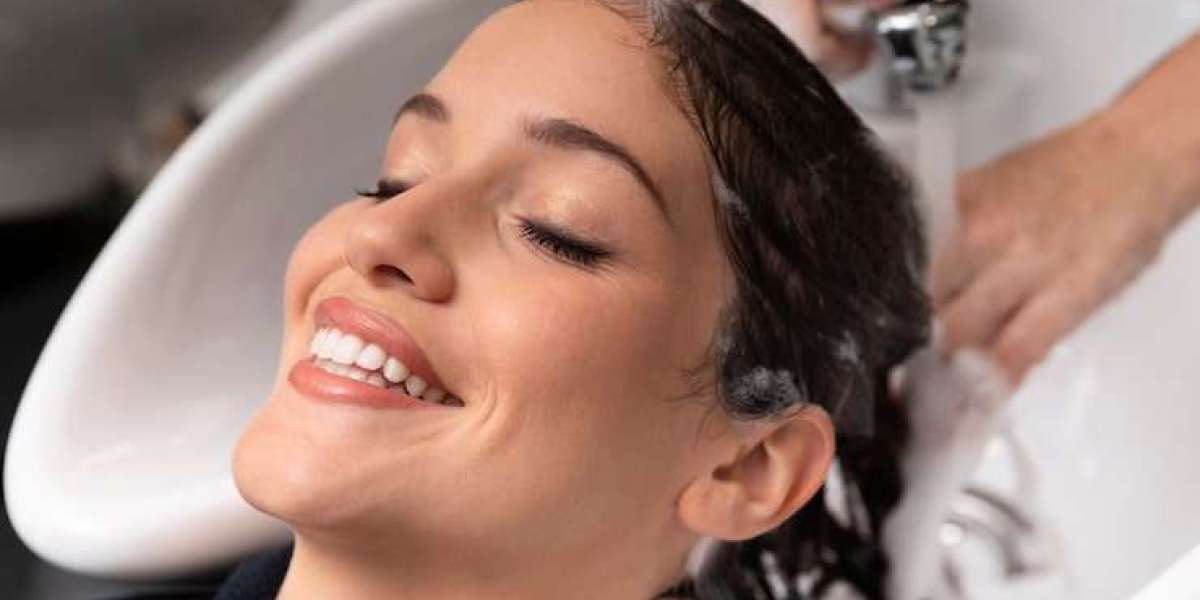
Dandruff and persistent flaking are not merely cosmetic inconveniences; they signal underlying scalp dysregulation involving microbiome imbalance, sebaceous hyperactivity, and epidermal turnover acceleration. Contemporary scalp treatment modalities have evolved beyond superficial cleansing, integrating trichological science with dermal restoration protocols. Individuals experiencing desquamation, pruritus, or follicular congestion increasingly seek structured interventions such as Hair Repair Treatment systems that recalibrate scalp ecology while fortifying keratin infrastructure. This article dissects therapeutic frameworks, procedural methodologies, bioactive formulations, and maintenance strategies associated with professional scalp rehabilitation.
Etiological Foundations of Dandruff and Flaky Scalp
Flake formation originates from multifactorial triggers rather than a singular pathological agent. The most prominent contributor is Malassezia yeast proliferation, which metabolizes sebum lipids into inflammatory by-products. This biochemical irritation accelerates corneocyte shedding, producing visible scales.
Additional causative vectors include:
Seborrheic dermatitis spectrum disorders
Xerotic scalp dehydration
Product residue occlusion
Climatic extremities
Hormonal flux
Nutritional insufficiencies
An advanced scalp treatment protocol evaluates these determinants through trichoscopy, lipid analysis, and barrier-function assessment before intervention selection.
Clinical Objectives of Therapeutic Scalp Interventions
The architecture of a professional scalp treatment program revolves around four corrective pillars:
Microbial regulation – suppressing pathogenic yeast colonization
Sebum normalization – balancing lipid secretion velocity
Keratolytic refinement – dissolving adherent scale clusters
Barrier restoration – reinforcing stratum corneum resilience
When integrated with Hair Repair Treatment regimens, these therapies not only alleviate flaking but also rehabilitate compromised hair shafts affected by inflammatory stress.
Procedural Phases of Scalp Treatment Therapy
Diagnostic Mapping
Specialists commence with magnified scalp imaging to chart erythema distribution, follicular density, and keratin plaque accumulation. This mapping guides customized scalp treatment formulation selection.
Pre-Exfoliation Preparation
Botanical enzymatic serums or salicylic suspensions are applied to loosen corneocyte adhesion. This preparatory phase ensures deeper penetration of subsequent actives.
Intensive Exfoliation
Mechanical micro-abrasion or ultrasonic exfoliation dislodges compacted flakes. At this juncture, pairing with Hair Repair Treatment ampoules allows simultaneous cuticle resurfacing.
Sebum and Microbiome Rebalancing
Antifungal complexes containing zinc pyrithione, climbazole, or piroctone olamine recalibrate microbial equilibrium. Lipid regulators mitigate sebaceous hypersecretion without inducing xerosis.
Follicular Infusion Therapy
Peptide concentrates, niacinamide elixirs, and ceramide infusions are transdermally delivered to fortify follicular anchoring structures—an essential bridge between scalp treatment and Hair Repair Treatment synergy.
Bioactive Ingredients Powering Modern Therapies
Keratolytic Agents
Salicylic acid
Lactic acid
Urea complexes
These dissolve keratin conglomerates, enabling flake detachment without epidermal trauma.
Antimicrobial Phyto-Extracts
Tea tree distillate
Neem extract
Rosemary phytonutrients
Such botanicals enhance scalp treatment efficacy while maintaining microbiome harmony.
Barrier-Reconstruction Lipids
Ceramides
Phospholipids
Omega fatty complexes
Barrier lipids are indispensable when integrating Hair Repair Treatment, as follicular output quality depends on dermal nourishment.
Technological Delivery Systems
Cryotherapy Scalp Infusion
Low-temperature applicators constrict vasculature momentarily, then induce rebound microcirculation—amplifying nutrient delivery during scalp treatment sessions.
Oxygen Jet Therapy
Pressurized oxygen streams propel active serums into follicular canals, enhancing Hair Repair Treatment absorption.
High-Frequency Stimulation
Oscillating electrical currents exhibit antimicrobial properties while invigorating follicular metabolism.
Customization for Scalp Typologies
Seborrheic Scalp Profiles
Require aggressive antifungal scalp treatment paired with sebum-modulating Hair Repair Treatment tonics to prevent follicular suffocation.
Xerotic (Dry) Scalp Profiles
Benefit from lipid-dense emollient infusions, minimizing transepidermal water loss while supporting shaft elasticity.
Sensitive / Inflamed Scalp Profiles
Demand hypoallergenic scalp treatment formulations enriched with panthenol, allantoin, and bisabolol to quell irritation prior to structural Hair Repair Treatment application.
Frequency and Therapeutic Cadence
Clinical regimens typically follow a phased cadence:
Acute correction phase: Weekly scalp treatment sessions for 4–6 weeks
Stabilization phase: Biweekly maintenance combined with Hair Repair Treatment masks
Preventive phase: Monthly detoxification therapy
This graduated structure ensures microbial suppression while sustaining keratin vitality.
Home-Care Continuity Protocols
Professional interventions yield optimal outcomes only when reinforced through disciplined domiciliary care:
Sulfate-minimal cleansers
pH-balanced exfoliating tonics
Lightweight follicular serums
Thermal-protection shields
Integrating at-home Hair Repair Treatment oils between clinical scalp treatment visits prolongs remission intervals and preserves cuticle cohesion.
Psychodermatological Impact
Chronic dandruff frequently precipitates psychosocial distress—self-consciousness, wardrobe limitations, and tactile discomfort. Structured scalp treatment programs alleviate not only physiological symptoms but also cognitive burden. When hair texture improves through adjunct Hair Repair Treatment, patient confidence indices demonstrably rise.
Preventive Trichological Strategies
Long-term scalp equilibrium hinges on prophylactic discipline:
Nutraceutical supplementation (biotin, zinc, omega lipids)
Glycemic load regulation
Environmental pollutant shielding
Stress-hormone modulation
Routine scalp treatment surveillance combined with seasonal Hair Repair Treatment recalibration prevents relapse cycles.
Integrative Dermatology and Trichology Collaboration
Severe desquamation cases—particularly seborrheic dermatitis or psoriatic variants—necessitate medical-grade antifungals or corticosteroid adjuncts. Dermatologists often coordinate with trichologists to synchronize pharmacological care with cosmetic scalp treatment and restorative Hair Repair Treatment frameworks, ensuring multilayered recovery.
Conclusion
Dandruff and flaky scalp manifestations require far more than superficial shampoo substitution; they demand a methodical, biologically informed therapeutic strategy. Advanced scalp treatment systems dismantle microbial overgrowth, recalibrate sebaceous kinetics, and restore epidermal integrity. When merged with structurally fortifying Hair Repair Treatment protocols, outcomes extend beyond flake eradication to encompass follicular resilience, shaft luminosity, and sustained scalp homeostasis. Individuals adopting structured clinical therapy alongside disciplined maintenance regimens can achieve enduring remission and optimized trichological health.