Professional car detailing can make your vehicle look dramatically cleaner, fresher, and more protected. However, keeping that just-detailed appearance depends on what you do after the service. For Dallas drivers, regular maintenance is especially important because intense sunlight, dust, pollen, rain, road grime, and outdoor parking can quickly affect a vehicle’s appearance. Following a simple car detailing dallas maintenance routine can help preserve your paint, interior, wheels, glass, and protective treatments while reducing the need for frequent deep detailing.
A professional detail should be viewed as the beginning of a maintenance routine rather than the end of your car-care journey. With the right washing methods, cleaning products, drying techniques, and interior habits, you can keep your vehicle looking professionally detailed for much longer.
Why Post-Detailing Maintenance Matters
Professional auto detailing removes accumulated dirt, stains, contaminants, and buildup that normal car washing may not address. Depending on the service, your vehicle may also receive paint protection, wax, sealant, ceramic coating, interior conditioning, leather treatment, or other protective products.
These treatments work best when they are maintained properly.
Dallas and the surrounding North Texas area can be particularly demanding on vehicles. Strong UV exposure, pollen, dust, bird droppings, bugs, tree sap, and hard-water spotting can affect exterior surfaces. Local detailing guidance commonly recommends regular maintenance rather than waiting until contamination becomes severe.
Regular maintenance helps you:
- Preserve exterior shine
- Protect the clear coat
- Maintain paint protection
- Reduce water spots
- Prevent interior stains
- Keep leather and vinyl looking fresh
- Reduce unpleasant odors
- Protect wheels and tires
- Maintain resale appeal
- Extend the results of professional detailing
The goal is simple: prevent small problems from becoming difficult restoration projects.
1. Use the Right Washing Method
One of the most important things you can do after professional car detailing is wash your vehicle correctly.
Avoid treating your freshly detailed vehicle like an ordinary car. Aggressive brushes, dirty towels, harsh chemicals, and poor washing techniques can introduce swirl marks and reduce the performance of waxes, sealants, or ceramic coatings.
A safe hand-washing process is generally preferable.
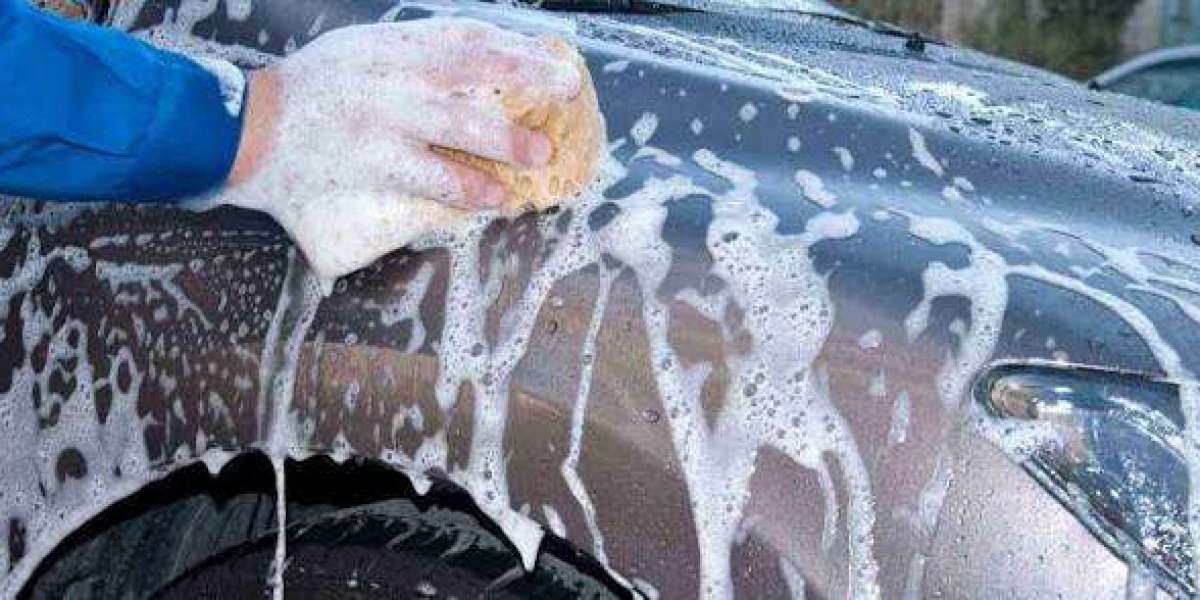
Before washing, rinse the vehicle thoroughly to remove loose dirt and dust. Use a quality automotive shampoo that is appropriate for your vehicle’s protection. Work from the top of the vehicle toward the lower panels, where contamination is usually heavier.
Use separate tools for wheels and paint whenever possible. This reduces the chance of transferring brake dust and heavy road grime onto painted surfaces.
2. Choose a pH-Neutral Car Shampoo
The cleaning products you use can make a major difference.
After a professional exterior detail, avoid household detergents and dishwashing soap. These products are not designed specifically for automotive paint and may interfere with certain protective products.
Instead, choose a quality pH-balanced or pH-neutral car shampoo that is compatible with your vehicle’s finish.
If your vehicle has a ceramic coating, ask your detailing professional which maintenance products are recommended for that coating. Ceramic-coated vehicles still require regular washing, even though their hydrophobic properties can make maintenance easier.
The objective isn't simply to remove dirt. It is to clean the vehicle without unnecessarily stressing the paint or protection underneath.
3. Wash Your Car on a Consistent Schedule
Waiting until your vehicle looks extremely dirty is not the best maintenance strategy.
A consistent car wash schedule helps remove contaminants before they have time to bond strongly to the paint.
For many Dallas-area drivers, washing every few weeks can be a reasonable starting point, with more frequent washing when the vehicle is parked outdoors, driven frequently, or exposed to pollen, dust, bugs, and other contaminants. Current Dallas detailing guidance commonly places maintenance washing somewhere around every 2–6 weeks depending on the vehicle and its exposure.
Your schedule should depend on:
- How frequently you drive
- Where you park
- Whether your car is garage-kept
- Weather conditions
- Seasonal pollen
- Highway driving
- Tree exposure
- Children or pets
- Existing paint protection
A heavily used daily driver generally needs more attention than an occasional weekend vehicle.
4. Never Let Bird Droppings and Tree Sap Sit for Too Long
Bird droppings, tree sap, bug residue, and similar contaminants should be removed as soon as reasonably possible.
These substances can become difficult to remove when exposed to heat and sunlight. In a hot climate, allowing contaminants to remain on the paint can increase the risk of staining or etching.
Do not aggressively scrub dried contamination.
Instead, soften the affected area with an appropriate automotive-safe cleaning product or plenty of water and gently remove the material using a clean microfiber towel.
If contamination has bonded to the surface and cannot be safely removed at home, a professional detailing service may be the better option.
5. Dry Your Vehicle Properly
Washing is only half the job.
Improper drying can leave water spots, mineral deposits, and even fine scratches on your vehicle.
After rinsing, use clean, high-quality microfiber drying towels designed for automotive surfaces. A clean air blower can also be useful for removing water from mirrors, emblems, trim, grilles, and other difficult areas.
Avoid allowing the vehicle to sit in direct sunlight while covered in water.
Hard-water minerals can remain behind when water evaporates, creating visible spots. Proper drying is therefore an important part of maintaining a professional exterior finish.
6. Avoid Automatic Brush Car Washes
If you have invested in professional detailing, an automatic brush-style car wash may work against that investment.
Tunnel systems with brushes or cloth components can create repeated mechanical contact with the paint. If dirt is present on those surfaces, it can contribute to fine scratches and swirl marks.
This is especially noticeable on dark-colored vehicles.
Whenever possible, choose a careful hand wash or a touchless option that is compatible with your vehicle’s paint protection.
If you have a ceramic coating, follow the maintenance instructions provided by your detailer or coating manufacturer rather than assuming every car wash is safe.
7. Maintain Your Interior Regularly
Exterior maintenance often gets the most attention, but the interior needs consistent care too.
A professional interior detail can remove accumulated dust, dirt, stains, hair, crumbs, and odors. You can preserve those results by developing simple habits.
Vacuum the cabin regularly, paying attention to:
- Floor mats
- Carpet
- Seat gaps
- Center consoles
- Door pockets
- Under seats
- Trunk areas
Remove trash frequently and clean spills promptly.
If you have children or pets, your interior may require more frequent maintenance. Small amounts of dirt are much easier to remove before they become deeply embedded in upholstery or carpet.
8. Protect Leather, Vinyl, and Interior Trim
Different interior materials require different care.
Leather, vinyl, plastic, fabric, and specialty materials should not automatically be cleaned with the same product.
Use products specifically designed for the surface you are treating. Avoid excessive product application because residue can attract dust and leave surfaces looking greasy.
For leather interiors, follow the care recommendations provided by your detailing professional. Depending on the type and finish of the leather, appropriate cleaning and conditioning can help preserve its appearance.
Your dashboard and interior trim also benefit from protection against excessive sunlight. Whenever possible, park in a garage or shaded location.
9. Take Care of Your Windows and Glass
Clean glass contributes significantly to the overall appearance of a freshly detailed vehicle.
Keep exterior windows free from fingerprints, road film, water spots, and other buildup. Interior glass should also be cleaned regularly because dust and oily residue can accumulate over time.
Use an automotive glass cleaner and clean microfiber towels.
If your vehicle has tinted windows, make sure your cleaning products are appropriate for automotive window film.
Clear glass improves visibility while also helping your vehicle maintain that clean, professional appearance.
10. Maintain Your Wheels and Tires
Clean wheels can make a freshly detailed car look even better.
Brake dust, road grime, and dirt accumulate quickly on wheels, especially if the vehicle is driven frequently.
Clean wheels regularly using products suitable for their specific finish. Avoid using aggressive chemicals unless they are specifically recommended for the wheel material.
Tires can also benefit from proper maintenance. A quality tire dressing can enhance their appearance, but avoid excessive application that may sling product onto the vehicle’s paint.
Remember that wheels and tires should generally be cleaned with dedicated tools rather than the same equipment used on painted surfaces.
11. Maintain Ceramic Coating and Paint Protection
If your professional detailing service included ceramic coating, paint sealant, wax, or another protective treatment, maintenance becomes particularly important.
A ceramic coating does not mean you never need to wash your car. Instead, it can make regular cleaning easier and provide additional resistance against environmental contamination.
Regular washing helps prevent dirt and contaminants from accumulating on the coating.
Depending on the coating system, your detailer may also recommend periodic maintenance products or professional inspection. Some Dallas detailing providers recommend annual maintenance services for coated vehicles, while washing schedules can be much more frequent.
Always follow the specific maintenance instructions associated with your coating.
12. Be Careful With Microfiber Towels
Microfiber towels are extremely useful for car care, but only when they are clean.
A towel that has collected dirt, sand, or other particles can potentially scratch delicate surfaces.
Keep separate microfiber towels for:
- Paint
- Glass
- Wheels
- Interior
- Tires
Wash them separately when possible and avoid fabric softeners that can reduce microfiber performance.
Never drop a microfiber towel onto the ground and then immediately use it on your paint.
A simple towel-management routine can make a significant difference in maintaining a high-quality finish.
13. Park Your Vehicle Strategically
Where you park can affect how long professional detailing results last.
Whenever possible, park your vehicle inside a garage or under covered parking. This can reduce exposure to direct sunlight, bird droppings, tree sap, pollen, rain, and other environmental contaminants.
If covered parking isn't available, consider a shaded location when practical.
However, be cautious with vehicle covers. A cover placed over a dirty vehicle can potentially move dirt against the paint. If you use one, choose a quality automotive cover and make sure the vehicle is clean before covering it.
14. Follow Seasonal Maintenance Habits
Dallas vehicle maintenance should change with the seasons.
Spring
Pollen can become a major source of buildup. More frequent washing and interior vacuuming can help keep your vehicle clean.
Summer
Strong sunlight and high temperatures make paint and interior protection especially important. Try to park in shaded or covered areas and remove bugs and bird droppings promptly.
Fall
Tree leaves, sap, dust, and changing weather can introduce new contaminants. Keep exterior surfaces clean and inspect your paint protection.
Winter
Although Dallas winters are generally milder than many parts of the country, rain, road grime, mud, and occasional severe weather can still affect your vehicle.
Seasonal maintenance helps prevent contaminants from accumulating for months.
15. Know When to Schedule Another Professional Detail
DIY maintenance is important, but it cannot replace professional detailing forever.
Over time, your vehicle may develop:
- Stubborn water spots
- Embedded contamination
- Swirl marks
- Interior stains
- Persistent odors
- Faded trim
- Reduced paint protection
- Heavy brake dust buildup
When these problems appear, another professional detailing service may be appropriate.
The ideal schedule is not identical for every vehicle. Current Dallas-area recommendations commonly suggest professional detailing every few months, with the exact interval depending on driving habits, storage, weather exposure, and existing protection.
A well-maintained vehicle may need less intensive restoration because you are addressing problems before they become severe.
Common Mistakes to Avoid After Professional Detailing
Maintaining your vehicle does not need to be complicated, but certain mistakes can shorten the life of your detailing results.
Avoid:
- Using dish soap on automotive paint
- Washing with dirty towels
- Scrubbing dry contaminants
- Using one towel for every surface
- Letting bird droppings sit for extended periods
- Washing under extremely hot conditions
- Using abrasive brushes on paint
- Ignoring the interior
- Skipping regular washes
- Assuming ceramic coating makes maintenance unnecessary
The most important principle is consistency. A few minutes of proper care can prevent hours of correction later.
Final Thought
Professional detailing gives your vehicle a fresh start, but consistent care is what keeps that finish looking its best. By washing safely, using appropriate products, protecting the interior, removing contaminants promptly, and following a regular maintenance schedule, you can preserve your vehicle’s appearance and protection for much longer. For drivers who want dependable professional support between major detailing services, Get Detail Flow can be part of a long-term vehicle care strategy.
Frequently Asked Questions
How soon can I wash my car after professional detailing?
The answer depends on the services performed. If your vehicle received a coating, sealant, or other protective treatment, follow the specific curing and maintenance instructions provided by your detailer. When in doubt, ask the professional who performed the service.
How often should I wash my car after detailing?
Many Dallas drivers can start with a wash every few weeks, but the ideal schedule depends on driving frequency, outdoor exposure, weather, and paint protection. Vehicles exposed to heavy dust, pollen, bugs, or outdoor parking may need more frequent washing.
Can I take my professionally detailed car through an automatic car wash?
It is generally better to avoid automatic brush or tunnel washes when trying to preserve a high-quality finish. Hand washing with appropriate products and tools gives you greater control over how the vehicle's surfaces are treated.
How do I maintain a ceramic-coated car?
Wash it regularly with coating-compatible products, use clean microfiber towels, avoid abrasive washing methods, remove contaminants promptly, and follow the coating manufacturer's maintenance recommendations.
How can I prevent water spots after washing?
Wash and dry the vehicle properly, avoid washing in direct sunlight when possible, and use clean microfiber drying towels or an appropriate vehicle-safe drying system.
How do I keep my car interior looking freshly detailed?
Vacuum regularly, remove trash promptly, clean spills as soon as possible, use surface-specific products, and protect the vehicle from excessive heat and sunlight whenever possible.
How often should I get professional car detailing again?
There is no universal schedule. A vehicle driven daily and parked outside may need professional detailing more frequently than a garage-kept weekend vehicle. A maintenance detail every few months is a common starting point, but the right interval depends on your vehicle's actual condition and use.
Is professional detailing worth it if I maintain my car myself?
Yes. Regular home maintenance can preserve professional results, but professional detailers have specialized tools and techniques for deep cleaning, paint correction, decontamination, protection, and difficult interior restoration. Combining professional detailing with consistent home care can provide the best long-term results.