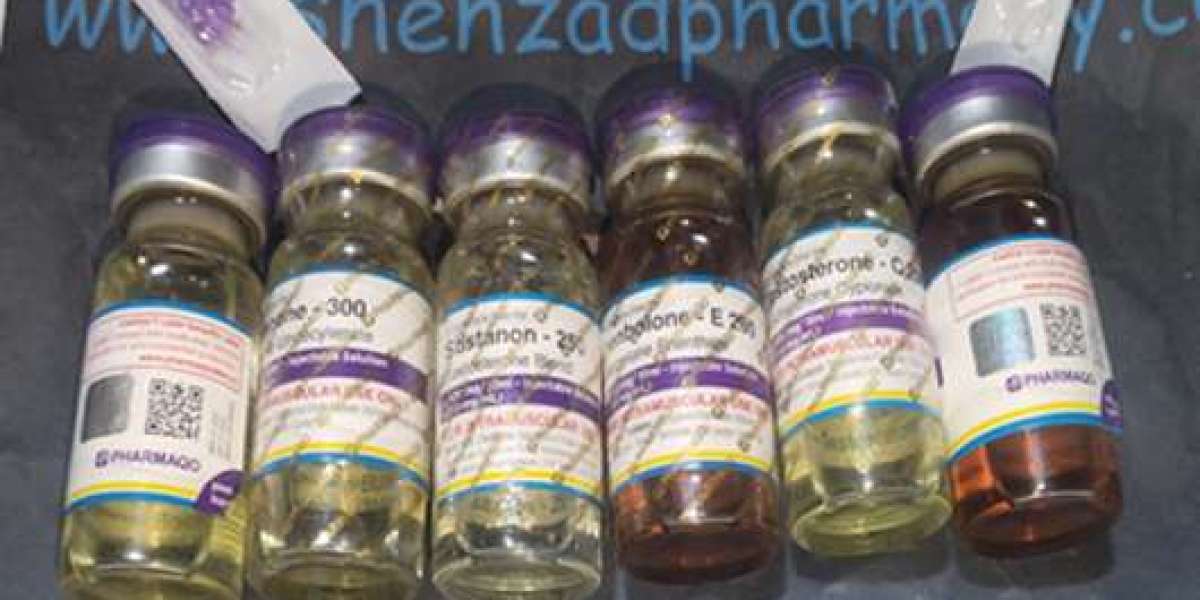
In the sprawling, multi-trillion-dollar landscape of the global pharmaceutical industry, a parallel market operates in the shadows. Here, brands with sleek websites and professional packaging promise medical solutions and physical transformations, often bypassing the rigorous channels of regulatory approval. One name that has recurrently surfaced in this contentious space is Pharmaqo. To discuss Pharmaqo is not to review a conventional pharmaceutical company, but to delve into the complex, risky, and ethically fraught world of underground laboratories (UGLs) and performance and image-enhancing drugs (PIEDs). This article explores the phenomenon of Pharmaqo, its market context, the significant dangers it presents, and the broader societal implications of its existence.
What is Pharmaqo?
Pharmaqo is a brand name predominantly associated with anabolic-androgenic steroids (AAS), peptides, and other performance-enhancing or bodybuilding substances. It is not a licensed pharmaceutical corporation with public-facing headquarters, a transparent research and development department, or approval from bodies like the U.S. Food and Drug Administration (FDA), the European Medicines Agency (EMA), or the UK’s Medicines and Healthcare products Regulatory Agency (MHRA). Instead, it operates as an underground label, manufacturing and distributing its products primarily through online forums, discreet websites, and black-market networks.
Its product range is extensive, mimicking that of legitimate pharmaceutical products. It includes various testosterone esters (like Testosterone Enanthate, Cypionate), trenbolone, boldenone, nandrolone, as well as ancillary drugs used in steroid cycles such as aromatase inhibitors (e.g., Anastrozole) and Selective Estrogen Receptor Modulators (SERMs like Tamoxifen). In recent years, it has also expanded into the lucrative market for peptides (e.g., growth hormone secretagogues) and fat-loss compounds.
The Market Niche and Appeal
Pharmaqo exists because there is a demand. This demand stems primarily from:
The Bodybuilding and Aesthetic Community: Competitive bodybuilders and serious enthusiasts often seek substances beyond legal supplements to achieve extreme muscle mass, low body fat, and enhanced recovery. The high cost and prescription requirements for legitimate hormone therapies push many toward the black market.
The "Biohacking" and Anti-Aging Scene: A growing demographic of individuals, primarily men, pursue testosterone replacement therapy (TRT) and other hormone optimizations outside traditional medicine, often self-administering based on online advice rather than clinical diagnosis.
Accessibility and Anonymity: The internet has democratized access to these substances. Websites offering Pharmaqo products often accept cryptocurrency, ship internationally in discreet packaging, and operate in legal grey zones, making them accessible to anyone willing to take the risk.
The brand’s appeal within its niche often hinges on perceived quality. In a market rife with counterfeit and dangerously under-dosed products, certain UGL brands cultivate a reputation for reliability. User reports on dedicated forums sometimes praise Pharmaqo for consistent potency and clean laboratory testing (often via independent, user-funded testing services). This creates a dangerous illusion of safety and legitimacy.
The Profound and Documented Risks
Choosing a source like Pharmaqo over a regulated pharmacy entails grave risks that far outweigh any potential benefits:
Complete Lack of Regulatory Oversight: This is the paramount danger. Legitimate pharmaceuticals are produced in cGMP (current Good Manufacturing Practice) facilities, ensuring sterility, accurate dosing, and the absence of contaminants. Pharmaqo products, regardless of their packaging, are made in clandestine labs. There is no guarantee of sterility, raising the risk of severe infections, abscesses, and bloodborne pathogens. Dosage can be wildly inaccurate—sometimes containing multiple times the stated amount or, conversely, none at all.
Unknown Contaminants: Products can be cut with toxic solvents, heavy metals, or other unknown substances to bulk out raw materials. Cases of users suffering liver toxicity, kidney damage, or severe allergic reactions are not uncommon in the UGL world.
Health Consequences of the Substances Themselves: Even if the compound were pure, the non-medical use of AAS carries well-documented risks: cardiovascular disease (hypertension, increased LDL cholesterol), hepatotoxicity, hormonal dysfunction (testicular atrophy, infertility), psychiatric effects ("roid rage," depression), and dependence. Self-administering complex hormonal protocols without medical supervision is inherently dangerous.
Legal Peril: In most countries, including the United States, United Kingdom, Australia, and across Europe, anabolic steroids are classified as Schedule III controlled substances (or their national equivalent). Possession, distribution, or importation without a valid prescription is a felony offense, carrying risks of substantial fines, asset forfeiture, and imprisonment.
The Ethical Black Hole: Funding the underground market has wider consequences. It supports an illicit economy that may be entangled with other criminal activities. Furthermore, it undermines the legitimate medical and scientific framework designed to protect public health.
The Societal and Medical Context
The persistence and visibility of brands like Pharmaqo highlight systemic issues:
Healthcare Access Gaps: Some users turn to UGLs because they feel dismissed by traditional medicine or cannot afford legitimate hormone therapy. This points to a need for more accessible, non-judgmental, and affordable endocrinology and sports medicine services.
The Failure of Prohibitionist Policies: The "War on Drugs" approach has largely failed to curb steroid use, instead driving it underground and increasing danger. Some experts argue for harm-reduction models, including medical supervision for users who will not stop, to mitigate health risks.
Digital Enablers: The internet acts as both a repository of (often misleading) information and a global distribution network. Social media and forum cultures can normalize use and provide step-by-step guides on sourcing and administration, creating echo chambers that minimize risks.
Conclusion: A Clear Verdict
Pharmaqo is not a pharmaceutical company; it is a brand in a dangerous, illegal marketplace. While it may have built a reputation within a specific community, that reputation is built on sand when compared to the bedrock of regulatory science and medical ethics. The choice to use Pharmaqo products is a gamble with one’s long-term health, legal standing, and financial security.
For individuals considering this path, the only medically sound advice is to seek consultation with a licensed endocrinologist or sports medicine physician. For those concerned with physical transformation or hormonal health, sustainable results are achieved through evidence-based training, nutrition, and, when medically necessary, legitimately prescribed and pharmacy-dispensed treatments. The sleek branding of an underground lab like Pharmaqo is a facade, masking a reality of unquantifiable risk and reinforcing the critical importance of the very regulatory systems it seeks to evade. In the pursuit of an enhanced physique or perceived vitality, the cost of choosing the shadows over the light can be catastrophically high.