A well designed outdoor space can change the way people experience a property. It can make a yard more comfortable, give a business a welcoming appearance, create useful areas for entertaining, and improve the overall connection between buildings and nature. However, creating a successful landscape takes more than choosing attractive plants or installing a new patio.
Professional landscape architecture design services provide a structured way to plan outdoor spaces from the beginning. Instead of treating each feature as a separate project, landscape design brings planting, walkways, outdoor living areas, drainage, lighting, and other elements together into one cohesive plan.
Whether you are planning a residential property, commercial site, community space, or large outdoor development, careful planning can help you create a landscape that looks good and works well for years to come.
What Are Landscape Architecture Design Services?
Landscape architecture design services focus on planning and organizing outdoor environments. The process considers both the appearance and practical use of a property.
A professional landscape designer looks at the existing site and considers factors such as available space, sunlight, soil, drainage, existing vegetation, structures, access, and the way people will use the area.
The design may include everything from planting beds and lawns to patios, walkways, retaining walls, outdoor gathering areas, and other landscape features.
The main purpose is to create an outdoor environment where the different elements work together. A beautiful landscape is valuable, but it becomes even more useful when it is comfortable, accessible, practical, and suited to the property.
Why Landscape Planning Should Come First
Starting a landscape project without a clear plan can make the process more difficult. Property owners may choose features that do not fit the available space or select plants that are unsuitable for the growing conditions.
Planning gives you an opportunity to think about the entire property before construction begins. It also helps identify potential problems early, when changes are generally easier to make.
A thoughtful plan can help with:
- Organizing outdoor areas according to how the property will be used.
- Selecting plants and materials that suit the site.
- Creating practical connections between buildings, patios, gardens, and walkways.
- Considering drainage and water movement.
- Planning for future growth and maintenance.
A good plan does not simply show where things should go. It explains how the different parts of the landscape can work together.
Understanding the Site Before Designing
Every property is different. Even two homes on the same street may have different soil, sunlight, drainage, and existing vegetation.
For this reason, site evaluation is an important part of landscape planning. Before making design decisions, professionals may consider the property's slope, existing trees, soil conditions, water flow, sun exposure, and surrounding structures.
Existing landscape features should also be considered. A mature tree, for example, may provide shade and character that would take many years to replace.
Understanding the site helps create a design that fits the property's natural conditions instead of working against them.
Creating a Functional Landscape Layout
A landscape should be easy to move through and comfortable to use. The placement of paths, patios, lawns, gardens, and seating areas can have a major effect on how the finished space feels.
For a home, the landscape might create a natural connection between the kitchen, patio, lawn, driveway, and garden. For a commercial property, the layout may focus on entrances, pedestrian routes, outdoor seating, gathering areas, and attractive planting zones.
Good landscape architecture also considers scale. A large feature can overwhelm a small yard, while small elements may disappear on a large commercial property.
The goal is to create balance so that the landscape feels natural and organized.
Thoughtful Planting Design
Plants are an important part of almost every landscape. They can provide shade, privacy, color, texture, and seasonal interest.
However, plant selection should be based on more than appearance. Plants need to be appropriate for the site's sunlight, soil, water availability, climate, and available space.
Mature plant size is especially important. A plant that looks small when installed may eventually become too large for its location. Proper planning can help prevent overcrowding and reduce the need for frequent removal or replacement.
A thoughtful planting design can also make maintenance easier by grouping plants with similar needs.
Planning Hardscape Features
Hardscape elements include constructed features such as patios, walkways, steps, walls, seating areas, and other outdoor structures. These features give a landscape structure and help define different areas.
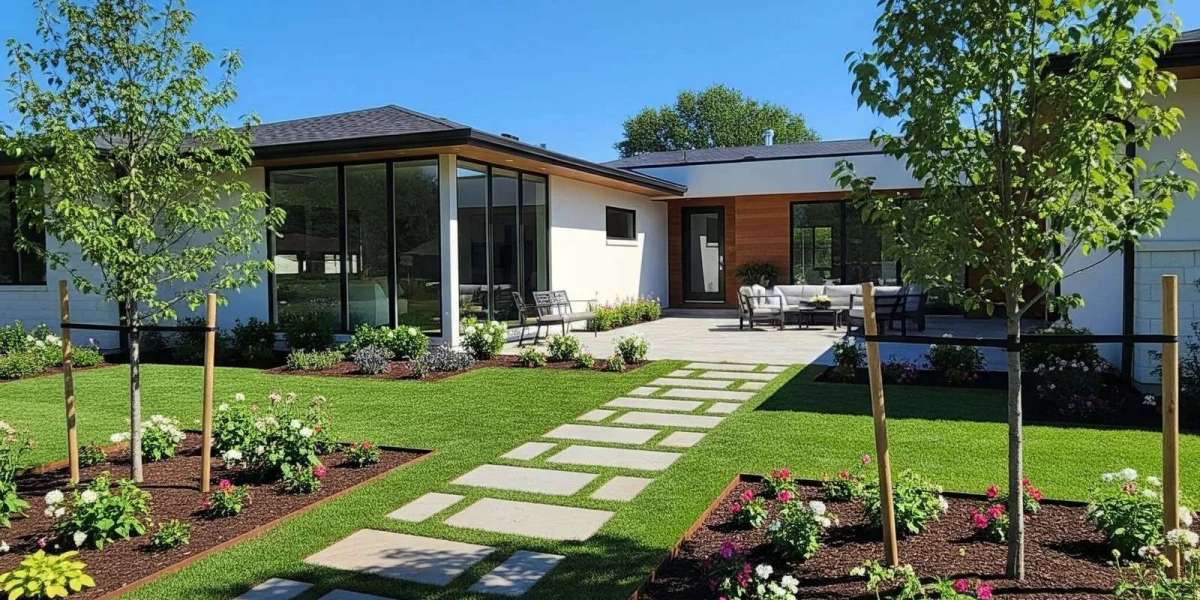
For example, a patio can create a dedicated area for outdoor dining and relaxation. A walkway can provide a clear connection between the front entrance and backyard. A retaining wall may help organize a sloped area while adding visual interest.
These features should be planned alongside planting and other landscape elements. When hardscape and softscape work together, the property can have a more balanced and finished appearance.
Designing for Outdoor Living
Outdoor living has become an important consideration for many homeowners. A carefully designed landscape can create additional spaces for relaxing, entertaining, dining, or spending time with family.
The design may include a patio, outdoor kitchen, seating area, garden, shade feature, or open lawn. The right combination depends on the property's size and the owner's lifestyle.
Location is also important. A seating area placed too far from the home may be inconvenient, while a patio positioned without considering sunlight or privacy may not be used as often as expected.
Landscape planning helps make these decisions before construction begins.
Landscape Architecture for Commercial Properties
Commercial landscapes have different needs from residential yards. A business property often needs to create a positive first impression while remaining practical for customers, employees, visitors, and maintenance teams.
A landscape architecture planning company can help organize entrances, pedestrian areas, planting beds, outdoor gathering spaces, and other site features.
The design should support the property's purpose. A restaurant may benefit from attractive outdoor dining areas, while an office property may prioritize welcoming entrances and comfortable employee spaces.
Maintenance should also be considered. A commercial landscape needs to remain attractive without creating unnecessary maintenance demands.
The Role of Drainage in Landscape Planning
Water management is an important part of landscape design. Rainwater needs to move away from areas where it could create problems.
Poor drainage can lead to standing water, soil erosion, damaged plants, and other landscape issues. A professional plan can consider existing slopes and water flow when deciding where different features should be located.
Depending on the property, the design may include changes to grading, drainage features, suitable planting areas, or other methods of managing water.
Addressing these considerations during the planning stage can help protect the finished landscape.
Sustainable Landscape Design
Good landscape planning can support more responsible use of natural resources. This may include choosing plants that are suitable for the local environment, protecting healthy existing trees, and considering the property's water requirements.
Sustainable choices can also make a landscape easier to maintain. Plants that are well suited to local conditions may require less attention than varieties that struggle in the environment.
Sustainability does not mean giving up an attractive design. With proper planning, environmental considerations can become part of a landscape's beauty and function.
Planning for Long Term Maintenance
A landscape should be designed with its future in mind. Plants grow, materials age, and the needs of property owners can change.
Before finalizing a design, it is helpful to consider how much time and money will be available for ongoing care. Some property owners enjoy gardening and may want extensive planting areas, while others prefer a simpler landscape with fewer maintenance requirements.
The right design is not necessarily the one with the most features. It is the one that provides the greatest value for the property's needs and can realistically be maintained over time.
How to Prepare for a Landscape Design Project
Before meeting with a landscape professional, property owners can think about their goals and priorities. Having a general idea of what you want can make the design process more productive.
Consider these questions:
- How do you want to use the outdoor space?
- Which landscape features are most important to you?
- What is your preferred design style?
- How much maintenance are you willing to handle?
- What budget range are you comfortable with?
- Are there existing trees or features you want to preserve?
- Do you expect your needs to change in the future?
You do not need to have every detail decided before starting. A professional can help develop your ideas into a practical plan.
Choosing a Landscape Planning Professional
Selecting the right professional can have a significant effect on the success of a landscape project. Look for experience with properties and projects similar to yours.
It is useful to review previous work and ask how the design process is handled. Discuss your goals, budget, timeline, maintenance preferences, and concerns early.
Communication is especially important. You should feel comfortable asking questions and requesting explanations about design decisions.
A professional should also consider your property instead of simply applying the same design approach to every project.
Why a Complete Landscape Plan Is Worth Considering
A landscape is a long term investment. Taking time to plan the property before construction can help reduce mistakes and create a more consistent final result.
A complete design allows different features to be considered together. It can help determine where plants should go, how people will move through the space, where outdoor living areas should be located, and how the landscape can respond to practical concerns such as drainage and maintenance.
Even if the project is completed in stages, having an overall plan can help ensure that future improvements fit the original vision.
Conclusion
Landscape architecture design services can help transform an ordinary outdoor area into a space that is attractive, useful, and designed around real needs. From site evaluation and planting design to outdoor living areas, hardscape features, drainage, and maintenance, careful planning can make every part of the landscape work together.
If you are considering a new landscape or want to improve an existing property, Kingswood Landscape can provide professional guidance to help turn your ideas into a thoughtful outdoor design. With the right planning approach, you can create a landscape that complements the property and remains enjoyable for years to come.