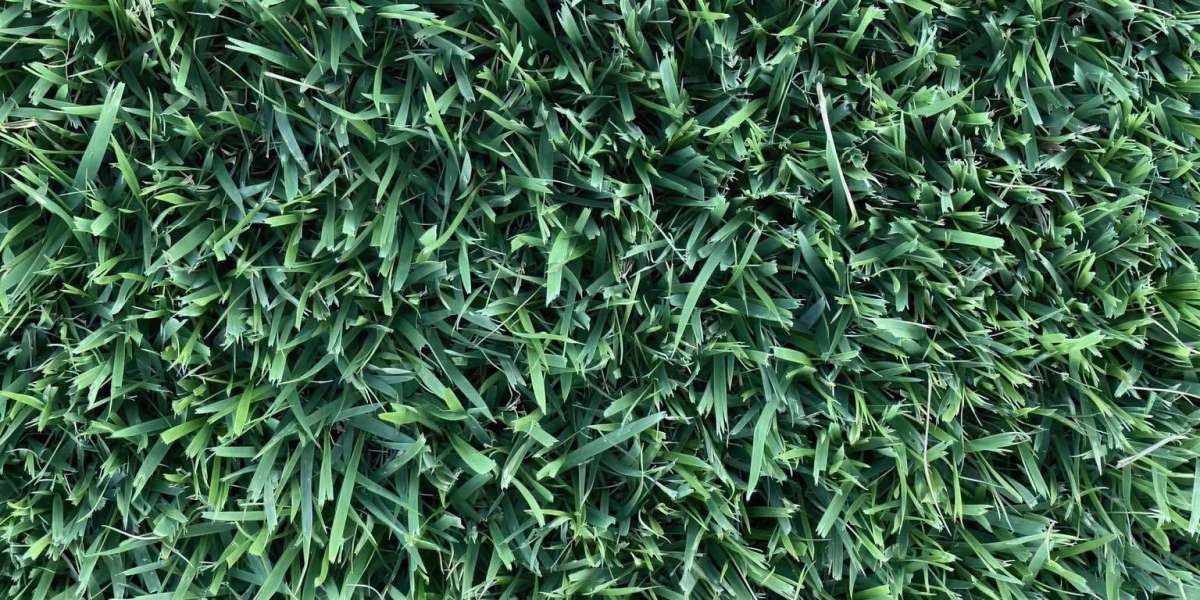
A healthy lawn can make a home look more attractive, improve curb appeal, and create a comfortable outdoor space for everyday activities. If your yard has bare patches, damaged grass, or simply needs a fresh start, installing new sod can provide an attractive lawn much faster than growing grass from seed.
However, successful sod installation involves more than placing grass over the ground. The soil needs to be prepared, the right grass should be selected, and the new lawn needs proper watering and care while its roots become established.
For homeowners considering sod installation in Fort Worth, understanding the process can help you make better decisions and avoid common lawn problems.
Why Sod Is a Good Choice for Fort Worth Homes
Sod gives homeowners an established layer of grass that can transform the appearance of a yard quickly. Instead of waiting for seeds to germinate and fill in, you can have a covered lawn soon after installation.
Sod can also help reduce exposed soil. Bare ground can become muddy after rainfall and dusty during dry periods. A properly installed lawn provides ground coverage while creating a more finished appearance.
Fort Worth homeowners should still consider local growing conditions before choosing their grass. Temperature, sunlight, rainfall, soil quality, drainage, and lawn use can all influence how well turf performs.
Choosing the Right Sod for Your Yard
Not all types of grass have the same growing requirements. A grass variety that works well in one part of a property may struggle in another area.
Look at Sunlight
Start by observing how much sunlight your lawn receives throughout the day. Areas exposed to direct sunlight have different needs from locations shaded by trees, fences, or buildings.
Bermudagrass is commonly used in Texas and can perform well in sunny conditions. St. Augustinegrass can be considered for certain areas with more shade. The best choice depends on the specific conditions of your property.
Consider Foot Traffic
Think about how your lawn will be used. A backyard where children and pets regularly play may require a grass variety that can handle frequent activity.
A front yard used mainly for appearance may have different requirements. Choosing grass based on how you actually use the property can make long term lawn care easier.
Check Drainage
Water should drain properly across the property. Low areas that regularly collect water can create problems for newly installed turf.
Before installing sod, identify areas where water stands after rainfall. Correcting drainage or grading problems first can help protect the new lawn.
Soil Preparation Is an Important Step
One of the biggest factors in successful sod installation is what happens underneath the grass.
The installation area should be cleared of unwanted plants, rocks, debris, and other materials. The soil may need to be loosened and leveled so the sod has a stable surface for rooting.
Why Level Soil Matters
Uneven soil can create low spots, raised areas, and drainage problems. It can also make mowing more difficult.
A properly prepared surface allows the sod to sit evenly and helps create better contact between the roots and soil. This gives the grass a stronger starting point.
Consider the Soil Condition
If the existing soil is heavily compacted or has a history of poor lawn growth, it may be worth assessing its condition before installation.
A soil test can provide useful information about certain nutrient and pH conditions. Instead of adding products without knowing what the soil needs, testing can help guide decisions.
How Sod Installation Works
Once the ground is ready, fresh sod can be placed across the prepared area. New sod should be handled carefully because it can lose moisture quickly, especially during warm weather.
The first row is usually installed along a straight edge. Additional pieces are placed closely together, with seams staggered from one row to the next.
Keep Sod Pieces Together
Sod pieces should fit closely against each other without overlapping. Large gaps can remain visible and may allow the soil underneath to dry out more quickly.
Avoid stretching the sod during installation. Each piece should lie flat against the prepared ground.
Pay Attention to Lawn Edges
Areas around sidewalks, driveways, garden beds, and other landscape features often require careful measuring and cutting.
Clean edges can improve the finished appearance and make mowing around the lawn easier.
Watering New Sod Correctly
Water is essential during the early stages of establishment. Freshly installed sod should receive water soon after installation so the roots and soil remain adequately moist.
The exact watering routine depends on weather, soil type, grass variety, drainage, and the property's irrigation system.
Do Not Let Fresh Sod Dry Out
New turf can dry quickly in warm or windy conditions. Pay particular attention to lawn edges and areas receiving strong sunlight.
If sections of sod begin to look dry or start pulling away from the soil, the watering routine may need attention.
Avoid Overwatering
Too much water can also cause problems. Constantly wet soil may affect root development and can contribute to drainage concerns.
The goal is to provide enough moisture for establishment without creating standing water or excessive runoff.
As the roots develop, watering can gradually become less frequent while encouraging deeper root growth.
Give Your New Lawn Time to Root
Fresh sod may look like a finished lawn, but it still needs time to establish itself.
Avoid unnecessary walking on newly installed turf. Heavy foot traffic can move pieces, create uneven areas, and disturb developing roots.
Wait Before Regular Mowing
Mowing should begin once the sod has rooted sufficiently and the soil is firm enough to support equipment without creating deep tracks.
The appropriate mowing height depends on the grass variety. Cutting too much grass at once can put unnecessary stress on the lawn.
Taking a little extra care during this early period can help the turf transition into a stronger established lawn.
Common Sod Installation Mistakes
Many lawn problems can be prevented by paying attention to preparation and early maintenance.
Common mistakes include:
- Installing sod over poorly prepared or uneven soil
- Choosing grass without considering sunlight and shade
- Leaving large spaces between sod pieces
- Allowing fresh turf to dry out
- Applying excessive amounts of water
- Walking on the lawn before roots have developed
- Mowing while the soil is still too soft
- Ignoring drainage problems
Avoiding these mistakes can improve the chances of developing an even and healthy lawn.
When Should You Install Sod in Fort Worth?
The ideal installation period depends on the type of grass and current weather conditions. Warm season grasses generally grow actively during warmer parts of the year.
Fort Worth weather can change throughout the year, so homeowners should consider temperature, rainfall, irrigation, and upcoming weather before scheduling installation.
The most suitable time is often when the grass can receive consistent care and conditions support active root growth.
Should You Install Sod Yourself?
Some homeowners choose to install sod themselves, particularly when working on a small area. However, even a relatively simple project requires careful preparation.
You need to measure the installation area, prepare the soil, transport and handle the sod, place the pieces correctly, and establish an appropriate watering routine.
Larger properties or yards with grading and drainage concerns may benefit from professional installation. Experienced installers can also help determine which grass is appropriate for the property's conditions.
What to Look for When Searching for the Best Sod Installation Services Near Me
Searching for the best sod installation services near me can produce many options, but price should not be the only factor you consider.
A reliable provider should explain what the project involves and provide clear information about preparation, grass selection, installation, and aftercare.
Before hiring a company, consider these factors:
- Experience with local residential lawn projects
- Clear explanation of the installation process
- Appropriate sod recommendations for your property
- Proper soil preparation
- Transparent project pricing
- Guidance for watering and early lawn care
It is also helpful to ask questions before work begins. Find out what type of sod is recommended, how the soil will be prepared, whether grading is included, how much sod will be needed, and what maintenance will be required after installation.
Maintaining Your New Sod
Once the roots become established, regular lawn care becomes an important part of keeping the grass healthy.
Proper mowing, watering, and general lawn maintenance can help protect your investment. It is also useful to watch for changes in color, bare areas, weeds, pests, and drainage problems.
Your lawn's needs can change with the seasons. Hot weather may increase water requirements, while periods of rainfall may reduce the need for irrigation.
Rather than following the same routine throughout the year, pay attention to the condition of the grass and soil.
How Professional Installation Can Help
Professional sod installation can save homeowners significant time and effort, particularly when a lawn requires extensive preparation.
An experienced installer can evaluate the property, recommend suitable turf, prepare the ground, install the sod carefully, and provide guidance about early maintenance.
This can be especially useful for larger lawns or properties where soil, drainage, slopes, or irrigation create additional challenges.
Conclusion
A beautiful lawn starts with proper planning. Choosing suitable grass, preparing the soil, installing sod correctly, providing appropriate moisture, and allowing time for root development can all contribute to better results.
If you are planning sod installation in Fort Worth, professional assistance can make the process more manageable and help you avoid common installation mistakes. Texas Sod Pros can help homeowners with sod installation and lawn solutions suited to their property's needs. With careful preparation and consistent maintenance, new sod can develop into a healthy, attractive lawn that enhances your outdoor space for years to come.