Australia’s horticulture industry is increasingly turning toward protected and controlled-environment production as growers respond to water scarcity, heatwaves, unpredictable weather, labor constraints, and changing consumer expectations. Greenhouses, polytunnels, net houses, and high-tech growing facilities can provide greater control over growing conditions while helping producers maintain consistent quality and supply. The shift is particularly relevant to vegetables, fruits, herbs, and other high-value horticultural products.
According to the Australia greenhouse horticulture market report, the sector was valued at around USD 883 million in 2025 and is projected to reach USD 1.10 billion by 2032, expanding at a CAGR of 3.22% during 2026–2032. The study identifies climate pressure, water constraints, food-processing demand, hospitality requirements, export opportunities, and the adoption of high-tech growing systems as important factors shaping the sector.
Climate Pressure Encourages Protected Cultivation
Australia’s agricultural sector is increasingly exposed to heat stress, irregular rainfall, drought conditions, and other weather-related challenges. These pressures can affect open-field crop yields and quality, encouraging growers to explore systems that offer greater environmental control.
Protected cropping can modify growing conditions and provide protection against adverse weather, pests, and diseases. The NSW Department of Primary Industries describes controlled-environment horticulture as the most sophisticated form of protected cropping, combining high-technology greenhouses with hydroponic systems to manage growing conditions, nutrition, pests, and diseases. The NSW protected-cropping framework highlights the role of these systems in producing high-quality and high-value crops.
This ability to create a more stable production environment is particularly valuable when outdoor growing conditions become increasingly unpredictable.
Water Efficiency Becomes a Strategic Priority
Water availability is one of the most important considerations for Australian horticulture. Agriculture remains a major user of water, while drought and changing rainfall patterns can place additional pressure on irrigation resources.
The national protected-cropping roadmap referenced by MarkNtel Advisors indicates that sheltered and climate-controlled systems can reduce water use by more than 40% compared with conventional open-field production. Controlled irrigation, fertigation, and reduced evaporation can help growers make more efficient use of available water.
The NSW Government also recommends crop-appropriate irrigation, regular system monitoring, and weather-based water management as important approaches to improving horticultural water efficiency. Its horticulture water-efficiency guidance notes that efficient irrigation can reduce water consumption, nutrient losses, pumping costs, and environmental impacts.
Vegetables Remain the Leading Product Category
Vegetables accounted for the largest share of Australia’s greenhouse horticulture sector in 2025, according to the study. Their position reflects the scale and value of vegetable production and the suitability of many vegetable crops for protected cultivation.
The Australian Bureau of Statistics reported that the local value of vegetable production reached AUD 6.0 billion in 2024–25, while total horticulture including wine grapes was valued at AUD 19.5 billion. The ABS horticulture statistics demonstrate the substantial economic base supporting investment in production technologies.
Tomatoes, leafy greens, herbs, cucumbers, and other vegetables can benefit from controlled temperature, humidity, irrigation, nutrition, and pest management. These advantages can help growers target consistent output for supermarkets, food processors, hospitality businesses, and export markets.
Plastic Greenhouses Provide Cost Advantages
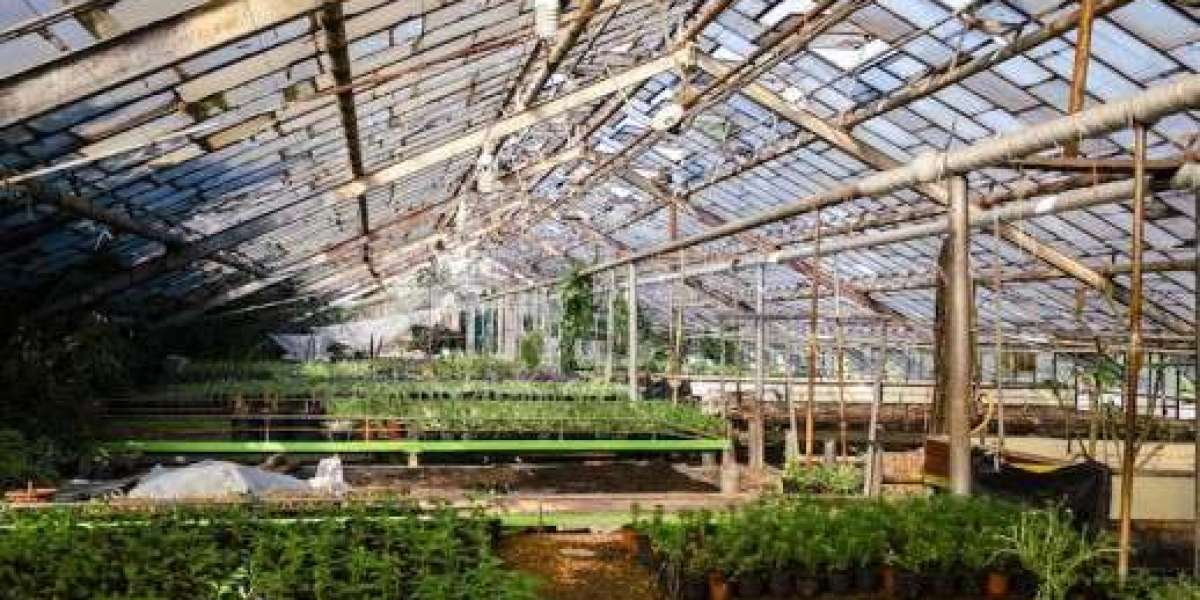
Plastic greenhouses represent the leading greenhouse type in Australia, according to the study. Their relatively lower capital requirements, flexibility, and faster deployment can make them attractive to commercial growers seeking to expand protected cultivation.
Plastic structures can also be adapted to different crop types and climatic conditions. Depending on design, growers can combine plastic structures with automated irrigation, ventilation, fertigation, climate monitoring, and other production technologies.
Glasshouses and high-tech facilities can provide greater environmental control but often require substantially higher investment. This makes plastic structures particularly relevant for growers balancing production expansion with capital constraints.
High-Tech Systems Gain Momentum
High-tech greenhouses and indoor vertical farming systems are emerging as an important trend. These facilities can provide greater control over temperature, humidity, carbon dioxide, lighting, irrigation, and nutrition.
The MarkNtel Advisors study highlights the growing use of automation, LED lighting, hydroponics, fertigation, and digitally managed climate systems. Such technologies can support year-round production and improve consistency even during unfavorable outdoor conditions.
Controlled-environment agriculture can also help reduce pest exposure and improve the predictability of production. The NSW Department of Primary Industries notes that controlled-environment systems can manipulate growing conditions and manage nutrition, pests, and diseases more precisely.
Automation Addresses Labor Constraints
Labor availability is another factor influencing greenhouse investment. Australian horticulture has faced persistent shortages of skilled agricultural workers, including technicians and specialists capable of managing sophisticated production environments.
Automation can help address some of these constraints. Automated spraying, pollination, harvesting support, climate control, irrigation, and monitoring systems can reduce dependence on manual intervention while improving operational consistency.
The MarkNtel Advisors study highlights the adoption of automated spraying and pollination platforms by Australian greenhouse operators as evidence of this trend. Such technologies can become increasingly important as greenhouse systems become more complex and the industry seeks to improve labor productivity.
Food Processing Supports Greenhouse Demand
The food-processing industry represents an important downstream demand driver. Food manufacturers require reliable supplies of fresh produce with consistent quality, volume, and timing.
The MarkNtel Advisors study notes that Australia’s food industry accounts for around 20% of domestic manufacturing sales and service income. Greenhouse production can support processors by providing more predictable supply and reducing exposure to weather-related disruptions.
Controlled cultivation can also support standardized crop quality, which is valuable for processing applications where consistency in size, maturity, moisture, or other characteristics can affect production efficiency.
Hospitality and Premium Produce Create Opportunities
Hotels, restaurants, catering businesses, and other hospitality operators are also contributing to demand for greenhouse-grown produce. These customers often require fresh, high-quality vegetables, herbs, and premium tomatoes throughout the year.
Greenhouse systems can provide more consistent production schedules, helping growers supply hospitality customers even when outdoor conditions are less favorable. Premium produce can also generate stronger returns, improving the economic case for controlled cultivation.
This relationship between protected production and hospitality demand is particularly relevant to high-value crops such as herbs, leafy greens, tomatoes, and specialty vegetables.
Export Markets Encourage Consistent Quality
Australia’s horticulture industry also has a strong export orientation. The MarkNtel Advisors study reports that horticulture was valued at approximately USD 11.9 billion in 2024, highlighting the sector’s economic importance.
Greenhouse cultivation can support export-oriented production by improving consistency, reducing some pest and weather exposure, and enabling tighter control over crop quality. Protected facilities can also support phytosanitary requirements by physically limiting pest exposure when appropriately designed and managed.
The Australian Department of Agriculture, Fisheries and Forestry recognizes protected facilities such as greenhouses and glasshouses as structures that can physically exclude pests and may form part of phytosanitary measures. The DAFF protected-facilities framework provides further context on their role in biosecurity.
South Australia Leads Regional Development
South Australia represents a major center of greenhouse horticulture, with the Northern Adelaide Plains identified by the study as one of the country’s most important high-tech food-growing regions. The area has extensive protected cultivation and a strong concentration of vegetable production.
The region’s combination of greenhouse infrastructure, horticultural expertise, water-management systems, and proximity to markets supports its position as a leading production hub.
Other regions, including New South Wales and Victoria, also have significant protected-cropping activity. NSW, for example, has a substantial share of protected tomato production, demonstrating how greenhouse systems are becoming integrated into mainstream commercial horticulture.
Energy Costs Remain a Key Challenge
Despite the benefits of controlled environments, energy requirements can limit greenhouse scalability. Heating, cooling, ventilation, pumping, lighting, and automation can increase operating expenses, particularly in high-tech facilities.
The MarkNtel Advisors study identifies rising energy costs as a major challenge. Facilities using supplemental lighting and intensive climate control can be especially sensitive to electricity prices.
This is encouraging interest in renewable-energy integration, energy-efficient equipment, thermal management, and automation. Solar energy can be particularly relevant to Australian greenhouse operations because it can help offset electricity consumption where site conditions and system economics are suitable.
Outlook for Australia’s Greenhouse Horticulture Sector
Australia’s greenhouse horticulture sector is developing at the intersection of climate resilience, water efficiency, food-supply security, and technological innovation. Vegetables remain the leading product category, while plastic greenhouses provide a relatively accessible structure for commercial expansion.
At the higher end of the market, high-tech greenhouses and indoor vertical systems are introducing automation, hydroponics, LED lighting, and precise environmental management. These technologies can improve productivity and consistency but also require greater capital investment and technical expertise.
Future growth is likely to depend on how effectively growers balance energy costs, labor availability, water efficiency, technology investment, and market demand. As climate and resource pressures continue to influence Australian agriculture, protected cultivation is positioned to become an increasingly important component of the country’s horticultural production system.