The Conversational Commerce market is transforming how businesses interact with customers by combining messaging, artificial intelligence (AI), automation, and commerce into seamless digital conversations. As consumers increasingly expect personalized, instant, and convenient interactions, enterprises are adopting conversational commerce platforms to connect marketing, product discovery, sales, customer service, and post-purchase engagement within unified conversational journeys.
QKS Group’s Conversational Commerce market research provides a comprehensive analysis of the global market, covering emerging technology trends, evolving market dynamics, competitive developments, and the future market outlook. The research offers strategic insights for technology vendors to understand changing customer expectations and identify opportunities for innovation and growth. It also enables enterprises and technology users to evaluate vendors based on capabilities, competitive differentiation, and market positioning.
AI Is Reshaping the Conversational Commerce Landscape
The evolution of conversational commerce goes beyond traditional messaging and communication infrastructure. Businesses are increasingly moving from basic chatbot and messaging capabilities toward AI-powered conversational platforms capable of understanding customer intent, delivering contextual recommendations, automating transactions, and supporting customers throughout their buying journey.
Generative AI, conversational AI, natural language processing, intelligent automation, and omnichannel messaging are becoming important components of modern conversational commerce strategies. These technologies enable businesses to deliver more contextual and personalized interactions across channels such as messaging applications, websites, social platforms, and mobile experiences.
According to Analyst at QKS Group, “Conversational Commerce represents a fundamental shift in how users engage with customers, embedding interactions directly within their native digital environments.”
The market has evolved from foundational communication infrastructure traditionally associated with Communications Platform as a Service (CPaaS) toward intelligent, AI-driven application layers. Modern conversational commerce platforms increasingly support the complete customer lifecycle—from marketing engagement and product discovery to sales transactions, post-purchase support, and customer re-engagement.
Conversational Commerce Connects the Entire Customer Journey
One of the major advantages of conversational commerce is its ability to create a continuous customer journey within a single conversational thread. Instead of forcing customers to switch between websites, applications, emails, and support channels, enterprises can use conversational interfaces to facilitate discovery, decision-making, transactions, and service interactions.
Key use cases include:
- Conversational marketing: Engaging prospects through personalized messages and campaigns.
- Product discovery: Helping customers identify products and services based on their needs and preferences.
- Conversational sales: Guiding customers through recommendations, purchasing decisions, and transactions.
- Customer support: Resolving queries and providing real-time assistance through AI-powered interactions.
- Post-purchase engagement: Supporting order updates, returns, feedback, and re-engagement.
- Personalized experiences: Using customer context and behavioral insights to deliver relevant recommendations.
By bringing these capabilities together, organizations can reduce customer friction, improve engagement, and create opportunities for increased conversion and customer loyalty.
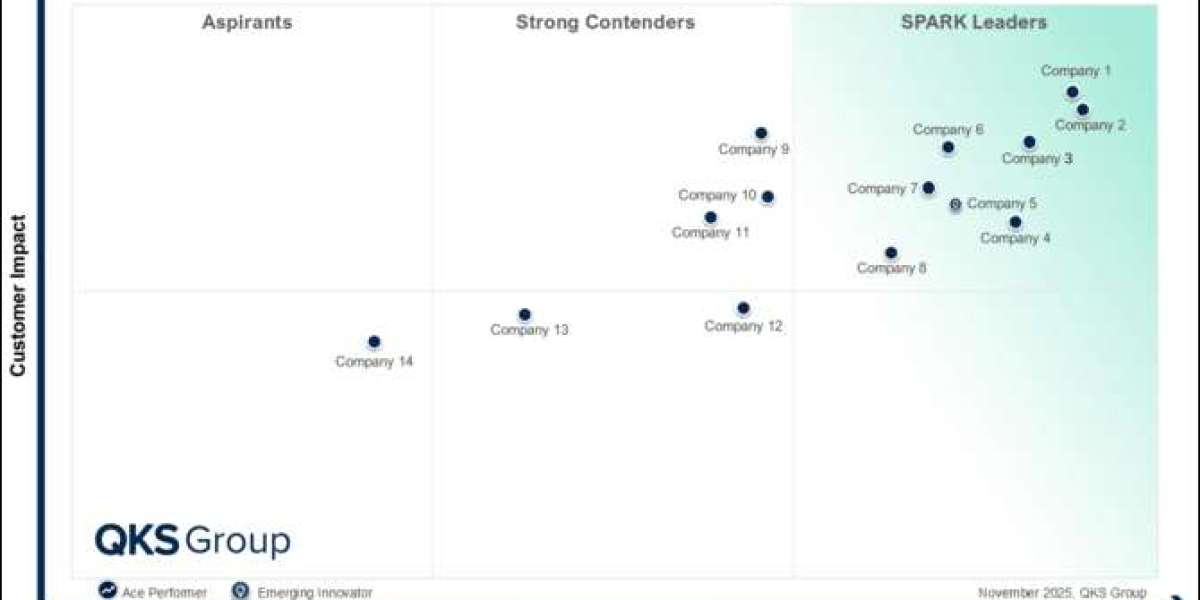
SPARK Matrix™ Analysis of Conversational Commerce Vendors
QKS Group’s research includes detailed competitive analysis and vendor evaluation through its proprietary SPARK Matrix™ analysis. The framework evaluates leading Conversational Commerce vendors based on their technological capabilities, market presence, competitive differentiation, and ability to address evolving enterprise requirements.
The Conversational Commerce SPARK Matrix™ includes analysis of prominent vendors such as CleverTap, Clickatell, CM.com, Gupshup, Haptik, Infobip, Kore.ai, LivePerson, Quiq, SleekFlow, Vonage, Yalo, Yellow.ai, and Zendesk.
This vendor assessment helps technology buyers understand the competitive landscape and identify platforms aligned with their conversational engagement, automation, customer experience, and commerce objectives.
Future Outlook for the Conversational Commerce Market
The future of conversational commerce is expected to be shaped by the growing integration of AI agents, generative AI, omnichannel engagement, personalization, and automated commerce workflows. As enterprises seek to deliver faster and more contextual customer experiences, conversational platforms are likely to become an increasingly important layer connecting customer engagement with business processes.
Organizations that effectively leverage conversational commerce can move beyond transactional interactions toward continuous, intelligent customer relationships. For technology vendors, this creates opportunities to differentiate through advanced AI capabilities, stronger integrations, industry-specific solutions, and scalable conversational experiences.
QKS Group’s Conversational Commerce market research provides valuable insights into these developments, helping technology vendors refine their strategies while enabling enterprises to make informed decisions when evaluating conversational commerce solutions and vendors.