Introduction – Why This Topic Matters Today
Software has become the backbone of innovation in regulated industries such as aerospace, defense, automotive, and medical devices. From flight control systems and autonomous driving software to life-saving medical devices, software failures can have severe safety, financial, and regulatory consequences.
In this environment, Application Lifecycle Management (ALM) for regulated industries is no longer just about managing requirements and test cases. It has evolved into a discipline where compliance, traceability, validation, and risk management are embedded into every stage of software development. As regulatory scrutiny intensifies and product complexity increases, enterprises are turning to specialized ALM platforms to ensure audit readiness while maintaining speed and engineering efficiency.
Market / Industry Overview – Understanding the ALM Landscape for Regulated Industries
ALM platforms for regulated industries are purpose-built to support safety-critical and compliance-driven development environments. Unlike general-purpose ALM tools, these platforms are designed to meet stringent standards such as FDA 21 CFR Part 11, ISO 26262, IEC 62304, and DO-178C.
The market serves industries where software is deeply integrated with hardware and systems engineering. These environments demand end-to-end traceability across requirements, architecture, code, testing, validation, and release. Business relevance is high because compliance failures can delay product launches, result in costly rework, or trigger regulatory penalties.
While the market is relatively concentrated, differentiation is clearly visible in how vendors address digital thread continuity, automation, and integration with PLM, CAD, and DevOps ecosystems.
Key Challenges Businesses Face
Organizations operating in regulated environments face a distinct set of challenges that general ALM tools struggle to address:
- Maintaining end-to-end traceability across large, multi-team, multi-variant product programs
- Managing regulatory compliance without slowing down development cycles
- High cost of validation and re-validation with every change or update
- Complex integrations with PLM, CAD, simulation, and CI/CD tools
- Audit readiness pressure, requiring complete documentation and approval history
These challenges intensify as products become more software-defined and development cycles accelerate.
Key Trends & Innovations Shaping the Market
Several trends are redefining how ALM platforms support regulated industries:
- Digital thread enablement: Seamless traceability across systems engineering, software, and manufacturing
- AI-assisted impact analysis: Identifying downstream effects of requirement or design changes
- Automation of compliance workflows: Reducing manual effort in reviews, approvals, and validations
- Cloud and hybrid deployments: Supporting global teams while maintaining regulatory control
- Industry-specific templates: Pre-configured workflows aligned with standards like ISO 26262 and IEC 62304
These innovations help organizations balance regulatory rigor with modern development practices.
Benefits & Business Impact
When implemented effectively, ALM platforms for regulated industries deliver measurable business value:
- Reduced compliance risk through structured workflows and enforced governance
- Faster audit preparation with built-in traceability and electronic records
- Lower validation costs by minimizing redundant testing and documentation
- Improved collaboration across engineering, quality, and regulatory teams
- Scalable development for complex products with multiple variants
For CXOs and IT leaders, the return on investment lies in fewer delays, improved product quality, and predictable regulatory outcomes.
Use Cases & Real-World Applications
Application Lifecycle Management platforms are mission-critical across several regulated sectors:
- Aerospace & Defense: Managing DO-178C compliance for avionics and mission-critical systems
- Automotive: Supporting ISO 26262 functional safety for ADAS and autonomous systems
- Medical Devices: Ensuring IEC 62304 compliance across software development and validation
- Advanced Engineering: Coordinating complex systems development with hardware-software dependencies
In each case, ALM acts as the system of record that connects engineering execution with regulatory accountability.
How Organizations Can Choose the Right Solution
Selecting the right ALM platform requires more than feature comparison. Decision-makers should evaluate solutions based on:
- Native support for relevant regulatory standards
- Strength of traceability and digital thread capabilities
- Automation of reviews, approvals, and audit trails
- Integration with PLM, CAD, DevOps, and test automation tools
- Vendor expertise in regulated industries and long-term roadmap
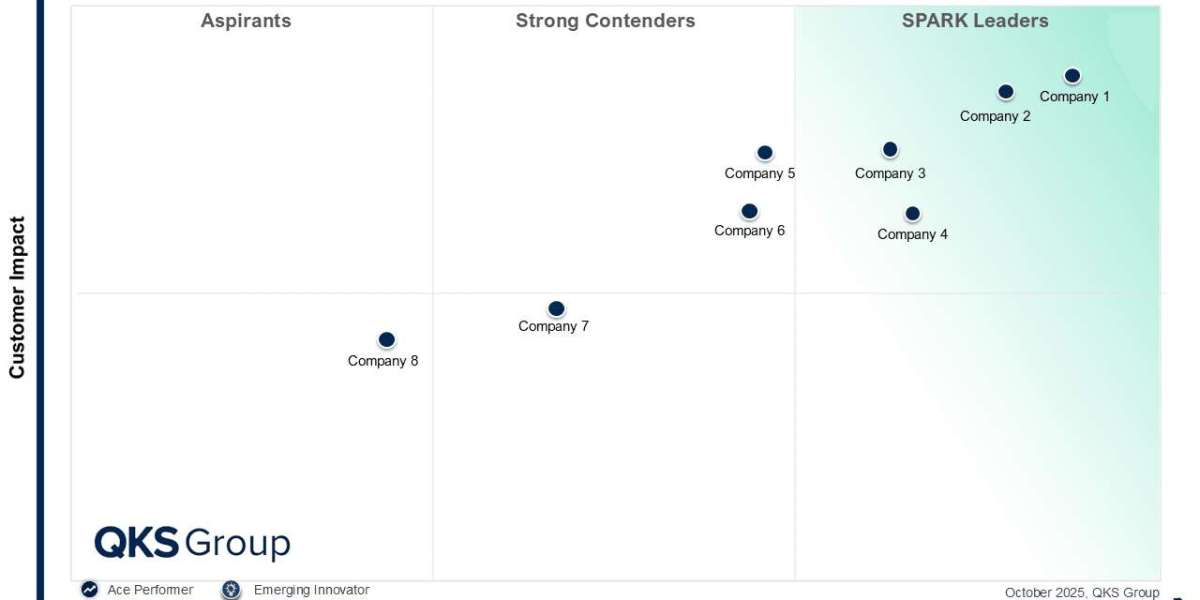
Independent market evaluations and competitive benchmarking can further support informed decision-making
Future Outlook (2025–2028)
Between 2025 and 2028, ALM for regulated industries will continue to evolve toward intelligent, connected platforms. AI-driven insights will play a larger role in risk prediction, change impact analysis, and validation optimization.
We will also see tighter convergence between ALM, PLM, and systems engineering tools, enabling a unified digital thread across the product lifecycle. Vendors that embed compliance logic directly into workflows—rather than treating it as an overlay—will gain a competitive edge.
Conclusion – Reinforcing Strategic Value
In regulated industries, software development is inseparable from compliance and risk management. Traditional Application Lifecycle Management approaches are no longer sufficient to handle the scale, complexity, and regulatory demands of modern products.
By embedding traceability, validation, and audit readiness into everyday workflows, ALM platforms enable organizations to deliver safe, compliant, and high-quality software—without sacrificing agility. For enterprises operating in safety-critical domains, ALM is not just a development tool; it is a strategic enabler of trust, innovation, and long-term growth.