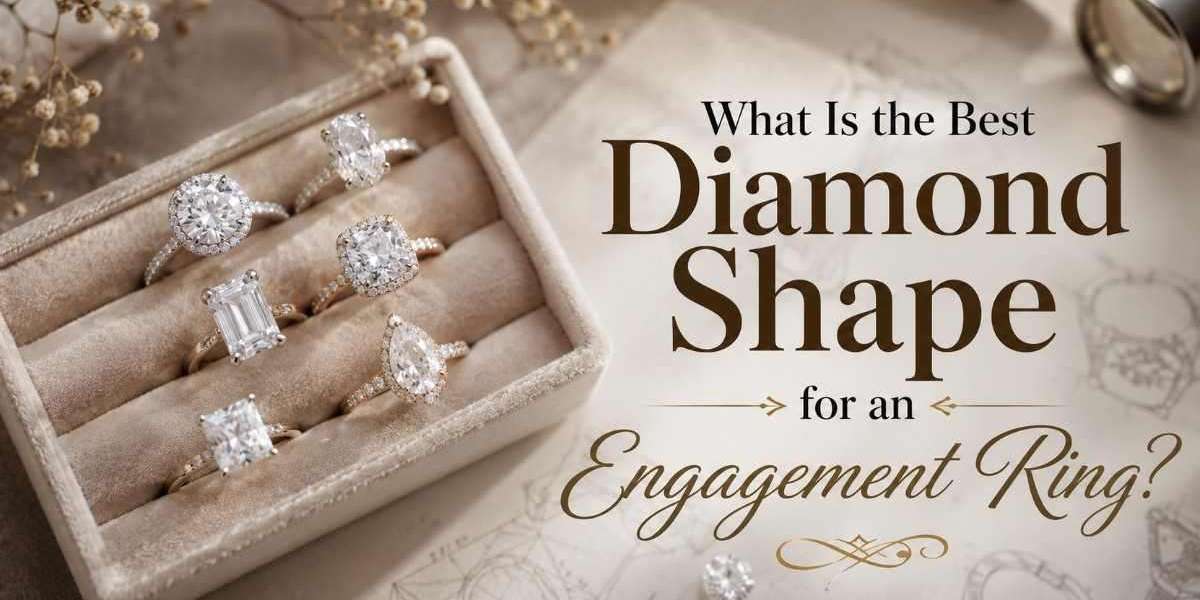
There's no single best diamond shape, and anyone who tells you otherwise is selling something. What actually exists is the best shape for you, based on how you want the ring to look, how it fits your hand, your budget, and honestly, how it makes you feel when you look down at it. That said, understanding what each shape actually offers makes that decision far easier than staring at ten similar-looking product photos and guessing.
This guide breaks down the major diamond shapes used in engagement rings, what makes each one distinct, and how to think through which one actually fits what you're looking for.
Round Brilliant: The Classic for a Reason
Round diamonds account for the majority of engagement ring sales, and the reason isn't just tradition. The round brilliant cut is specifically engineered to maximize light return, which means it consistently delivers the most brilliance and fire of any shape, all else being equal.
That performance comes at a cost, literally. Round diamonds require more of the original rough stone to be cut away during shaping, which makes them typically the most expensive shape per carat. If maximum sparkle is the priority and budget allows for it, round remains the benchmark every other shape gets compared against.
Oval: Elongating Brilliance with a Twist
Oval diamonds offer nearly the same brilliance as round cuts, since the faceting pattern is closely related, while appearing larger for the same carat weight due to the elongated shape. This makes oval one of the most efficient shapes for buyers who want visual size without a round diamond premium price.
The one thing to watch for is the bowtie effect, a dark shadow that can appear across the center of elongated shapes depending on how the diamond is cut. A well-cut oval minimizes this significantly, so it's worth viewing the specific stone, ideally on video, before committing.
Cushion: A Softer, Vintage-Leaning Choice
Cushion cuts combine a rounded square or rectangular outline with larger facets, producing a softer, slightly more vintage look compared to the crisp brilliance of a round or oval. This shape has grown significantly in popularity over the past decade, particularly for buyers drawn to a warmer, less overtly modern aesthetic.
Cushion cuts show noticeably more variation between individual stones than round diamonds do, since faceting styles vary more within the category. Comparing a few different cushion-cut stones side by side, rather than assuming they're all similar, tends to be worthwhile.
Princess: Brilliance in a Square Silhouette
Princess cuts offer strong brilliance, closer to round diamonds than most other fancy shapes, while presenting in a clean, square silhouette. This combination made princess one of the most popular shapes for a long stretch, particularly appealing to buyers who wanted a modern look without sacrificing sparkle.
Because of its pointed corners, a princess cut requires a setting designed to protect those corners from chipping, which is worth confirming when comparing prong styles across different retailers.
Emerald: Elegant Clarity Over Maximum Sparkle
Emerald cuts use a step-cut faceting pattern rather than the brilliant-cut style used in round, oval, and cushion diamonds. This produces a distinctive hall-of-mirrors effect rather than intense sparkle, prioritizing clarity and elegance over maximum brilliance.
Because step cuts show inclusions more visibly than brilliant cuts do, clarity grade matters more with emerald diamonds than it does with most other shapes. Buyers drawn to a refined, architectural look tend to gravitate toward this shape specifically.
Pear: A Distinctive Point-and-Curve Silhouette
Pear-shaped diamonds combine a rounded end with a single point, creating one of the more distinctive silhouettes available. This shape can also create a subtle elongating effect on the finger, which some buyers specifically seek out.
Like oval diamonds, pear shapes can show a bowtie effect, and symmetry matters significantly here, since even a slight imbalance between the two sides of the stone is more noticeable in a pear cut than in more symmetrical shapes.
Marquise: Maximum Visual Size for the Carat
Marquise diamonds, with their long, pointed oval silhouette, often appear larger than their actual carat weight suggests, making this one of the most visually efficient shapes available for stretching a budget's apparent size.
This shape has moved in and out of trend cycles more than most others, though it's seen renewed interest in recent years as a distinctive alternative to more common round and oval choices.
Radiant and Asscher: Two Underrated Options
Radiant cuts blend brilliant-cut faceting with a squared outline, offering strong sparkle in a more geometric shape than round or oval. Asscher cuts, a close relative of emerald cuts, use a square step-cut pattern that produces a similarly elegant, clarity-focused look in a more compact silhouette.
Both shapes remain relatively less common choices, which appeals to buyers specifically looking for something distinctive without straying too far from familiar, wearable silhouettes.
Heart: The Most Symbolic, and the Most Demanding to Cut
Heart-shaped diamonds carry obvious symbolic weight, which explains their enduring, if niche, popularity. They're also among the most technically demanding shapes to cut well, since achieving symmetrical lobes and a well-defined point requires exceptional skill.
Given this complexity, cut quality matters enormously with heart shapes specifically, more so than with most other shapes, since a poorly cut heart diamond can look noticeably uneven.
How Shape Interacts With Setting Choice
Shape and setting work together, not independently, and this relationship is worth considering as part of the decision. A design like halo rings for women works particularly well with fancy shapes like oval, cushion, or pear, since the surrounding halo echoes and reinforces the center stone's outline, adding visual size on top of an already efficient shape choice.
Simple solitaire settings, on the other hand, tend to highlight a shape's natural silhouette most clearly, which makes them a strong choice for distinctive shapes like emerald or Asscher, where the diamond's own outline is meant to be the focal point.
A Simple Way to Narrow Down Your Choice
- Want maximum brilliance and a timeless look? Round remains the benchmark.
- Want visual size without round's price premium? Oval or marquise stretch a budget furthest.
- Want something soft and slightly vintage? Cushion fits that mood well.
- Want elegance over maximum sparkle? Emerald or Asscher offer that step-cut sophistication.
- Want something distinctive and less common? Pear, radiant, or heart shapes stand apart from typical choices.
Frequently Asked Questions
- What is the most popular diamond shape for engagement rings? AnsRound brilliant remains the most popular shape by a wide margin, largely due to its superior light performance and timeless, classic appearance, though oval has grown significantly in popularity in recent years.
Which diamond shape looks the largest for its carat weight? Marquise and oval shapes tend to appear larger than their actual carat weight due to their elongated silhouettes, making them popular choices for buyers who want to maximize visual size within a set budget.
Is round always the most expensive diamond shape? Generally, yes, per carat, since round diamonds require more of the original rough stone to be cut away during shaping, resulting in more material waste compared to most fancy shapes.
What is the bowtie effect, and which shapes show it? The bowtie effect is a dark shadow that can appear across the center of certain elongated diamond shapes, most commonly oval, marquise, and pear cuts, caused by how light travels through the stone's proportions.
Does diamond shape affect how well a setting works? Yes. Fancy shapes often pair particularly well with halo settings, which echo the stone's outline, while distinctive shapes like emerald or Asscher are often best highlighted with a simple solitaire setting.
The Bottom Line
The best diamond shape for an engagement ring isn't a fixed answer, it's a genuine matter of personal priority. Round delivers maximum brilliance. Oval and marquise stretch visual size. Cushion offers a softer, vintage feel. Emerald and Asscher prioritize elegant clarity over sparkle. Whichever direction you lean, understanding what each shape actually offers, rather than choosing based on popularity alone, leads to a ring you'll genuinely love wearing for decades.