
Introduction
One of the most valuable skills children can develop is the ability to express their thoughts and emotions honestly. While reading, writing, and problem-solving are essential for academic success, emotional communication lays the foundation for healthy relationships, self-confidence, and lifelong resilience. When children learn that it is safe to talk about their feelings, they become better equipped to navigate friendships, family relationships, and future challenges.
Developing honest communication for kids does not happen overnight. Young children often struggle to recognize what they are feeling, let alone explain those emotions to someone else. This is where picture books play an important role. Stories create a safe environment where children can see characters experience fear, sadness, frustration, or joy without feeling personally exposed. As they watch fictional characters overcome emotional obstacles, children begin to understand that their own feelings are normal and worthy of discussion.
Books that encourage emotional openness provide meaningful opportunities for parents, grandparents, teachers, and caregivers to start conversations that might otherwise feel difficult. Rather than asking direct questions that children may resist, adults can explore emotions through the experiences of beloved storybook characters.
Website: https://sharontheauthor.com/
Why Children Sometimes Hide Their Feelings
Children are naturally emotional, yet many hesitate to express what they truly feel. Their silence is rarely intentional dishonesty. More often, it reflects uncertainty, fear, or limited emotional vocabulary.
Fear of Disappointing Adults
Many children want to make the important adults in their lives proud. They often believe they should always appear happy, cooperative, and grateful. If they experience sadness, anger, loneliness, or disappointment, they may worry that sharing those feelings will upset their parents or teachers.
Some children even believe that expressing negative emotions means they are being "bad." Instead of speaking honestly, they hide their struggles behind smiles or quiet behavior.
Stories that model emotional honesty reassure children that expressing difficult feelings is not a sign of weakness or disrespect. Instead, they demonstrate that honesty helps adults understand how to offer support.
Difficulty Identifying Emotions
Young children frequently experience emotions before they have the vocabulary to describe them. A child may say they are angry when they are actually embarrassed. They may act frustrated when they are really anxious or lonely.
Picture books expose children to emotional language in natural, age-appropriate ways. As characters describe their experiences, children gradually learn to identify similar feelings within themselves.
The more emotional vocabulary children acquire, the easier it becomes to communicate openly with trusted adults.
Wanting to Appear "Good"
Children often receive praise for good behavior, kindness, and obedience. While these qualities are valuable, some children begin believing they must hide uncomfortable emotions in order to maintain that image.
Rather than admitting they feel left out, scared, or hurt, they pretend everything is fine.
This emotional masking can prevent adults from recognizing when a child genuinely needs reassurance or guidance.
Books that emphasize authenticity teach children that being honest about emotions is every bit as important as behaving politely.
Lessons from Royal Corgi
Stories become especially powerful when children can emotionally connect with memorable characters.
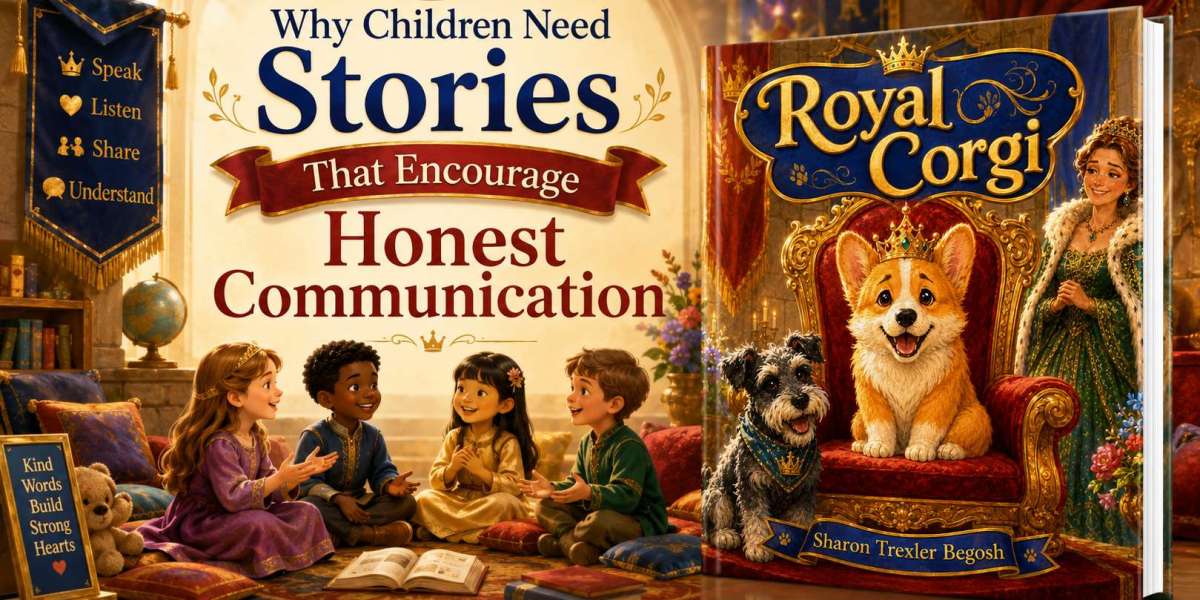
In Royal Corgi, readers meet a lovable royal companion who appears to have everything anyone could want. He behaves perfectly, fulfills his responsibilities, and remains loyal to the Queen. From the outside, his life seems ideal.
Yet beneath his polished appearance, the Corgi quietly carries feelings he does not know how to express.
Like many children, he chooses silence instead of vulnerability. He worries about how others might respond if they knew how he truly felt.
His decision to hide his unhappiness creates emotional distance rather than connection.
The turning point in the story arrives when honest communication replaces silent suffering.
Instead of continuing to pretend everything is fine, the Corgi finally shares his feelings with the Queen.
Rather than reacting with disappointment or anger, the Queen listens with compassion and understanding.
That simple conversation transforms their relationship.
The story beautifully illustrates that honesty often strengthens relationships instead of damaging them. By expressing emotions openly, misunderstandings disappear, trust deepens, and genuine connection becomes possible.
For young readers, this lesson can be incredibly reassuring. They see firsthand that adults who care about them want to understand what they are experiencing.
Helping Children Practice Emotional Honesty
Reading stories about emotional openness is only the beginning. Adults can reinforce these lessons through everyday conversations and supportive habits.
Encourage Daily Conversations
Children communicate more comfortably when conversations become a regular part of family life instead of only happening during difficult moments.
Simple questions like:
- What made you smile today?
- Was anything difficult today?
- Did anything surprise you?
- How did that make you feel?
help children recognize that discussing emotions is a normal part of daily life.
These conversations do not need to be long. Consistency matters far more than length.
Validate Emotions Without Judgment
One of the fastest ways to discourage emotional honesty is by dismissing a child's feelings.
Statements such as:
- "You're fine."
- "Don't be sad."
- "That's nothing to cry about."
may unintentionally teach children that certain emotions are unacceptable.
Instead, adults can acknowledge emotions before offering guidance.
For example:
- "I can see why that hurt your feelings."
- "That sounds frustrating."
- "Thank you for telling me."
Validation does not mean agreeing with every reaction. It simply communicates that feelings deserve respect.
When children feel heard, they become more willing to continue sharing honestly.
Listen Before Solving Problems
Adults naturally want to fix problems quickly.
However, children often need understanding before they need solutions.
If a child shares a disappointment, resist the urge to immediately offer advice.
Instead, ask gentle follow-up questions:
- Can you tell me more?
- What happened next?
- How did that make you feel?
These questions communicate genuine interest while helping children organize their thoughts.
Often, children simply want someone to listen.
When solutions are eventually discussed, children are far more likely to accept guidance because they already feel understood.
Conclusion
Developing honest communication for kids is one of the greatest gifts adults can provide. Children who learn to express their emotions openly build stronger relationships, greater self-awareness, and increased emotional resilience throughout life.
Picture books like The Royal Corgi create safe opportunities for families to explore difficult emotions together. Through relatable characters and compassionate storytelling, children discover that honesty does not weaken relationships—it strengthens them.
When caregivers encourage regular conversations, validate emotions without judgment, and prioritize listening over immediate problem-solving, children gain the confidence to speak openly about both joyful and difficult experiences.
Ultimately, honest communication builds trust, and trust gives children the security they need to grow into emotionally healthy, compassionate, and confident individuals.