Construction is a broad industry that covers many types of projects, but two major categories stand out in both scope and complexity: residential and commercial construction. Whether you're a property owner, a prospective contractor, or simply curious about how construction projects differ, understanding the distinctions between these two types of work is essential. This article breaks down the key differences and what they mean for planning, execution, and outcome.
1. Definition and Purpose
Residential construction refers to building structures intended for people to live in. This includes single-family homes, duplexes, townhouses, and multi-family apartments. The primary goal here is creating functional living spaces that meet safety, comfort, and aesthetic needs.
Commercial construction, on the other hand, encompasses buildings used for business purposes. This might include retail stores, office buildings, restaurants, warehouses, and more. Projects in this category are designed to accommodate operations, customers, employees, and often high volumes of traffic.
2. Scale and Complexity
One of the clearest differences between residential and commercial construction is the scale of the project.
- Residential projects are typically smaller in scale — think a 3-bedroom home or a 20-unit apartment complex. These projects usually involve fewer subcontractors and simpler logistical challenges.
- Commercial construction projects are often much larger and more complex. For example, building a multi-story office tower requires coordination between architects, engineers, city planners, and numerous trades, as well as considerations for elevators, HVAC systems, fire safety, and accessibility standards.
3. Regulations and Codes
Both residential and commercial construction must comply with building codes and safety regulations, but commercial construction generally faces stricter standards.
Residential codes are designed to ensure safety and habitability, focusing on aspects like structural integrity, insulation, and fire safety in homes.
Commercial codes add layers of complexity, including:
- ADA (Americans with Disabilities Act) compliance
- Occupational safety standards
- Specialized fire suppression systems
- Environmental regulations
This often means more inspections, permits, and documentation for commercial projects.
4. Materials and Techniques
The materials and techniques used in these two sectors can vary widely:
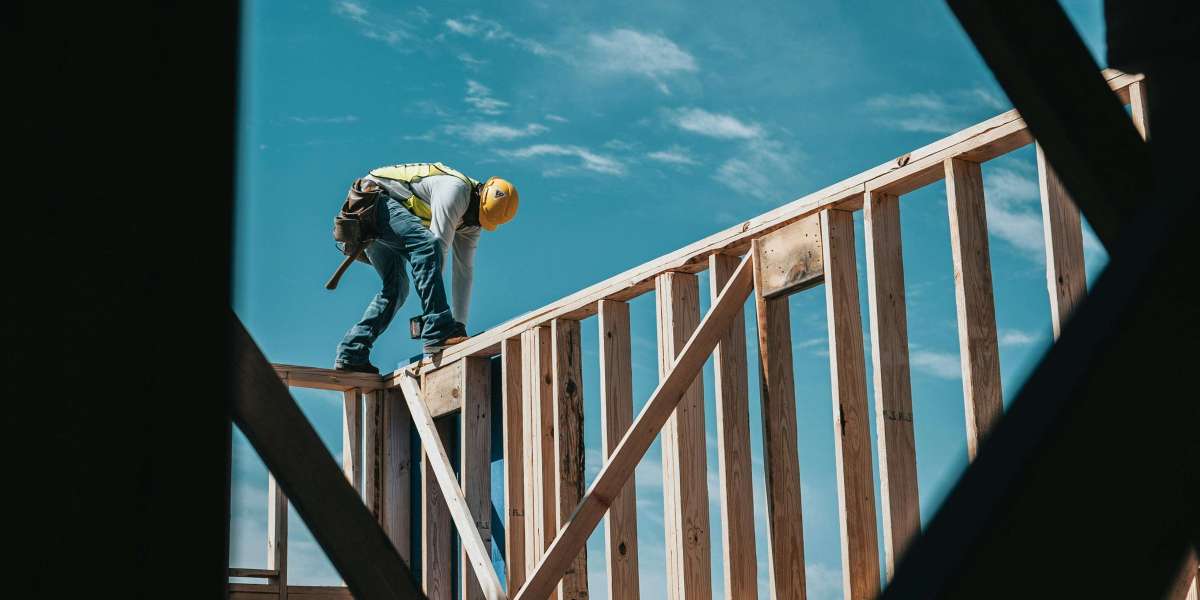
- Residential construction typically uses wood framing, vinyl siding, and standard roofing systems. Aesthetics and homeowner preferences also play a significant role.
- Commercial construction often uses steel frames, concrete, glass curtain walls, and other heavy-duty materials to support larger structures. The design might prioritize durability and efficiency over personal style.
5. Budgeting and Cost Considerations
Budgeting for construction can be complex, and understanding how costs are estimated is crucial for successful project outcomes. In both residential and commercial construction, project teams rely on detailed cost estimation to make informed decisions.
To learn more about the importance of accurate estimation in construction planning, check out this resource on how estimating supports better project planning — it provides valuable insights into how proper estimating influences project success.
Generally, costs in commercial construction are higher due to larger scale, specialized labor, stricter regulations, and advanced building systems.
6. Timeline and Project Duration
Residential projects usually have shorter timelines, often completed within months, depending on size. Home construction may be affected by weather, supply issues, or design changes, but generally moves quickly from foundation to finish.
Commercial projects, by contrast, can take years to complete. Large-scale developments involve lengthy design phases, permitting delays, extensive coordination with stakeholders, and final inspections.
7. Financing Differences
Financing structures differ significantly:
- Residential construction is often funded through personal loans or mortgages taken out by individual homeowners or small investors.
- Commercial projects may involve large-scale financing options such as commercial loans, investor funding, and sometimes public-private partnerships.
These financial requirements influence project feasibility and timelines.
Conclusion
While residential and commercial construction share the basic goal of creating functional buildings, the differences in scale, complexity, regulations, materials, cost, and financing make each unique. Whether you’re planning a new home or a commercial development, knowing these distinctions will help you navigate your project more effectively.
If you’d like help exploring more construction topics or need guidance on specific project questions, I’m here to help!