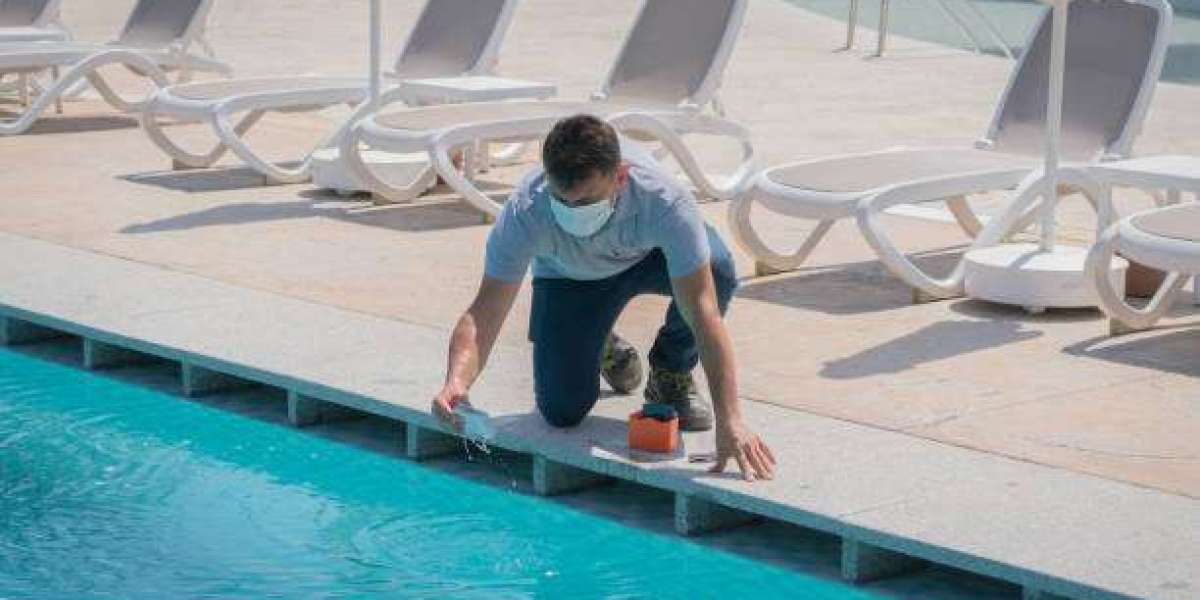
Pools look great in listing photos. Sparkling water, clean tile, nice decking. But a pool that looks fine from the curb can have thousands of dollars in hidden damage sitting just below the surface. I've seen buyers close on a home only to discover a cracked shell, a failing pump, or electrical work that never should have passed code. None of it was obvious. That's exactly why getting Pool Inspection Services in Green Cove Springs FL before you sign anything is one of the smarter moves you can make. Here are five warning signs that tell you something's wrong, even when the water looks clean.
1. The Water Level Keeps Dropping
Some water loss is normal. Hot Florida summers and a lot of splashing will drop a pool's water level a bit. But if you're losing more than a quarter inch per day, that's not evaporation. That's a leak. And leaks can come from two places: the shell itself or the underground plumbing lines, both of which are expensive to fix.
A simple test homeowners use is the bucket test. Fill a bucket with pool water, set it on a step, and mark both the pool level and the bucket level. After 24 hours, compare how much each dropped. If the pool lost significantly more than the bucket, you've got a leak somewhere. Don't let a seller wave this off as "normal." It isn't.
Plumbing leaks under the deck are especially nasty. They can erode the soil around the shell over time, and that movement leads to the cracking and shifting problems we'll cover next. If you notice the pump running more than usual, or the auto-fill valve kicking on constantly, pay attention. Those are quiet signals worth chasing down.
2. Cracks, Stains, and Surface Damage That Goes Beyond Cosmetic
Not every crack is a disaster. Hairline surface cracks in plaster are pretty common and mostly cosmetic. But there's a big difference between a surface scratch and a structural crack that runs through the shell or the bond beam (the reinforced concrete band at the top of the pool wall). One costs a few hundred dollars to patch. The other can cost tens of thousands to repair properly.
Look for cracks that run in a pattern, especially diagonal ones near the corners or along the walls. Staining matters too. Rust-colored stains usually mean the rebar inside the shell is rusting and expanding, which causes the concrete to crack from the inside out. That's a serious structural problem, not a cleaning issue. Also watch for rough, pitted, or flaking plaster. A surface that feels like sandpaper is telling you the finish is near the end of its life, and replastering isn't cheap.
Discoloration around fittings, returns, or the skimmer box can point to slow leaks at those connection points. Worth noting if you see a ring of staining around any fitting that doesn't match the rest of the pool surface.
3. Equipment That Runs but Doesn't Really Work
A pump that hums and a filter that spins don't mean the equipment is actually doing its job. Pool equipment has a lifespan. Pumps usually go 8 to 12 years. Filters need media replacement every few years. Heaters are often the first to fail and the most expensive to replace. If the equipment looks old, sun-faded, and patched together with mismatched parts, that's a flag.
Ask when the equipment was last serviced. Sellers often don't know, which is itself an answer. Check the pump basket for debris buildup and look at the filter pressure gauge. A filter running at high pressure constantly means it's either dirty, undersized, or failing. Low flow at the return jets when the pump is running is another sign something upstream isn't working right.
Improper installation is common in older pools. Homeowners sometimes swap out equipment themselves or hire someone cheap, and the result is plumbing that's too narrow, valves that are backwards, or a pump that's oversized and cavitating. A professional Pool Inspection in Green Cove Springs FL will catch these things because they know what a properly set-up system actually looks like.
4. Deck and Coping Problems You Shouldn't Ignore
The deck and coping (the edging material around the top of the pool) can tell you a lot about what's happening underground. Lifting slabs, uneven surfaces, and gaps between the coping and the pool shell are not just trip hazards. They're signs that the soil underneath has moved, settled, or been eroded by water.
Soil movement around a pool is a big deal. Pools are essentially large vessels sitting in the ground, and when the surrounding soil shifts, the shell can shift with it. That leads to cracking, plumbing stress, and sometimes structural failure if it goes far enough. A deck that's heaved up in one spot and sunken in another is telling you the ground isn't stable.
Separation between the coping and the pool shell is worth a close look too. That gap lets water get behind the bond beam, and in Florida's climate, repeated wet-dry cycles will accelerate the damage fast. All In Home Inspections LLC is one company that specifically checks coping and deck conditions as part of a pool evaluation, which a lot of general home inspectors skip entirely. Don't assume your standard home inspection covers the pool in detail. Most of the time, it doesn't.
5. Electrical and Safety Issues That Create Real Liability
This one matters most. Pool electrical problems can kill someone. That's not an exaggeration. Faulty bonding, missing GFCI protection, and broken or missing drain covers are all legitimate safety hazards that also carry serious legal liability for whoever owns the property.
Bonding is a code requirement. It connects all the metal components around the pool (handrails, ladders, light fixtures, pump housing) to a common ground so that stray electrical current can't build up and shock someone in the water. Older pools often have incomplete or corroded bonding systems. You can't see this with the naked eye, which is exactly why a licensed inspector needs to check it.
GFCI (ground fault circuit interrupter) outlets and breakers are required near any water source. If the pool's electrical panel or nearby outlets don't have GFCI protection, that's a code violation. Broken or missing anti-entrapment drain covers are another serious issue. The U.S. Consumer Product Safety Commission pool safety guidelines specifically address drain entrapment as a drowning risk. These aren't optional upgrades. They're basic safety requirements that should be in place before anyone swims.
A full Pool Inspection in Green Cove Springs FL will include a check of bonding continuity, GFCI presence, and drain cover compliance. If a seller hasn't had the pool inspected recently, assume nothing.
Frequently Asked Questions
How is a pool inspection different from a regular home inspection?
A standard home inspection usually includes a visual look at the pool but doesn't go deep into equipment function, bonding systems, or structural integrity. A dedicated pool inspection is much more thorough. It tests the equipment under load, checks electrical bonding, looks at the shell and plumbing, and evaluates the deck and coping properly.
Can I do a pool inspection myself before making an offer?
You can do a basic visual check. Look for obvious cracks, staining, old equipment, and uneven decking. But honestly, the things that cost the most money are the things you can't see without testing equipment and knowing what to look for. A licensed inspector is worth the cost, especially before a purchase this size.
How much does it cost to fix a pool leak?
It depends on where the leak is. A simple fitting or skimmer leak might run a few hundred dollars. A plumbing leak under the deck can cost $1,500 to $5,000 or more, depending on how deep the line is and how much excavation is needed. Shell cracks are the most expensive to repair correctly.
What is pool bonding and why does it matter?
Bonding connects all the metal parts of a pool to a shared ground wire, which prevents dangerous voltage differences from building up around the water. If bonding is incomplete or corroded, someone swimming or standing near the pool can receive an electric shock. It's a code requirement and a serious safety issue in older pools.
When should I schedule Pool Inspection Services in Green Cove Springs FL?
Schedule it before you remove any contingencies on the purchase, ideally right after your offer is accepted. That gives you time to negotiate repairs or walk away if the problems are too significant. Waiting until after closing means whatever's wrong is now your problem to pay for.