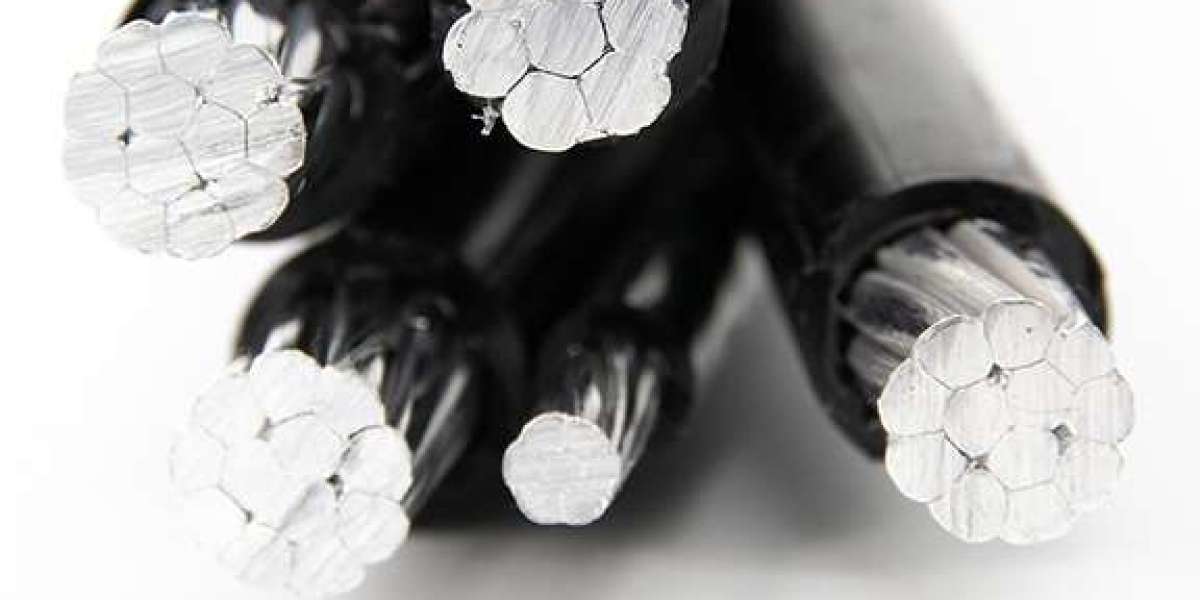
Duplex wire is a type of electrical conductor commonly used when two separate conductors need to be combined into one convenient cable arrangement. It is widely found in electrical installations, appliances, control systems, automotive applications, communication equipment, and various low-voltage electrical projects. Its practical design makes installation and handling easier while keeping related conductors together.
Understanding the construction, applications, materials, and selection process of duplex wire is important for electricians, engineers, manufacturers, contractors, and buyers. Choosing the appropriate wire requires attention to factors such as conductor material, insulation, voltage requirements, current capacity, environmental conditions, and installation method.
What Is Duplex Wire?
Duplex wire generally consists of two insulated conductors joined together in a parallel configuration. The two conductors can often be separated when necessary, depending on the particular construction. Each conductor has its own insulation, helping prevent unwanted contact between the electrical paths.
The insulation surrounding the conductors is typically manufactured from materials designed to withstand the expected electrical and environmental conditions. Depending on the intended application, insulation may need to resist heat, moisture, abrasion, chemicals, or sunlight.
Construction of Duplex Wire
The construction of duplex wire can vary according to its intended use. A typical design includes two conductive cores, with each core individually insulated.
Copper strands may be arranged as a solid conductor or as multiple fine strands. Stranded construction provides greater flexibility and is particularly useful where the wire needs to bend during installation or operation.
The insulation is selected according to the voltage rating, temperature requirements, and surrounding environment. Some duplex wires are designed for indoor applications, while others are manufactured for outdoor or demanding industrial environments.
Manufacturers can also produce duplex wire in different gauges, colors, insulation materials, and overall dimensions to meet specific electrical requirements.
Common Materials Used in Duplex Wire
Copper is one of the most common conductor materials used in duplex wire. Its high conductivity allows electrical current to travel efficiently through the conductor. Copper also offers good flexibility, making it suitable for applications involving repeated movement or bending.
Aluminum is another conductor material used in electrical wiring. It is lighter than copper and can be useful in applications where reducing conductor weight is important.
The insulation material is equally important. Depending on the application, manufacturers may use PVC, polyethylene, thermoplastic compounds, rubber-based materials, or other specialized insulation systems.
The correct combination of conductor and insulation material depends on the intended electrical and environmental conditions.
Types of Duplex Wire
There are several forms of duplex wire available for different applications. The exact classification can depend on conductor material, insulation type, voltage rating, gauge, and industry standards.
Copper Duplex Wire
Copper duplex wire is frequently selected for electrical installations because copper provides high electrical conductivity and good mechanical flexibility. It can be manufactured in different conductor sizes to accommodate various current requirements.
Stranded Duplex Wire
Stranded duplex wire contains multiple small conductor strands instead of a single solid conductor. This construction allows the wire to bend more easily, making it suitable for equipment connections, portable electrical systems, and installations where flexibility is required.
Solid Duplex Wire
Solid duplex wire uses a single conductor within each insulated core. It is generally more rigid than stranded wire and can be suitable for fixed installations where frequent movement is not expected.
Weather-Resistant Duplex Wire
Certain duplex wires are manufactured with insulation intended for outdoor environments. These products can be designed to handle exposure to sunlight, moisture, temperature changes, and other environmental conditions.
Where Is Duplex Wire Used?
Duplex wire has a broad range of applications across residential, commercial, industrial, and specialized electrical environments.
In commercial environments, duplex wire can be used in control circuits, lighting-related systems, equipment connections, and electrical panels where two conductors are required.
Industrial facilities may use duplex wire in machinery, automation equipment, control systems, sensors, and electrical assemblies. The exact wire specification must always correspond with the equipment manufacturer's requirements.
Duplex wire is also used in automotive and recreational applications. Certain battery connections, lighting systems, control circuits, and accessory wiring can use appropriately rated duplex cable.
Duplex Wire for Electrical Projects
Selecting the right Duplex wire for an electrical project requires more than simply choosing a wire based on its appearance or price. The electrical requirements of the project should be evaluated before purchasing or installing the product.
The first consideration is conductor size. Wire gauge determines the approximate electrical capacity of the conductor and should be selected according to the expected current and installation conditions.
Voltage rating is another important consideration. The wire insulation must be rated for the voltage of the electrical system.
Temperature is also relevant. Electrical installations can experience heat from surrounding equipment, sunlight, enclosed spaces, or continuous current flow. A suitable wire should have an appropriate temperature rating.
Environmental exposure should also be considered. Outdoor installations may require insulation designed to withstand ultraviolet radiation, moisture, and temperature changes.
How to Select the Right Duplex Wire
Before purchasing duplex wire, identify the electrical specifications of the project. Determine the required conductor size, voltage rating, temperature range, insulation type, and installation environment.
The length of the cable should also be considered. Longer electrical runs can experience voltage drop, particularly when the conductor size is not appropriate for the electrical load.
It is also important to verify applicable electrical codes and product certifications. Electrical wiring should be selected and installed according to the regulations applicable to the location and type of installation.
Installation Considerations
Proper installation is essential for maintaining the electrical integrity of duplex wire. The cable should be routed carefully to avoid unnecessary mechanical stress, sharp edges, excessive bending, or exposure to unsuitable temperatures.
When stripping insulation, electricians should use appropriate tools and avoid damaging the conductor. Damaged conductors can create unreliable connections and may increase electrical resistance.
Connections should be properly secured using suitable terminals, connectors, or approved joining methods. Loose electrical connections can generate heat and create safety risks.
Where duplex wire passes through openings or areas that could cause abrasion, suitable protective measures should be considered.
Duplex Wire in Modern Electrical Systems
Modern electrical systems increasingly require organized wiring solutions for equipment, controls, sensors, communication systems, and power distribution. Duplex wire provides a practical format when two conductors need to remain together during routing and installation.
Manufacturers continue to develop wire products with different insulation compounds, conductor constructions, and performance specifications to address changing electrical requirements.
For professionals, having access to correctly specified duplex wire can simplify electrical assembly and help maintain consistent installation practices.
Buying Duplex Wire
When purchasing duplex wire, buyers should look beyond the basic cable size and price. Product specifications should clearly identify conductor material, gauge, voltage rating, temperature rating, insulation type, and applicable standards.
For large electrical projects, purchasing wire from an established manufacturer or reliable electrical supplier can help ensure consistent product quality and documentation.
It is also useful to compare product specifications from several suppliers. A professional supplier should be able to provide technical information needed to determine whether a particular wire is suitable for the intended application.
Why Correct Wire Selection Matters
Every electrical system has specific operating requirements. Using an incorrectly sized or incorrectly rated conductor can lead to excessive heating, voltage drop, insulation damage, unreliable operation, or other electrical problems.
For this reason, duplex wire should be selected according to the actual requirements of the circuit rather than simply choosing the most convenient or inexpensive option.
Professional electrical guidance should be obtained when the application involves complex systems, high electrical loads, unfamiliar equipment, or regulatory requirements.
Final Thoughts
Duplex wire provides a practical solution for electrical applications that require two conductors to be routed together. Its availability in different conductor materials, gauges, insulation types, and constructions allows it to serve a wide variety of electrical projects.