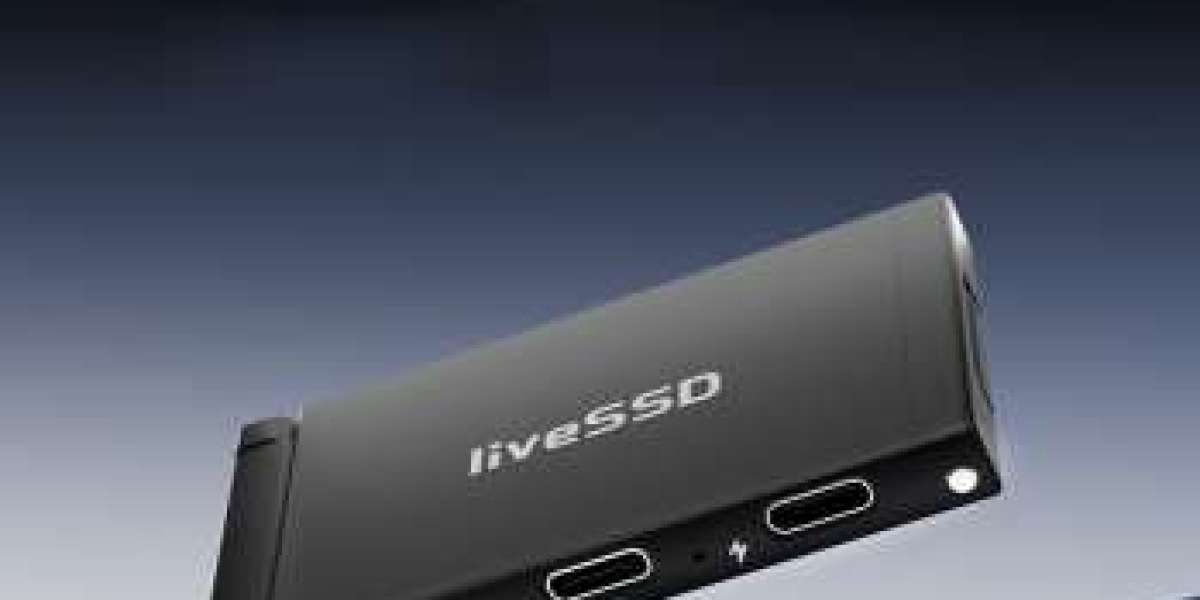
As storage needs grow and devices become more powerful, users are looking for faster, more flexible ways to manage their data. An external SSD (Solid State Drive) has become one of the best storage solutions for both External SSD for Phone and Laptop, offering high speed, portability, and reliability. Whether you’re a professional, student, or content creator, an external SSD can simplify how you store, transfer, and access your files across devices.
What Is an External SSD?
An external SSD is a portable storage device that uses solid-state memory instead of traditional spinning disks. Unlike hard drives, SSDs have no moving parts, which makes them faster, quieter, and more durable. External SSDs connect to devices using interfaces such as USB-C, USB 3.2, or Thunderbolt, allowing quick data transfer between phones, laptops, and other compatible devices.
Why Use an External SSD with Both Phone and Laptop?
Modern smartphones capture high-resolution photos and 4K videos that quickly fill internal storage. Laptops, on the other hand, often have limited onboard storage, especially ultrabooks. An external SSD solves both problems by acting as a shared storage hub.
With one device, you can:
- Move files seamlessly between phone and laptop
- Free up internal storage on both devices
- Store large media files, backups, and work documents
- Access data anytime without relying on cloud storage
Key Benefits of External SSDs
- High-Speed Performance
External SSDs are significantly faster than traditional external hard drives. They offer quick file transfers, faster backups, and smooth access to large files like videos, software projects, or high-resolution images.
- Wide Compatibility
Most modern external SSDs support USB-C, making them compatible with Android phones, iPhones (with supported formats), Windows laptops, MacBooks, and tablets. Many are plug-and-play, requiring no additional software.
- Portability and Durability
External SSDs are lightweight, compact, and easy to carry. Since they have no mechanical parts, they are more resistant to shock and vibration, making them ideal for travel and mobile use.
- Reliable Data Storage
SSDs are designed for long-term use with consistent performance. They are suitable for storing important documents, media files, and backups without the risk of mechanical failure.
How to Use an External SSD with a Phone
Using an external SSD with a phone is straightforward:
- Ensure your phone supports USB-C or Lightning (with adapter)
- Connect the SSD directly or via an OTG adapter
- Use the built-in file manager or a compatible app to manage files
Many users rely on external SSDs for mobile video recording, photo backups, and transferring files to laptops.
How to Use an External SSD with a Laptop
For laptops, external SSDs can be used for:
- Extra storage space
- Fast backups
- Running applications or virtual machines
- Transferring large files efficiently
Simply plug the SSD into a USB-C or USB-A port, and it will appear as an external drive.
What to Look for When Choosing an External SSD
When selecting an external SSD for phone and laptop use, consider:
- Interface and speed (USB 3.2 or higher)
- Capacity (based on your storage needs)
- Device compatibility
- Build quality and portability
- Data security features, such as encryption
Final Thoughts
An external SSD is a smart investment for anyone who uses both a phone and a laptop. It offers fast performance, flexibility, and secure storage in a compact form. Whether you’re managing work files, backing up personal data, or handling large media content, an external SSD provides a reliable and efficient solution for modern storage needs.
Read More: https://tecsysproductguides.blogspot.com/2026/02/external-ssd-for-phone-and-laptop.html