As organizations generate and manage increasing volumes of data across applications, cloud environments, and business systems, maintaining consistent and reliable master data has become a strategic priority. Master Data Management (MDM) provides enterprises with a structured approach to creating, maintaining, governing, and synchronizing critical business data across fragmented systems and organizational silos.
Master data includes core business entities such as customers, products, suppliers, employees, locations, and other critical records. By establishing a consistent and authoritative view of these entities, MDM solutions help organizations eliminate duplicate records, improve data quality, strengthen governance, and enable faster, data-driven decision-making.
Master Data Management Market: Key Trends
The Master Data Management market is evolving as enterprises prioritize trusted data for digital transformation, analytics, artificial intelligence, and regulatory compliance. Several trends are influencing the adoption of modern MDM platforms.
AI-Driven Master Data Management
Artificial intelligence and machine learning are increasingly being incorporated into MDM platforms to automate data matching, classification, enrichment, anomaly detection, and data quality processes. AI-driven capabilities can reduce manual intervention while improving the accuracy and completeness of master records.
Growing Importance of Data Quality
Reliable master data is essential for analytics, reporting, operational processes, and AI initiatives. Organizations are therefore placing greater emphasis on data quality capabilities such as deduplication, validation, enrichment, standardization, and continuous monitoring.
Cloud and Multidomain MDM
The migration of enterprise applications to cloud environments is driving demand for scalable and flexible MDM solutions. Modern platforms increasingly support multidomain master data management across customer, product, supplier, employee, and other business domains while integrating data from cloud and on-premises systems.
MDM and Regulatory Compliance
Data privacy and regulatory requirements are increasing the need for stronger governance and transparency. MDM platforms can help organizations establish ownership, policies, data definitions, and controls that support compliance initiatives while improving the overall trustworthiness of enterprise information.
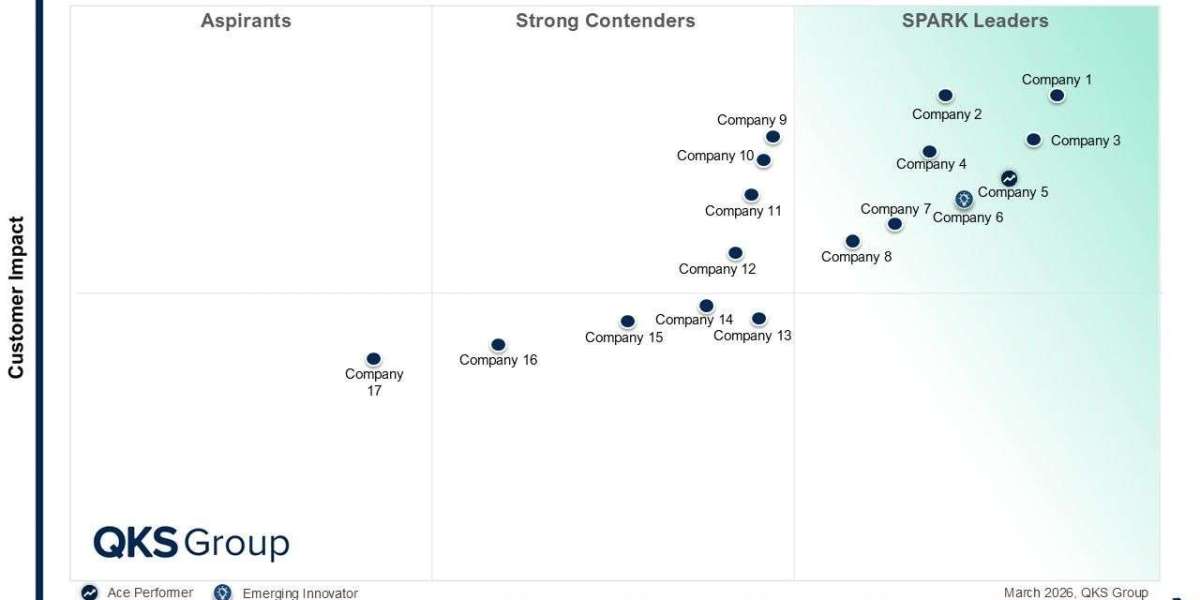
QKS Group SPARK Matrix™: Master Data Management
QKS Group’s Master Data Management market research provides a comprehensive analysis of the global market, including emerging technology trends, market dynamics, competitive developments, and future market outlook.
The study includes detailed competition analysis and vendor evaluation using the proprietary SPARK Matrix™ methodology. The SPARK Matrix ranks and positions leading MDM vendors based on their capabilities and competitive differentiation, providing technology buyers with strategic insights to evaluate solutions and understand the competitive landscape.
The SPARK Matrix includes analysis of vendors such as Ataccama, IBM, insightsoftware, PiLog Group, Pimcore, Precisely, Profisee, Prospecta Software, Reltio, Salesforce (Informatica), SAP, Semarchy, Stibo Systems, Syndigo, Syniti by Capgemini, Tamr, and TIBCO Software.
Why Master Data Management Matters for Enterprises
Disconnected business systems can create duplicate, incomplete, and inconsistent records that negatively affect operational efficiency and decision-making. For example, different systems may contain multiple versions of the same customer or product record, making it difficult for organizations to establish a reliable enterprise-wide view.
Master Data Management solutions address these challenges by creating and maintaining a trusted “golden record” for critical business entities. Through capabilities such as deduplication, matching, enrichment, governance, synchronization, and integration, MDM platforms help organizations establish consistent data across applications and business processes.
Expert Perspective on Master Data Management
According Principal Analyst at QKS Group, MDM platforms are specialized solutions designed to create, maintain, and synchronize a single authoritative view of critical enterprise data across disparate systems and silos.
The relevance of MDM is increasing alongside AI-driven analytics, digital transformation, and regulatory compliance. High-quality master data provides an important foundation for personalized customer experiences, predictive insights, supply chain optimization, and trustworthy AI models. For Chief Data Officers and data leaders managing complex data landscapes, MDM can therefore contribute to improved efficiency, reduced costs, and stronger business outcomes.
Future Outlook of the Master Data Management Market
The future of the Master Data Management market will be shaped by AI-driven automation, cloud adoption, multidomain data management, real-time data synchronization, and increasingly integrated data governance capabilities.
As organizations operationalize AI and analytics, the importance of trusted master data will continue to grow. MDM platforms are expected to evolve beyond traditional record management toward intelligent data management capabilities that can continuously identify, enrich, govern, and synchronize critical enterprise information.
Conclusion
Master Data Management has become a strategic capability for organizations seeking to establish trusted and consistent enterprise data. By creating authoritative master records and improving data quality, governance, integration, and synchronization, MDM platforms help enterprises overcome fragmented data environments and make better business decisions.
QKS Group’s SPARK Matrix™: Master Data Management provides valuable insights into market trends, vendor capabilities, competitive differentiation, and technology developments, helping enterprises evaluate leading MDM vendors and select solutions aligned with their data management and transformation objectives.