What is a Data Center and Why is it Important?
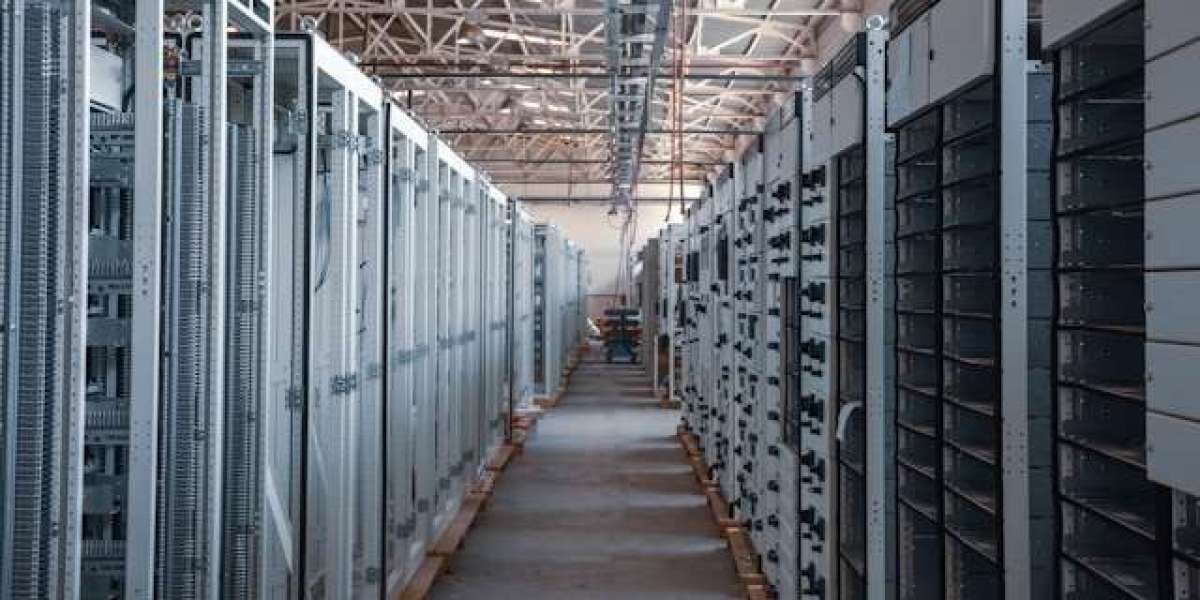
When most people think of a Data Center, they envision a room full of blinking lights, endless cables, and huge servers. But a Data Center is much more than that. A Data Center is a facility that houses a business's most important apps and data, ensuring they are safe and accessible at all times.
Data Centers are constructed with backup power supplies, multiple redundant data pathways, climate control systems, and tight security to protect against fire and other emergencies. All of this is built for one reason: to avoid downtime. Businesses depend on Data Centers to store, process, and protect massive amounts of data. They also keep web apps and other data safe from unauthorized access or loss.
Digital demand is rising globally, leading to more investment in this critical infrastructure. Data from GMI Research predicts that investment in Latin America data center construction will reach $13.4 billion by 2032.
Who Owns and Uses Data Centers
Data centers are used by a variety of different organizations, including businesses, governments, cloud providers, and even schools. Some are small, single-site data centers that serve one organization, while others are huge multi-building facilities that can support millions of users. Data centers can support any of the following: public cloud platforms, private IT environments, hybrid cloud systems, and high-performance computing, depending on the scale of the data center and the users' requirements.
Data Centers of Different Types
Not every data center is the same. Every type of data center is built to serve a different, specific purpose.
Enterprise data centers are data centers owned and operated by a single company. They build and operate their data centers to support their own data and IT systems.
In colocation facilities, businesses can buy racks, power, and cooling from a data center owner. Businesses can keep their own computing hardware in the data center without having to build their own data center. In this case, the customer is responsible for the hardware, but the data center owner is responsible for the data center.
Cloud data centers are operated by cloud service providers such as Microsoft Azure and Amazon Web Services. These data centers operate on a pay-as-you-go model, where businesses can pay to access computing power and storage any time.
Internet exchange points are where Internet service providers can efficiently exchange traffic.
Government data centers are owned by a government agency and support their own internal systems of public sector agencies.
Industry leaders like Google and Meta are developing hyperscale data centers. These are multi-building facilities that manage and store large quantities of data.
An on-premises data center is fully owned and operated by a company, and is located on company premises, rather than being hosted externally by third-party data center providers.
How Data Center Tiers and Reliability Levels Work
Data centers are categorized into four tiers by the Uptime Institute to gauge their uptime, redundancy and overall reliability.
Tier I is the most basic level, featuring only one power source and one cooling pathway, which lack redundancy. These are primarily utilized in smaller scale operations.
Tier II data centers have some redundancy in their systems and achieve about 99.741% uptime, which translates to approximately 22 hours of downtime annually.
Tier III is regarded as high-availability. These facilities have multiple redundant components and achieve 99.982% uptime, which equates to about 1.6 hours of downtime each year.
At the top of the tier system is Tier IV. These data centers have complete system redundancy and provide 99.995% uptime, which equates to only 60 minutes of downtime in a year.
Data center tiers influence a facility’s performance, availability, and operational expense, making it a crucial factor in data center selection.
Components Essential to Data Center Operations
Data centers function due to the integration of many individual systems.
Data center servers are able to handle data storage, data processing, and data application services, and they may come in the form of either sole physical machines, or virtual systems, constructed in clusters.
Data storage systems use hard drives, solid-state drives, tapes, or systems integrated with a cloud to retain data.
Data center networking equipment, including routers and switches.
Power systems, including air conditioning, backup generators, and uninterruptible power supplies, ensure all systems stay operational.
What Data Center Infrastructure Is
Data center infrastructure refers to all the tangible and intangible components that aid in the operation of the data center on a day-to-day basis.
The building housing the data center is constructed to support heavyweight equipment, often with reinforced structures and raised floors. Electrical systems power the equipment, along with layers of backup integrated into the structure. Mechanical systems regulate airflow, and the cooling and humidity to keep the systems within the proper operational parameters.
The above factors contribute to uninterrupted operations even when separate elements fail.
Why Data Centers Are More Important Than Ever
Data centers are the backbone of our digital economy. They are the foundation of every cloud service, online transaction, and digital platform. The more data-driven a business becomes, the greater its need for robust and flexible data center resources.
Data centers are critical for the future of technology and business. Understanding the inner workings of data centers, the different types available, and the various supporting devices makes it easier to appreciate why data centers are such an important investment.