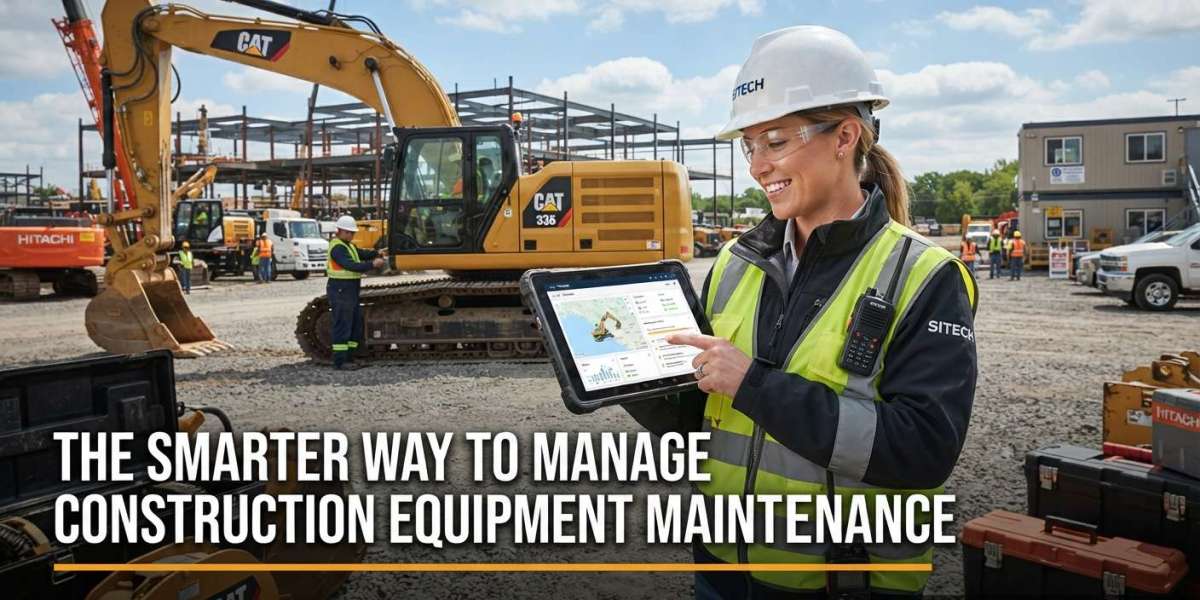
Construction equipment is exposed to demanding working conditions every day. Excavators, loaders, cranes, bulldozers, compactors, generators, skid steers, and other heavy equipment operate for long hours while dealing with dust, vibration, heavy loads, uneven terrain, and changing weather.
Under these conditions, regular maintenance is essential. A small issue that is overlooked today can become a major breakdown tomorrow, potentially affecting workers, project schedules, and operating costs.
For contractors managing equipment across multiple projects, keeping inspections, service schedules, repairs, and maintenance records organized can be challenging. Clue’s construction equipment maintenance software provides a structured way to centralize this information and help maintenance teams stay ahead of equipment problems.
Why Equipment Maintenance Matters
Construction equipment represents a major investment. Keeping machines in reliable condition helps protect that investment while supporting daily productivity.
Poor maintenance management can contribute to:
- Unexpected equipment breakdowns
- Project delays
- Idle crews
- Emergency repair costs
- Replacement equipment rentals
- Unplanned transportation
- Shorter equipment life
A proactive maintenance process helps contractors identify service requirements before they become major operational problems.
Move From Reactive Repairs to Preventive Maintenance
Reactive maintenance focuses on fixing equipment after a failure occurs. Although emergency repairs cannot always be avoided, relying heavily on them can make equipment availability unpredictable.
Preventive maintenance takes a more proactive approach. Service can be scheduled according to:
- Operating hours
- Manufacturer recommendations
- Calendar intervals
- Equipment condition
- Inspection results
- Project usage
This allows contractors to address potential problems before they develop into expensive failures.
Keep Maintenance Schedules Organized
Different equipment often have different maintenance requirements. A generator may require service based on operating hours, while another type of equipment may follow a fixed service schedule. Keeping these requirements organized helps maintenance teams identify:
- Upcoming service
- Overdue maintenance
- Completed inspections
- Open repair tasks
- Equipment awaiting service
- Future maintenance requirements
A centralized system makes it easier to prioritize maintenance and avoid missed service intervals.
Maintain Complete Equipment History
A detailed maintenance history can provide valuable information about individual machines. Records may include:
- Service dates
- Inspection results
- Repair history
- Parts replaced
- Operating hours
- Technician notes
- Equipment condition
- Warranty information
Having this information readily available helps technicians understand what work has already been completed and identify recurring issues. It also provides management with useful information when evaluating equipment performance.
Identify Problems Before They Become Breakdowns
Many major equipment failures begin with smaller warning signs. Examples include:
- Hydraulic leaks
- Unusual engine sounds
- Worn tires or tracks
- Damaged hoses
- Brake problems
- Electrical issues
- Cooling system problems
- Fluid leaks
Routine inspections can help identify these conditions early. Recording inspection results gives maintenance teams an opportunity to prioritize repairs before a minor issue causes extended downtime.
Coordinate Maintenance With Project Schedules
Taking equipment out of service can affect project productivity. A machine scheduled for maintenance may also be required for an important construction activity. This makes coordination essential.
Managers can consider:
- Current project assignments
- Upcoming milestones
- Maintenance due dates
- Available replacement equipment
- Technician availability
- Equipment transfer schedules
Planning service around project requirements can help reduce disruption.
Reduce Unexpected Equipment Downtime
Unexpected breakdowns can quickly become expensive. If an excavator fails during excavation work, crews may be forced to wait for repairs or arrange replacement equipment. If a generator stops operating, other activities may also be affected.
A consistent maintenance process can reduce avoidable downtime by ensuring inspections and service are completed on schedule.
Better equipment availability can contribute to:
- More predictable project schedules
- Improved crew productivity
- Reduced emergency repairs
- Better equipment planning
Improve Repair Planning
Emergency repairs often leave little time for preparation. Contractors may need to arrange technicians, source parts, transport equipment, and find temporary replacements.
Planned repairs provide more time to organize these requirements.
Maintenance teams can:
- Order parts in advance
- Schedule technicians
- Estimate repair duration
- Coordinate equipment transportation
- Arrange alternative equipment when necessary
This can make repair activities more predictable and reduce disruption.
Track Recurring Equipment Problems
Maintenance records can reveal patterns that are difficult to identify when information is scattered. Managers may discover that certain machines experience:
- Frequent repairs
- Repeated component failures
- Increasing maintenance costs
- Longer downtime
- Shorter service intervals
These patterns can indicate that a machine requires additional inspection or that its long-term operating value should be reviewed.
Connect Maintenance With Equipment Availability
Maintenance status is closely connected to equipment management. A machine may be physically located at a jobsite but unavailable because it is under repair or awaiting inspection.
A centralized maintenance system can help identify whether equipment is:
- Ready for work
- Scheduled for service
- Under repair
- Awaiting inspection
- Reserved
- Available for reassignment
This provides project managers with a more accurate understanding of equipment readiness.
Improve Communication With Operators
Equipment operators and site supervisors are often the first people to notice unusual machine behavior. A clear maintenance process allows them to report:
- Performance issues
- Damage
- Warning indicators
- Unusual noises
- Inspection findings
- Repair requirements
When this information is recorded consistently, maintenance teams can respond more effectively and prevent issues from being overlooked.
Improve Parts and Resource Planning
Maintenance efficiency also depends on having necessary replacement parts and resources available. When service requirements are known in advance, teams can prepare items such as:
- Filters
- Belts
- Hoses
- Batteries
- Tires
- Fluids
- Replacement components
Better planning reduces the risk of equipment remaining idle simply because the required part was not available.
Support Equipment Replacement Decisions
Maintenance history can help contractors determine when a machine is becoming too expensive to keep. Managers can review:
- Equipment age
- Repair frequency
- Maintenance costs
- Downtime
- Operating hours
- Utilization
A machine with increasing repair costs and repeated failures may require replacement sooner than equipment with a consistent maintenance record.
This helps businesses make more informed fleet investment decisions.
Improve Equipment Safety
Proper maintenance is also an important part of equipment safety. Poorly maintained equipment may create mechanical or operational hazards. Regular inspections and timely repairs help contractors identify problems before equipment returns to active work.
A structured maintenance process supports:
- Consistent inspections
- Documented repairs
- Better equipment condition awareness
- Timely service
- Improved operational readiness
Standardize Maintenance Across Multiple Jobsites
Large contractors may have equipment distributed across different projects and regions. Without standardized procedures, maintenance records and inspection practices can vary between locations.
A centralized approach can help standardize:
- Inspection procedures
- Service schedules
- Repair documentation
- Maintenance reporting
- Equipment history
- Technician workflows
Consistent processes become increasingly important as equipment fleets grow.
Reduce Administrative Work
Manual maintenance management can require significant time.
Employees may need to update spreadsheets, search paper records, check service dates, and contact different teams for equipment information.
Construction equipment maintenance software can organize this information in a centralized environment, reducing repetitive administrative work.
This allows maintenance personnel to focus more on equipment reliability and less on searching for records.
Long-Term Benefits of Better Maintenance Management
A more organized approach can provide:
- Reduced unexpected downtime
- Improved equipment reliability
- Longer service life
- Better maintenance scheduling
- Lower emergency repair costs
- Improved equipment availability
- Stronger maintenance records
- Better replacement planning
- Improved communication
- Greater protection of equipment investments
Conclusion
Construction equipment maintenance should be proactive rather than focused only on fixing failures after they occur. Regular inspections, preventive servicing, accurate records, and effective communication can help contractors keep machinery reliable and ready for demanding projects.
Construction equipment maintenance software provides a centralized way to manage maintenance schedules, inspections, repairs, service history, and equipment condition.
By organizing maintenance more effectively, contractors can stay ahead of repairs, reduce avoidable downtime, protect valuable machinery, and make better long-term equipment decisions.
A smarter maintenance process ultimately helps construction projects remain productive, predictable, and better prepared for the work ahead.