A lot of people want clearer, healthier skin but stall out before they ever book an appointment. Not because they don't care. Because they have no idea what's actually going to happen once they're lying on that table. What does the provider do first? Does it hurt? How long does it take? If you've been circling the idea of seeing an Esthetician in Greenwood Village CO and just need to understand the process before you commit, this walkthrough is for you. We'll go step by step through a full complexion session so you know exactly what to expect, what each phase feels like, and why every part of it matters.
Step One: The Intake and Consultation
Nothing starts until your provider knows what they're working with. Most sessions kick off with a short consultation, usually five to ten minutes, where the esthetician asks about your skin history, current products, any sensitivities, and what's been bothering you lately. Breakouts? Dryness? Uneven tone? They want specifics. This isn't small talk.
Based on what you share, the provider starts mentally mapping the session. They'll look at your complexion under good lighting, sometimes with a magnifying lamp, before anything touches your face. That initial visual read tells them a lot. Oiliness, dehydration, texture issues, and redness all show up differently, and a trained eye catches things you'd never notice in your bathroom mirror.
Don't hold back during this part. The more honest you are about what you've been putting on your skin, the better the plan they build for you. If you've been using a strong retinoid every night, they need to know that before they pick an exfoliant.
Step Two: Cleansing and Prep
Once the consultation wraps, cleansing comes first. Always. The provider applies a cleanser suited to your complexion type, works it in gently, and removes it thoroughly. Sounds simple. But this step does more than wipe off makeup and sunscreen. It clears the surface so that everything applied afterward actually gets where it needs to go, instead of sitting on top of debris.
Some providers use a second cleanse if your skin has heavier buildup. After cleansing, they'll often apply steam, either from a facial steamer aimed at your face for a few minutes or a warm towel. Steam loosens the material inside pores and softens the surface so the next steps work better. It's one of those things that feels really good and also has a real purpose.
For people who've never had a professional treatment, this part usually feels like the most relaxing stretch of the whole session. Warm. Quiet. No pressure yet. Enjoy it.
Step Three: Analysis and Extractions
This is the part people are most curious about, and honestly, the most nervous about. After steaming, the provider takes a closer look at your pores, usually under magnification. They're deciding what's extractable, what isn't, and where to focus. Not everything gets extracted. Only what's ready to come out cleanly.
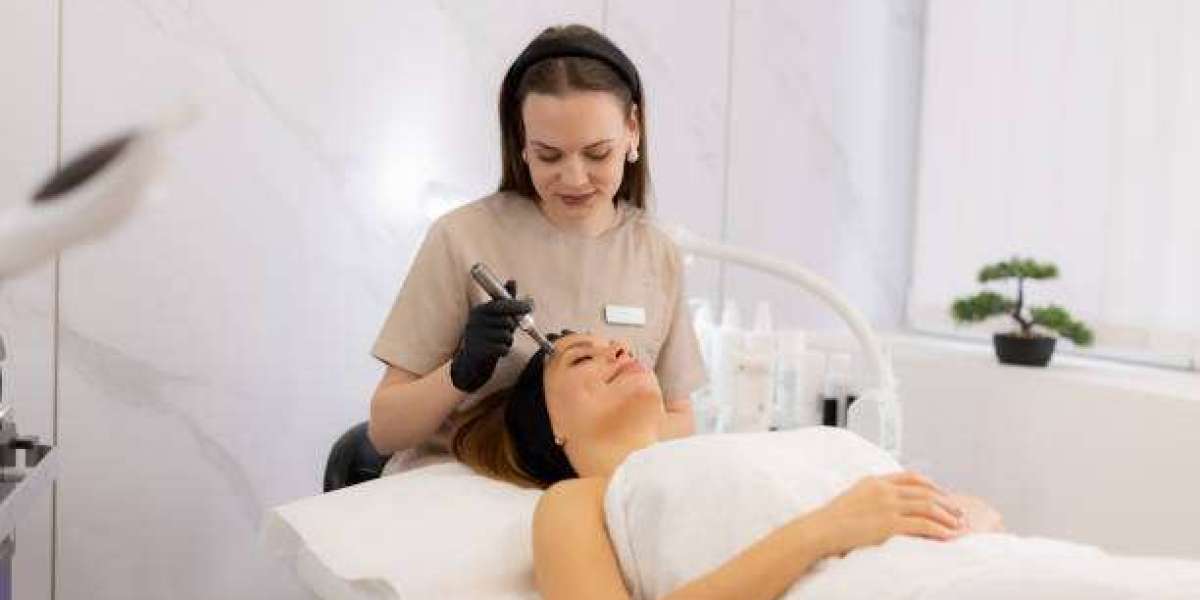
Extractions involve gentle, controlled pressure to clear clogged pores. A good Skincare Esthetician in Greenwood Village CO won't dig around or force anything. If something isn't ready, they leave it. Forced extractions cause damage and inflammation, and a trained provider knows the difference between what's clearable and what needs more sessions to loosen first.
Does it hurt? Sometimes a little. Certain spots on the nose and chin can be tender. But it shouldn't feel like someone is attacking your face. If it does, say something. Most clients find it tolerable, and the results afterward, smoother texture and visibly cleared pores, make it worth the minor discomfort.
According to the FDA's guidance on skin care products, the ingredients and tools used during professional treatments are held to different standards than what you'd find in an over-the-counter product, which is part of why professional extractions are safer than DIY attempts at home.
Step Four: The Treatment Application Phase
This is where things get customized. After extractions, the provider applies the active part of your session. That might be a mask, a serum, an exfoliating solution, or some combination. What they choose depends entirely on what they saw during the consultation and analysis phases. No two sessions look exactly the same.
Masks are common here. Clay masks pull out residual congestion. Hydrating masks flood the skin with moisture after extractions have left it a little raw. Brightening masks target pigmentation. Some providers use high-frequency tools at this stage, which pass a mild electrical current over the skin to calm bacteria and reduce redness. It sounds alarming. It isn't. It feels like a light buzzing sensation, and a lot of clients actually like it.
Studios like All About Skin Inc. often build out this phase based on what your skin showed during the earlier steps, so the treatment shifts depending on what came up rather than following a fixed menu. That kind of responsive approach makes a real difference in results, especially if your complexion doesn't fit neatly into one category.
A Skincare Esthetician in Greenwood Village CO who's paying attention during this phase will also check in with you about how products feel on your skin. Tingling is normal with some exfoliants. Burning isn't. Knowing the difference matters, and good providers ask.
Step Five: Finishing and Aftercare Guidance
The session doesn't end with the last mask. There's a finishing sequence. The provider removes the treatment products, applies a toner or essence if that fits your plan, then layers on a moisturizer and SPF. Those final protective layers matter a lot. Your skin is more open and responsive after a treatment. Sun exposure in the hours right after can cause irritation and pigmentation issues that undo a lot of what the session just accomplished.
Before you leave, the provider will walk you through what to avoid for the next 24 to 48 hours. That window is real. No heavy sweating, no harsh active ingredients like strong acids or retinoids, no picking at anything that might have come to the surface after extractions. Some mild redness or purging is normal. It passes.
They'll also usually give you product recommendations, not a hard sell, just notes on what would support your complexion between sessions. You don't have to buy anything. But it's worth listening, because what you do at home between appointments is what actually holds the results.
An Esthetician in Greenwood Village CO will also tell you roughly how many sessions they'd recommend based on what they saw. One treatment helps. A series of them, spaced a few weeks apart, tends to produce the kind of lasting change most people are actually after.
Frequently Asked Questions
How long does a full complexion treatment usually take?
Most full sessions run between 60 and 90 minutes. The consultation and extractions take up a good chunk of that time, especially on a first visit when the provider is learning your skin from scratch. Express treatments can be shorter, around 30 to 45 minutes, but they skip some of the deeper steps.
Will my skin look worse before it looks better?
Sometimes, yes. Extractions can leave temporary redness, and some people experience a brief purging period where congestion works its way to the surface over the following days. It's not a bad sign. It usually means the treatment did something. Most people see that resolve within three to five days.
How often should I get a professional complexion treatment?
Most providers recommend once a month for people who are actively working on a skin concern. That timing roughly matches your skin's natural renewal cycle. Once your complexion stabilizes, you can stretch sessions to every six weeks or so and just maintain from there.
Can I wear makeup right after?
Most providers suggest waiting at least a few hours, and ideally until the next day. Your skin is more permeable right after a treatment, and heavy products can clog pores that were just cleared. If you have to go somewhere immediately after, a light mineral SPF is usually fine. Skip the full face of makeup if you can.
What should I tell the esthetician before my first session?
Be honest about everything: the products you use daily, any medications you're on (especially retinoids, antibiotics, or anything that affects your skin), recent sun exposure, and any allergies. The more they know upfront, the safer and more effective your session will be. Nothing you share is too minor to mention.